



🧾 What the Deal Actually Is
India and the European Union (EU) recently agreed in principle on a major Free Trade Agreement (FTA) after many years of negotiations. Official statements call it the “mother of all trade deals.” It cuts import tariffs on many goods exchanged between india and the EU, including european cars, wine, medicines, machinery and more.
Here’s specifically what’s in the automotive part of the deal:
🚗 1. Import Duties on EU Luxury Cars Will Fall Sharply
- Currently, fully imported european cars in india face extremely high import duties — often up to 110 % of their price.
- Under the FTA, these tariffs will be gradually reduced to around 10 % over time — a massive long-term cut.
- In the initial phase (possibly as soon as 2026-27) tariffs won’t drop directly to 10 %, but will go to about 30–40 % and then fall gradually.
- These concessions are quota-based — capped at around 250,000 imported cars per year.
If this all happens, certain european cars — especially high-end luxury or niche models — could cost significantly less for wealthy buyers compared to today’s prices.
🧐 So Why You Might See Lower Prices — But Not Immediately — and Not for All Cars
✔️ Where Price Drops Are Likely
- Fully built imported luxury cars (CBUs) from brands like Audi, Porsche, Lamborghini, Rolls-Royce, and some specialized Mercedes-AMG or bmw M models could see meaningful price drops over time.
- These are cars that are fully built in Europe and then imported to india, instead of ones assembled in India.
⛔ Why Most european Cars Won’t Get Cheaper
Most popular Mercedes, bmw or audi models sold in india are already assembled locally (CKD) — and these already enjoy low duties. That means the FTA doesn’t change their prices.
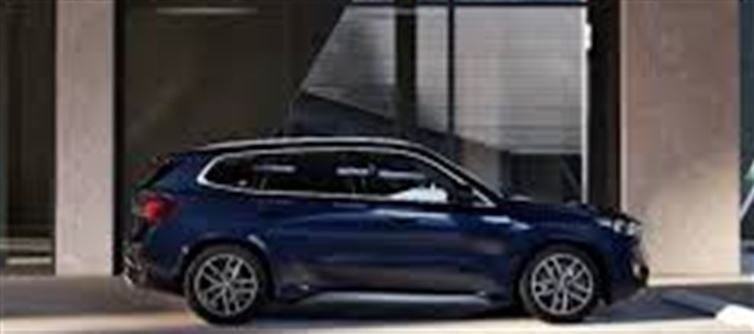
So cars like the BMW X1 or mercedes-benz GLC probably won’t become cheaper under the deal.
Electric vehicles (EVs) are mostly excluded from the tariff benefits in the early years (about five years) to protect domestic EV makers.
Other factors — like GST, additional cess, dealer markups, and local taxes — still apply, so price cuts at the consumer level will be less dramatic than just looking at import duties.
So the short answer is: Yes, luxury cars can become cheaper in india — but only certain imported ones, only over time, and mainly for ultra-premium segments.
📉 How Much Cheaper? (Very Rough Examples)
Analysts suggest that under tariff reductions:
- Import duties could fall from ~110 % → ~40–30 % initially → ~10 % long run.
- That could translate into tens of lakhs in duty savings on very expensive cars — but the final price seen by the buyer would depend on many taxes and costs beyond just customs.
In contrast, mainstream Euro models assembled locally might not see any meaningful price drop from this deal itself.
🕒 Timeline & Implementation
The FTA still needs to be ratified and implemented, which means:
- It likely won’t affect prices in the immediate months after the agreement was signed.
- The tariff cuts are phased in over several years, not in one instant reduction.
So don’t expect overnight blockbuster deals on luxury cars just because of the headline — but gradual reductions could make imported high-end vehicles accessible to more buyers in the long run.
📌 Bottom Line
Will lower-priced luxury cars really come?
✔️ Yes, for select fully imported european luxury models, eventually.
❌ No, not for most popular european vehicles already assembled in India.
📆 And not immediately — the benefits are phased in over several years and under quotas.
If you’re looking to buy a Mercedes, bmw or audi already made in India, the FTA probably won’t make that model cheaper.
If you’re thinking about high-end imports priced far above ₹1 crore, then yes, there’s a real chance they could cost significantly less than today in a few years.
Disclaimer:
The views and opinions expressed in this article are those of the author and do not necessarily reflect the official policy or position of any agency, organization, employer, or company. All information provided is for general informational purposes only. While every effort has been made to ensure accuracy, we make no representations or warranties of any kind, express or implied, about the completeness, reliability, or suitability of the information contained herein. Readers are advised to verify facts and seek professional advice where necessary. Any reliance placed on such information is strictly at the reader’s own risk.
 click and follow Indiaherald WhatsApp channel