


1. No Clutch Pedal — Focus on the Gas and Brake
The most obvious difference when driving an automatic car is that there is no clutch pedal. This means you no longer need to engage the clutch before shifting gears. Instead, you’ll only use the gas pedal (accelerator) and the brake pedal.
- Shifting: In an automatic, your car will handle shifting gears for you based on speed and engine load.
- No more stall risk: Because you don’t need to balance the clutch and accelerator, you won't experience the jerking or stalling that often happens with a manual car.
Tip: Get used to not pressing a clutch. It's easy to instinctively reach for it when you start driving an automatic.
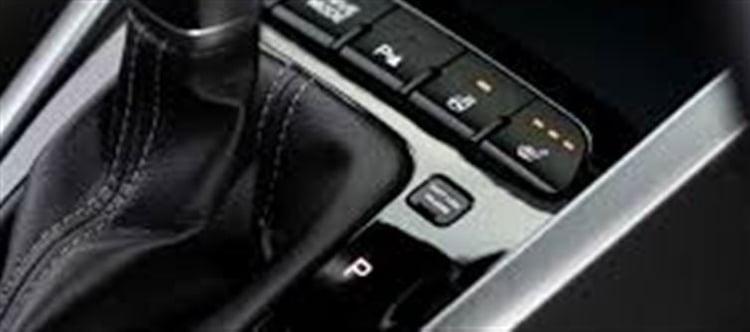
2. Understand the Gear Shifter
While the gear shift in an automatic car may look similar to the manual’s, it serves a different purpose. Most automatics have the following positions:
- P (Park): This is for when you're stationary or parked. It locks the transmission to prevent the car from moving.
- R (Reverse): Used for driving the car backward. Only engage when the car is fully stopped.
- N (Neutral): This is essentially "no gear." Use it when you need to idle, but don't use it while driving.
- D (Drive): For normal forward driving. The car will shift through all the gears automatically.
- S or L (Sport/Low): These modes allow the car to hold lower gears for longer, providing more power for acceleration or driving up hills.
Tip: Don’t shift between P, R, or D unless the car is completely stationary. Doing so while moving can damage the transmission.
3. Learn How to Use the Brake and Gas Pedals Together
Even though you don't need a clutch, the key to smooth automatic driving is proper coordination between the brake and gas pedals. When starting or stopping:
- Starting the car: press the brake before starting the engine. Most automatics require this step for safety.
- Stopping: When coming to a stop, gently apply the brake. Don’t rely solely on engine braking as you would in a manual.
- Accelerating: press the gas pedal to speed up smoothly, and don't worry about shifting gears — the car will do it for you.
Tip: Avoid the temptation to rest your foot on the brake when driving. This can cause unnecessary wear on the braking system.
4. Expect Different Driving Behavior
Since the automatic transmission does the shifting for you, the driving experience will feel different compared to a manual:
- Smooth acceleration: You won't feel the car lurching or jerking as it changes gears.
- Less control over engine revs: With a manual, you control the engine’s power delivery. In an automatic, the car decides when to shift based on its own parameters.
- No need to "gear down" for hills: The car will automatically downshift when needed for climbing or descending hills, making it easier to focus on steering and braking.
Tip: Give the car time to downshift when coming to a stop. If you need to accelerate quickly (e.g., overtaking), tap the gas pedal a little more firmly and the transmission will respond by shifting to a lower gear.
5. Fuel Efficiency May Change
While manual cars traditionally offer slightly better fuel efficiency because you have more control over shifting, modern automatic cars have improved significantly in fuel economy. Many automatics now outperform their manual counterparts in this area, especially with newer CVT (Continuously Variable Transmissions) or dual-clutch automatics.
- Driving habits: The fuel economy difference depends more on your driving style than on whether the car is manual or automatic. Gentle acceleration and maintaining consistent speed are key to better efficiency in either transmission type.
- Eco modes: Many automatic cars come with an Eco mode, which adjusts the transmission and throttle to improve fuel efficiency.
Tip: If fuel economy is important to you, try driving in Eco mode when cruising on highways or in stop-and-go traffic.
Bonus: Be Aware of the Parking Brake
In an automatic car, you still need to engage the parking brake (also known as the handbrake) when parking on an incline, especially if you’re in P (Park) mode. Some newer models have an automatic parking brake, but many older or budget models require manual engagement.
In Conclusion: Enjoy the Ease of Automatic Driving!
Switching to an automatic transmission car may take a little time to adjust to, but the ease of driving without a clutch pedal and gear shifting can make driving more relaxing and less stressful. Focus on using the gas and brake pedals, get familiar with the shifter, and enjoy the smooth ride!
Disclaimer:
The views and opinions expressed in this article are those of the author and do not necessarily reflect the official policy or position of any agency, organization, employer, or company. All information provided is for general informational purposes only. While every effort has been made to ensure accuracy, we make no representations or warranties of any kind, express or implied, about the completeness, reliability, or suitability of the information contained herein. Readers are advised to verify facts and seek professional advice where necessary. Any reliance placed on such information is strictly at the reader’s own risk.
 click and follow Indiaherald WhatsApp channel