
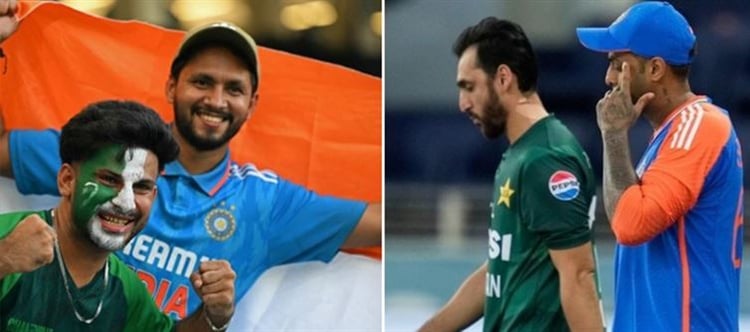


💰🏏 “₹1.5 LAKH FOR A FLIGHT?!” — The india vs pakistan Match That’s Printing Money in Colombo
This isn’t just cricket anymore. It’s commerce. It’s currency. It’s controlled chaos powered by two flags and one fixture.
When the India national cricket team meets the Pakistan national cricket team on february 15 in Colombo during the ICC Men's t20 World Cup, it won’t merely shake the stadium — it will shake airline dashboards, hotel booking engines, advertising markets, and sponsorship spreadsheets.
This is no longer a rivalry.
This is revenue.
💸 1️⃣ The Flight Fare Frenzy — Demand Has Spoken
On a regular day:
Delhi → Colombo airfare: ₹12,000–₹15,000
On february 15?
Prices touching ₹1.5 lakh.
That’s not inflation. That’s impact.
Airlines don’t raise prices out of emotion — they react to demand spikes. And nothing spikes regional travel demand like an India–Pakistan clash on neutral soil.
🏨 2️⃣ Hotels Smelling the Opportunity
Reports suggest:
Even mid-range 2-star and 4-star hotels quote tariffs upwards of ₹1.15 lakh on match day.
That’s not hospitality. That’s high-stakes event pricing.
From budget stays to luxury properties, Colombo’s tourism ecosystem is capitalizing on what is arguably the most commercially powerful fixture in global cricket.
🌍 3️⃣ Why sri lanka Had Everything to Gain
Let’s be honest: hosting an India–Pakistan match is like hosting the financial Super Bowl of cricket.
Ticket sales? Sold out instantly.
Broadcast rights? Premium pricing.
Local tourism? Surging.
Food, transport, merchandise? Multiplied revenue streams.
For sri lanka, still stabilizing economically in recent years, a mega sporting influx like this isn’t just welcome — it’s strategic.
If the fixture didn’t happen, the opportunity cost would have been massive.
📺 4️⃣ ICC’s Commercial Reality
The International cricket Council understands one truth better than anyone:
india vs pakistan drives global viewership like no other bilateral matchup.
Advertising rates peak.
Digital engagement explodes.
Streaming platforms crash under traffic surges.
It’s not favoritism. It’s numbers.
When broadcasters negotiate rights, this single fixture often anchors valuation projections.
🔥 5️⃣ Rivalry or Revenue Engine?
Historically, India–Pakistan was about legacy, politics, emotion, and pride.
Today?
It’s also:
Sponsorship megadeals
Record-breaking ad slots
Hospitality packages sold at premium tiers
Tourism booms for host nations
In modern cricket economics, this fixture is less about bat and ball — and more about balance sheets.
⚖️ 6️⃣ But Let’s Separate Emotion from Economics
Yes, it’s a business phenomenon.
Yes, dollars flow aggressively around it.
Yes, host nations benefit massively.
But that doesn’t automatically mean it’s “only” a business deal.
Sport and commerce have been intertwined for decades — from World Cups to olympics to franchise leagues. High-stakes rivalry plus commercial ecosystem equals explosive financial gravity.
That’s global sport in 2026.
🧠 7️⃣ The Bigger Picture
This isn’t unique to Sri Lanka.
Any neutral venue hosting india vs pakistan would witness:
Airline surges
Hotel spikes
Hospitality markups
Record broadcast numbers
The fixture is an economic catalyst.
Not because administrators force it — but because fans fuel it.
💥 Final Word: More Than a Match — But Not Less Than One
Calling it “just business” misses the pulse. Calling it “just rivalry” ignores the economics.
It’s both.
It’s national pride wrapped inside a billion-rupee commercial machine.
When india and pakistan walk onto that Colombo pitch, emotions will roar — but behind the scenes, so will revenue graphs.
Because in modern cricket, the scoreboard isn’t the only thing that goes up.
 click and follow Indiaherald WhatsApp channel