


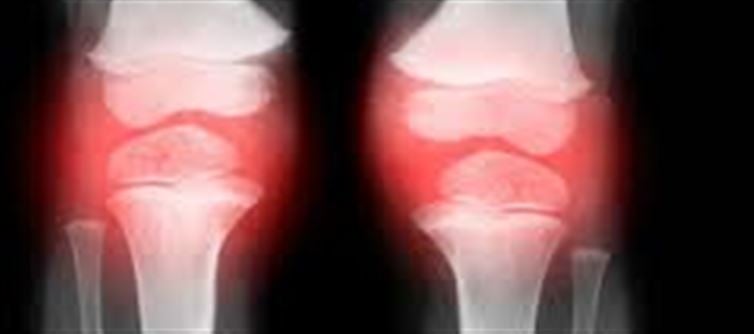

Strong bones are essential for body structure, mobility, and overall health. They not only support physical activity but also help maintain calcium balance, which is vital for muscle function, energy, and dental health. According to Dr. Akhilesh Yadav, understanding the causes of weak bones and taking preventive measures early can significantly improve long-term bone health.
1. Common Causes of Weak Bones
Weak bones, or low bone density, can develop due to several factors:
· Calcium and vitamin D deficiency – vital nutrients for bone strength
· Sedentary lifestyle – lack of weight-bearing exercises weakens bones
· Hormonal imbalances – low estrogen in women or testosterone in men
· Excessive alcohol or smoking – reduces bone formation and healing
· Medical conditions – thyroid disorders, kidney issues, or long-term steroid use
Early detection is key—regular checkups and bone density tests can help identify risk.
2. Nutrition Tips for Strong Bones
A balanced diet is the foundation of healthy bones:
· Calcium-rich foods: milk, yogurt, cheese, leafy greens
· Vitamin D sources: sunlight, fortified milk, fatty fish
· Protein: essential for bone repair and muscle support
· Limit caffeine and processed foods: they may reduce calcium absorption
Tip: Consider supplements only under medical guidance if dietary intake is insufficient.
3. Exercise to Strengthen Bones
Physical activity stimulates bone formation and improves strength:
· Weight-bearing exercises: walking, jogging, dancing
· Resistance training: lifting weights or using resistance bands
· Balance and flexibility: yoga or tai chi to prevent falls
Consistency is key—30 minutes of activity most days can significantly benefit bone health.
4. lifestyle Habits to Protect Bones
Simple daily habits can help maintain bone strength:
· Avoid smoking and excessive alcohol
· Maintain a healthy weight to reduce stress on bones
· Get regular screenings for bone density after age 40
Early lifestyle changes can prevent osteoporosis and fractures later in life.
5. When to See a Doctor
Consult a healthcare professional if you notice:
· Frequent fractures from minor falls
· Back pain or posture changes
· Signs of nutrient deficiency (weak nails, hair loss, muscle cramps)
Your doctor may recommend bone density scans, lab tests, or targeted supplements.
Final Thoughts
Strong bones are the cornerstone of overall health. With proper nutrition, regular exercise, and healthy lifestyle habits, you can significantly reduce the risk of weak bones and related complications. Early awareness and preventive measures make a lifetime of difference.
Disclaimer:
The views and opinions expressed in this article are those of the author and do not necessarily reflect the official policy or position of any agency, organization, employer, or company. All information provided is for general informational purposes only. While every effort has been made to ensure accuracy, we make no representations or warranties of any kind, express or implied, about the completeness, reliability, or suitability of the information contained herein. Readers are advised to verify facts and seek professional advice where necessary. Any reliance placed on such information is strictly at the reader’s own risk.
.jpg)
 click and follow Indiaherald WhatsApp channel