


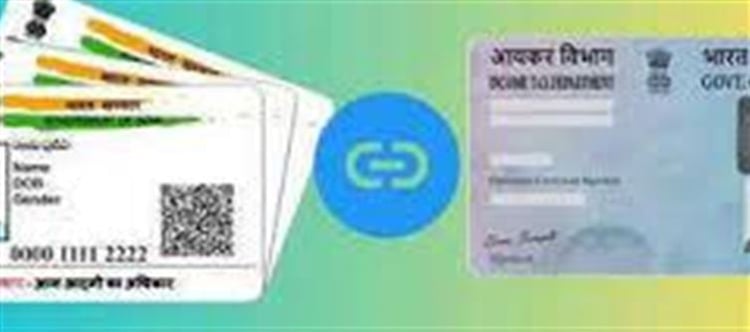

If you hold a PAN (Permanent Account Number) card, it’s crucial to take note of the latest update from the Income Tax Department. Taxpayers are required to link their PAN with their Aadhaar card before december 31, 2025. This deadline is strictly enforced, and failing to complete the process on time may result in your PAN being declared inoperative from january 1, 2026. An inoperative PAN can disrupt important financial transactions, tax filings, and other services linked to the PAN.
Why Linking PAN and Aadhaar is Important:
The PAN-Aadhaar linking initiative is aimed at curbing tax evasion and ensuring that financial records are transparent and properly maintained. Linking your PAN with Aadhaar helps the Income Tax Department verify taxpayer identity and prevents duplicate PANs from being used.
How to Link PAN with Aadhaar:
Online via the Income Tax Portal:
Visit the official Income Tax e-Filing portal.
Go to the “Link Aadhaar” section.
Enter your PAN, Aadhaar number, and name as per Aadhaar.
Submit the details. A confirmation message will appear once the process is successful.
Via SMS:
Send an SMS to 567678 or 56161 in the format:UIDPAN
Example: UIDPAN 123456789012 ABCDE1234F
Correction or Mismatch Issues:
Ensure that your name, date of birth, and gender match exactly on both PAN and Aadhaar.
If there are discrepancies, update your details on Aadhaar or PAN before linking.
Consequences of Missing the Deadline:
Failing to link PAN with Aadhaar by december 31, 2025, will result in your PAN becoming inoperative starting january 1, 2026. This can:
Prevent you from filing income tax returns.
Disrupt financial transactions such as bank account openings, investments, or loans.
Cause delays or rejection in various government and private services requiring PAN verification.
In summary, linking your PAN with Aadhaar before the deadline is essential to avoid disruptions in financial and tax-related activities. The process is simple, can be done online or via SMS, and ensures compliance with government regulations.
Disclaimer:
The views and opinions expressed in this article are those of the author and do not necessarily reflect the official policy or position of any agency, organization, employer, or company. All information provided is for general informational purposes only. While every effort has been made to ensure accuracy, we make no representations or warranties of any kind, express or implied, about the completeness, reliability, or suitability of the information contained herein. Readers are advised to verify facts and seek professional advice where necessary. Any reliance placed on such information is strictly at the reader’s own risk.
 click and follow Indiaherald WhatsApp channel