


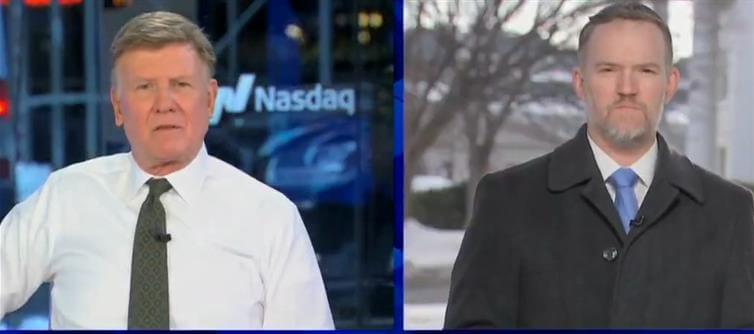

For years, Godi media screamed about “strong leadership” and “tough negotiations.” Then the US trade ambassador said the quiet part out loud—and the entire narrative collapsed in seconds.
The US–India trade agreement, we’re told, is a win-win. Except the US keeps its tariffs, while india slashes its own, down to 18% from much higher levels. America gets cheaper access to India’s massive market. india gets applause, optics, and a bill its exporters will pay.
This isn’t a strategy.
This is weakness dressed up as diplomacy.
🧨 HOW THE DEAL ACTUALLY HITS INDIA
1️⃣ “Opportunity for the US” — Straight From Their Mouth
The US didn’t even bother pretending. Their trade representative openly described the deal as an opportunity for America, because India lowers tariffs on agriculture and multiple products, while the US continues charging tariffs on indian exports. If this were chess, india just sacrificed its queen voluntarily.
2️⃣ Tariffs Down to 18%—But Only on One Side
India reduces tariffs. The US largely doesn’t. That’s not reciprocity. That’s asymmetric liberalisation—the kind developing economies are warned against in economics 101.
3️⃣ Export Sectors Thrown Under the Bus
Based on trade data from India’s Commerce Ministry and economic analyses, the worst hit sectors are exactly the ones that power jobs and MSMEs:
Textiles & Apparel – razor-thin margins, now even thinner
Gems & Jewellery – already struggling with global slowdown
Leather Goods – price-sensitive, labour-heavy
Marine Products (Shrimp) – The US is the biggest buyer, and tariffs kill competitiveness
Engineering Goods (Auto Parts) – squeezed by both tariffs and standards
Chemicals – facing cost disadvantages
Pharmaceuticals – regulatory pressure plus tariff imbalance
These aren’t elite boardroom industries. These are employment engines.
4️⃣ “Mutual Benefit” That Works Only One Way
Funny how “mutual benefit” always means India opens its market while the US “protects domestic interests.” When America does it, it’s called national interest. When india doesn’t, it’s called a lack of confidence.
5️⃣ Godi Media’s Script Just Died on Camera
No primetime outrage. No tickers screaming “India Shortchanged.” Because the propaganda line—Modi negotiates from a position of strength—cannot survive basic arithmetic.
6️⃣ Strong Leaders Don’t Beg for Approval
Strong leaders extract concessions. They don’t celebrate unequal deals. They don’t sell tariff cuts as diplomatic victories while exporters bleed quietly.
7️⃣ This Is What Weakness Looks Like in Policy Form
A truly strong prime minister would have said:
Lower tariffs together—or not at all.
Instead, we got optics, selfies, and another press release pretending surrender is statesmanship.
🧯 THE BOTTOM LINE:
The US didn’t outplay India.
India outplayed itself.
By prioritising optics over leverage, applause over outcomes, and propaganda over protection, Narendra Modi has delivered what may go down as one of the weakest trade outcomes in modern indian history.
America admitted the truth.
Godi media hid it.
Indian exporters will pay for it.
If this is “strong leadership,” india desperately needs a stronger Prime Minister—and fast.
 click and follow Indiaherald WhatsApp channel