


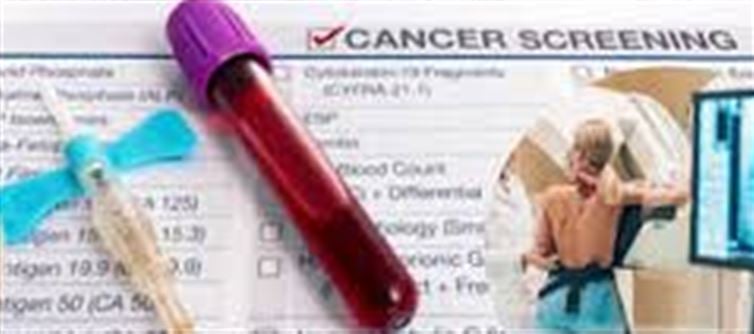

Cancer is a serious health condition, but early detection can significantly increase the chances of successful treatment and recovery. Many cancers don’t show symptoms in the early stages, so undergoing regular health tests is critical for identifying potential issues before they develop into something more serious. Below are 5 routine health tests that can help catch cancer early.
1. Mammogram: Early Detection of Breast Cancer
What It Is:
A mammogram is an X-ray imaging test of the breast used to detect early signs of breast cancer, such as lumps or other abnormalities. It can help identify tumors that may not yet be felt through physical examination.
Why It’s Important:
· Breast cancer is the most common type of cancer among women, and early detection greatly improves survival rates.
· Mammograms are typically recommended for women starting at age 40 and every 1-2 years thereafter, depending on risk factors.
How It Works:
A mammogram involves compressing the breast between two plates to get clear X-ray images. It’s a quick and non-invasive procedure that can detect tiny abnormalities, often years before they become palpable lumps.
What It Can Detect:
· Small tumors (as small as a few millimeters).
· Abnormal masses or changes in breast tissue that may signal early breast cancer.
2. Pap Smear and HPV Test: Early Detection of Cervical Cancer
What It Is:
A Pap smear (or Pap test) is a routine screening for cervical cancer in women. It involves taking a small sample of cells from the cervix to look for any abnormal changes. The HPV (Human Papillomavirus) test, often done at the same time, detects high-risk strains of HPV, which can lead to cervical cancer.
Why It’s Important:
· Cervical cancer is caused by certain strains of HPV, which can remain dormant in the body for years.
· Early detection through a Pap smear can catch precancerous changes in the cervix before they develop into full-blown cancer.
How It Works:
A healthcare provider uses a small brush or spatula to collect cells from the cervix during a routine pelvic exam. The sample is sent to a laboratory for analysis.
What It Can Detect:
· Precancerous changes in cervical cells.
· HPV infection, which may increase the risk of cervical cancer.
When to Get It:
· women should start getting Pap smears at age 21 and continue every 3 years.
· At age 30, women can opt for the Pap smear and HPV co-test, which can be done every 5 years.
3. Colonoscopy: Early Detection of Colon and Rectal Cancer
What It Is:
A colonoscopy is a screening test for colon and rectal cancers, where a long, flexible tube (called a colonoscope) is inserted into the rectum to examine the large intestine (colon) for abnormalities.
Why It’s Important:
· Colon cancer is one of the most preventable cancers, and early detection significantly reduces the risk of advanced cancer.
· A colonoscopy can detect precancerous polyps, which can be removed before they turn into cancer.
How It Works:
A doctor examines the entire colon and rectum using a flexible camera to look for any abnormalities. If polyps or abnormal growths are found, they can be removed during the procedure.
What It Can Detect:
· Polyps (precancerous growths) in the colon or rectum.
· Early-stage colon or rectal cancer before symptoms develop.
When to Get It:
· Individuals at average risk should begin colon cancer screenings at age 45, with repeat screenings every 10 years.
· Those with a family history of colon cancer or other risk factors may need earlier or more frequent screenings.
4. Skin Check: Early Detection of Skin Cancer
What It Is:
A skin check involves examining your skin for any suspicious moles or growths that could be signs of skin cancer. Dermatologists often perform thorough skin exams, and individuals can also do self-checks at home.
Why It’s Important:
· Skin cancer, especially melanoma, is a leading cause of cancer deaths, but when detected early, it is highly treatable.
· Skin checks help identify abnormal moles or spots that may signal early stages of skin cancer.
How It Works:
During a full-body skin examination, a dermatologist looks for changes in the size, shape, or color of moles, birthmarks, or other skin lesions. If anything unusual is found, a biopsy may be performed to confirm the presence of cancer.
What It Can Detect:
· Melanoma, basal cell carcinoma, and squamous cell carcinoma.
· Pre-cancerous skin lesions or moles.
When to Get It:
· It’s recommended to check your skin monthly and consult a dermatologist for an annual full-body skin exam, especially if you have a history of sun exposure or a family history of skin cancer.
5. Blood Tests: Early Detection of Various Cancers
What It Is:
Certain blood tests can help detect markers or proteins that indicate the presence of cancer. While these tests are not definitive, they can provide important clues. Common blood tests include:
· Complete Blood Count (CBC): Can detect abnormal blood cell counts, which may indicate leukemia or other cancers.
· Tumor Marker Tests: Measure substances in the blood that may be produced by cancer cells, such as PSA for prostate cancer or CA-125 for ovarian cancer.
Why It’s Important:
· Blood tests can identify certain markers that are elevated in the presence of cancer, making it possible to catch the disease in its early stages.
· These tests are often used in combination with other screenings to confirm a diagnosis.
How It Works:
A healthcare provider draws a blood sample, which is then analyzed for specific tumor markers or cell abnormalities. These tests are usually done alongside other diagnostic procedures like imaging or biopsies.
What It Can Detect:
· Elevated tumor markers may signal cancer in organs such as the prostate, liver, breast, or ovaries.
· Blood cell irregularities, which may indicate leukemia or lymphoma.
When to Get It:
· Blood tests are typically done when a doctor suspects cancer based on symptoms or a family history.
· Routine screening is not always recommended for the general population, but may be part of a diagnostic workup.
Conclusion: Catching cancer Early Saves Lives
Routine health tests play a crucial role in catching cancer in its earliest stages, when it is most treatable. Regular screenings like mammograms, Pap smears, colonoscopies, skin checks, and blood tests can provide early warning signs and give you the best chance of successful treatment.
It’s essential to follow the recommended screening schedules based on your age, gender, and family history. If you notice any changes in your body or experience symptoms like unexplained weight loss, persistent pain, or skin changes, don’t hesitate to seek medical advice.
Key Takeaways:
· Early detection of cancer through routine health tests increases the chance of successful treatment.
· Regular screenings should be part of your preventive healthcare routine.
· Speak to your doctor about which tests are appropriate for you based on your risk factors and health history.
Stay proactive about your health to catch cancer early and enjoy a healthier, longer life.
Disclaimer:
The views and opinions expressed in this article are those of the author and do not necessarily reflect the official policy or position of any agency, organization, employer, or company. All information provided is for general informational purposes only. While every effort has been made to ensure accuracy, we make no representations or warranties of any kind, express or implied, about the completeness, reliability, or suitability of the information contained herein. Readers are advised to verify facts and seek professional advice where necessary. Any reliance placed on such information is strictly at the reader’s own risk.
 click and follow Indiaherald WhatsApp channel