


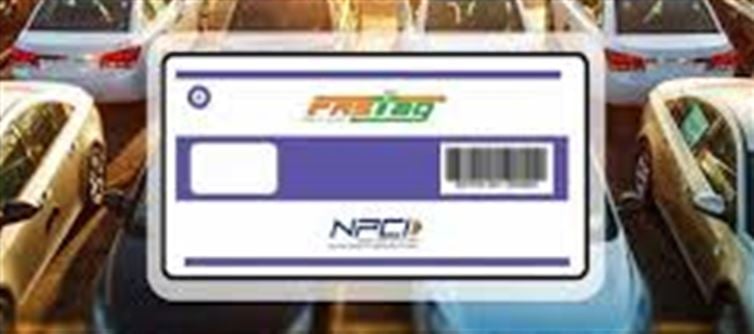

1. What is FASTag?
FASTag is an electronic toll collection system that allows vehicles to pay toll fees without stopping at toll plazas. The tag, which is affixed to the vehicle's windshield, uses Radio Frequency Identification (RFID) technology to automatically deduct the toll amount from the driver’s prepaid account as they pass through a toll booth.
2. Introduction to the KYV (Know Your Vehicle) Relaxation
In a bid to make toll payments more convenient for drivers, especially in light of ongoing digitization efforts, the National Highways Authority of india (NHAI) introduced a relaxation for the KYV (Know Your Vehicle) process when linking FASTags to vehicles.
KYV was originally a requirement to link the FASTag to the vehicle, where the vehicle's details were required to match the data from its registration certificate (RC). However, for many drivers, this process was cumbersome, leading to delays or issues with registration.
3. The New Relaxation: What’s Changed?
Under the new relaxation, drivers will no longer need to submit vehicle registration details in certain cases when getting a FASTag. The relaxation applies particularly to drivers who face difficulties in verifying or linking their vehicle's registration details online.
- Previously, it was mandatory for vehicle owners to submit RC details when purchasing or updating their FASTag.
- Now, the relaxed rules allow drivers to use alternate identification methods for their vehicle.
This flexibility is expected to make the process smoother for both the NHAI and vehicle owners.
4. How Does the KYV Relaxation Make Toll Payments Easier?
The FASTag KYV relaxation directly benefits drivers in multiple ways:
- Faster Issuance of FASTags: Previously, some drivers faced delays in receiving their FASTags due to verification issues related to their vehicle’s registration details. With the new rule, drivers can purchase FASTags quicker, especially those who might have encountered issues with the documentation earlier.
- No Need for Documentation: drivers can now get their FASTags without additional paperwork, which streamlines the process. This reduces the time and effort needed to get the tag, making it easier for all drivers, especially those on the go.
- Improved User Experience: This step aligns with NHAI's goal of improving user experience by reducing friction points in the digital toll payment system. With minimal paperwork, drivers are more likely to embrace FASTag as a convenient option.
5. What Does This Mean for Drivers?
This update is designed to simplify toll payments, offering the following benefits to drivers:
- Seamless Toll Payments: With the FASTag now linked more easily, drivers will experience faster toll processing, ensuring they don't have to stop at toll booths to pay cash. This not only saves time but also reduces congestion at toll plazas.
- No Manual Toll Payments: drivers will be able to enjoy the convenience of electronic toll collection across india, even on highways and remote toll booths. The automatic deduction makes long road trips far easier.
- No Stress About Documentation: Many drivers were concerned about their vehicle details not matching or issues with the registration process. The KYV relaxation reduces the paperwork burden and documentation errors, enabling smooth onboarding for new users.
6. How to Get Your FASTag with the KYV Relaxation?
Getting a FASTag under the new KYV rules is simple and easy:
Visit an authorized FASTag issuer (banks, NHAI, or online platforms).
Provide vehicle identification details (such as the vehicle’s chassis number, if RC details are unavailable).
The tag will be activated instantly, and toll payments can be made from your prepaid account.
Download and link the FASTag to your vehicle through the online platform or app. If necessary, provide minimal documentation as per the new relaxed guidelines.
7. Potential Impact of the Relaxation
This relaxation is likely to bring several positive changes:
- Increased FASTag Adoption: With easier registration processes, more people may consider switching to electronic toll collection, further reducing cash transactions.
- Reduced Traffic Congestion: As the adoption rate of FASTag increases, more vehicles will enjoy automatic toll deductions, thus reducing traffic congestion at toll plazas.
- Efficiency in Collection: The government and toll operators will benefit from the increased usage of electronic tolling systems, leading to better efficiency in toll collection and fewer delays for drivers.
8. Long-Term Benefits for the Highway System
The implementation of FASTag is in line with India’s ambition to modernize its transport infrastructure. The relaxed KYV rule complements other initiatives like:
- Electronic toll collection systems on national highways.
- Integrated vehicle tracking systems for monitoring highway usage.
- Enhanced data analytics to optimize traffic flows and toll collection.
In the long run, this will help in building a more digitized and connected highway network, which is faster, more efficient, and less dependent on manual operations.
Conclusion: A Step Towards a Cashless Future
The FASTag KYV relaxation is a significant move towards simplifying toll payments and encouraging cashless transactions in India. By reducing the paperwork and speeding up the FASTag issuance process, this update will ensure smoother travel for drivers across the country. With the added benefits of less congestion and quicker toll payments, it’s clear that the government is focused on making highways more accessible and efficient for everyone.
Disclaimer:
The views and opinions expressed in this article are those of the author and do not necessarily reflect the official policy or position of any agency, organization, employer, or company. All information provided is for general informational purposes only. While every effort has been made to ensure accuracy, we make no representations or warranties of any kind, express or implied, about the completeness, reliability, or suitability of the information contained herein. Readers are advised to verify facts and seek professional advice where necessary. Any reliance placed on such information is strictly at the reader’s own risk.
 click and follow Indiaherald WhatsApp channel