


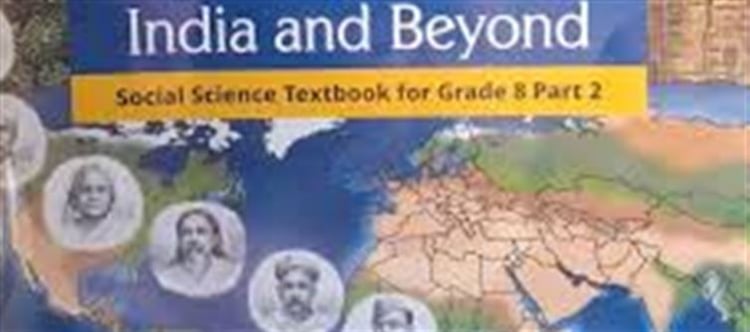

The National Council of Educational Research and Training (NCERT) has released a revised Class 8 Social Science textbook that goes beyond the basics of courts and law — now helping students understand not just what justice is but how the justice system really functions and what challenges it faces.
⚖️ Why This Update Matters
Earlier editions of the Class 8 book focused mainly on:
- The structure of the judiciary (Supreme court, High Courts, subordinate courts)
- The meaning of an independent judiciary
- How people access justice in India
But the updated version adds real‑world context by introducing sections that explore systemic issues affecting justice delivery.
📘 New Topics students Will Learn
🧑⚖️ 1. Corruption in the Judiciary
For the first time, the textbook includes a dedicated section on corruption at various levels of the judicial system — showing how unethical practices can harm public trust in justice and hinder access for weaker sections of society.
This section explains:
- What judicial corruption means
- How judges are supposed to follow a code of conduct
- Formal ways complaints are registered (like through CPGRAMS)
- Constitutional procedures for removing a judge if wrongdoing is proven
- Public concerns about corruption and the need for transparency and accountability
🕰️ 2. Backlog of court Cases
The book includes eye‑opening data on case backlogs in indian courts:
- Around 81,000 cases in the supreme Court
- About 62.4 lakh cases in High Courts
- Nearly 4.70 crore cases in district and subordinate courts
These figures highlight how delays in hearings affect justice delivery — reinforcing the old principle that justice delayed is justice denied.
🧑🔧 3. Shortage of Judges and Structural Challenges
Students are now taught that case backlogs aren’t just numbers — they result from deeper issues such as:
- Insufficient number of judges
- Complicated legal procedures
- Limited infrastructure in courts
This helps young learners see how justice systems function not just in theory but in practice.
🧠 Accountability and Public Trust
The textbook discusses mechanisms that promote judicial accountability — including codes of conduct and complaint systems. It also cites remarks from senior legal figures like a former Chief Justice who said that corruption and misconduct hurt public confidence in the judiciary.
🧩 Beyond the Structure — Real‑Life Civic Awareness
By explaining both how the judiciary is supposed to work and the challenges it faces, the new textbook aims to:
- Make students aware of real issues in the justice system
- Encourage critical thinking about law and society
- Build understanding of why access to justice matters in a democracy
- Help learners connect textbook knowledge with everyday reality
🗣️ Public Reaction and Debate
As expected, the update has sparked discussion. Some experts and commentators have welcomed the deeper civic insight, while others — including senior lawyers — have criticised placing emphasis on judiciary corruption without similar focus on other institutions.
🧠 In Summary
The new NCERT Class 8 Social Science textbook goes beyond basic civics to offer students a fuller picture of justice in India. It:
- Explains the role and structure of courts
- Introduces judicial corruption and accountability
- Highlights systemic challenges like case backlogs and judge shortages
- Encourages young learners to think critically about law, justice, and society
This update reflects an effort to make education more relevant, grounded, and civic‑minded for the next generation.
Disclaimer:
The views and opinions expressed in this article are those of the author and do not necessarily reflect the official policy or position of any agency, organization, employer, or company. All information provided is for general informational purposes only. While every effort has been made to ensure accuracy, we make no representations or warranties of any kind, express or implied, about the completeness, reliability, or suitability of the information contained herein. Readers are advised to verify facts and seek professional advice where necessary. Any reliance placed on such information is strictly at the reader’s own risk.
 click and follow Indiaherald WhatsApp channel