


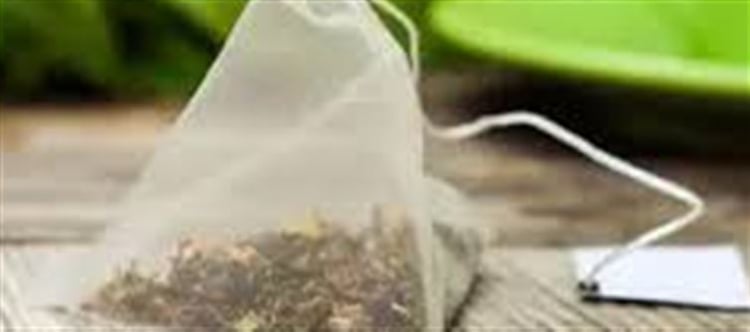

🍵 Introduction: Don’t Toss Those green tea Bags Yet
Most people enjoy green tea for its health benefits, but many throw away the used tea bags without realizing that they still have multiple uses. From skincare to household hacks, used green tea bags are surprisingly versatile.
🌱 1. Natural Fertilizer for Plants
Used green tea bags can be composted or directly added to soil. They are rich in nutrients like nitrogen, which helps plants grow healthier. Simply:
- Let the tea bag dry slightly.
- Cut it open and sprinkle the leaves around your potted plants or garden.
🧴 2. Refresh Tired Eyes
The antioxidants and tannins in green tea help reduce puffiness and dark circles. How to use:
- Chill the used tea bags in the refrigerator for 10–15 minutes.
- Place them on closed eyelids for 10–15 minutes for a soothing effect.
🧹 3. Deodorize Your Home
Green tea leaves can absorb odors naturally. You can:
- Put dried used tea bags in your fridge, shoes, or closets.
- They help eliminate unwanted smells without chemicals.
✨ 4. Skin Care Boost
Used green tea bags can treat minor skin irritations like sunburn or acne:
- Allow the tea bag to cool.
- Dab it on the affected area to soothe redness and irritation.
☕ 5. Culinary Uses
Even after brewing, the tea leaves can still be used:
- Flavor soups or rice: Add dried green tea leaves to your cooking for a subtle aroma.
- Homemade seasoning: Mix crushed tea leaves with salt for a natural seasoning.
🧺 6. Household Cleaning Aid
Green tea’s tannins can help clean wooden surfaces and glass:
- Brew a second weak batch with used tea bags.
- Use it to wipe mirrors, windows, or wooden furniture for a natural shine.
📌 Final Tip: Dry Before Storing
To maximize reuse, dry your used tea bags before storing. This prevents mold and makes them easier to use for any of the above hacks.
💡 Takeaway: Instead of throwing away your green tea bags, give them a second life—your home, skin, and plants will thank you!
Disclaimer:
The views and opinions expressed in this article are those of the author and do not necessarily reflect the official policy or position of any agency, organization, employer, or company. All information provided is for general informational purposes only. While every effort has been made to ensure accuracy, we make no representations or warranties of any kind, express or implied, about the completeness, reliability, or suitability of the information contained herein. Readers are advised to verify facts and seek professional advice where necessary. Any reliance placed on such information is strictly at the reader’s own risk.
 click and follow Indiaherald WhatsApp channel