


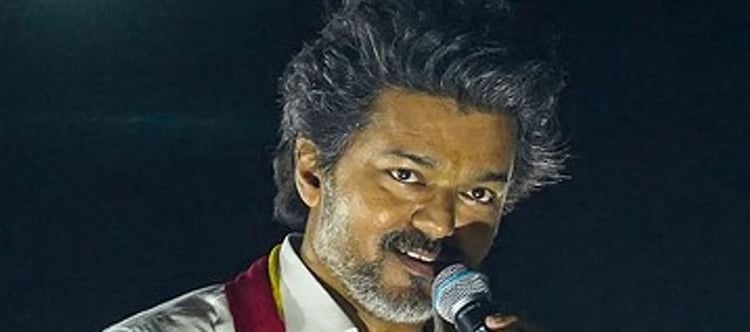

What looked like a straightforward claim of “permission denied” has quickly turned into something far more layered. At the center of the controversy is a campaign request—and the gap between how it was presented publicly and what the official communication actually says.
According to the election authorities, the issue wasn’t a blanket rejection of campaigning. It was about feasibility. The requested venue—Mullai nagar junction, a narrow residential stretch—was simply not designed to handle the kind of gathering proposed. The application reportedly mentioned a crowd of around 3,000 people. In a confined space like that, such numbers raise immediate concerns: traffic gridlock, crowd management challenges, and, most importantly, public safety risks.
That’s where the decision came from.
Officials didn’t shut the door on campaigning itself. In fact, the communication clearly pointed to an alternative: choose a more suitable location, submit a fresh request, and it would be considered. In other words, the restriction was about the place, not the activity.
But here’s where the narrative shifted.
Public messaging framed the situation as a denial—suggesting obstruction, even suppression. The nuance around space constraints, safety considerations, and alternative options was largely left out. And that omission is what’s now fueling criticism.
Because in politics, perception matters as much as facts.
When official documents tell one story and public claims suggest another, questions are bound to follow. Was this a genuine misunderstanding? Or a strategic framing to build sympathy?
That’s the debate now unfolding.
At its core, this isn’t just about one campaign request. It’s about how narratives are shaped, how details are presented, and how easily public opinion can be influenced by what’s included—or left unsaid.
And in the end, the simplest takeaway remains: the issue wasn’t “no campaigning.” It was “not here, not like this.”
 click and follow Indiaherald WhatsApp channel