



Hidden inside Iran’s response to a proposed peace deal is a line so explosive it could outlast the war itself. It’s not about money, sanctions, or rebuilding. It’s about control—total, formal, and permanent.
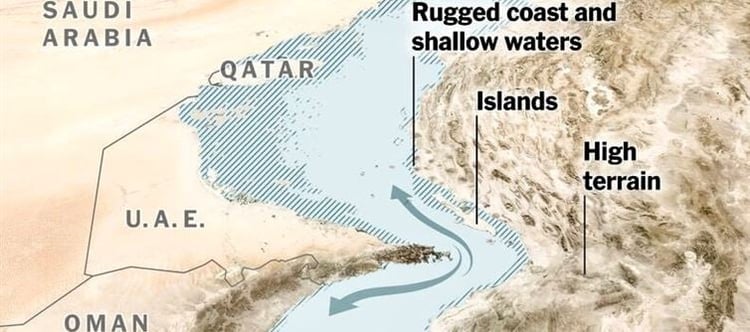
At the heart of Iran’s position is a simple but far-reaching demand: global recognition of its sovereignty over the Strait of Hormuz. This isn’t just another negotiation point. It’s a claim over one of the most critical arteries in the global economy—a narrow passage through which a massive share of the world’s oil, LNG, and even helium flows every single day.
If that demand survives into any ceasefire agreement, the implications are immediate. What’s currently a wartime enforcement mechanism—selective passage, informal tolls, controlled access—could become a legalized, internationally accepted system. Not temporary. Not negotiable. Permanent.
And iran isn’t waiting. Lawmakers are already moving to formalize toll collection, framing it as a natural extension of providing security in the region. From their perspective, control justifies cost. From everyone else’s perspective, it’s a fundamental shift in how global trade routes operate.
Legally, the waters are murky. iran never fully signed on to the global maritime framework that governs transit rights, while other powers insist those rules still apply universally. But here’s the uncomfortable reality: legal arguments don’t matter much when one side physically controls the chokepoint.
History offers a warning. When egypt took control of the Suez Canal in the 1950s, the crisis was short-lived—but the new order lasted generations. Control, once established and normalized, tends to stick.
That’s the real risk now. If this moment hardens into policy, the global system doesn’t just recover—it changes. Quietly, but permanently.
 click and follow Indiaherald WhatsApp channel