


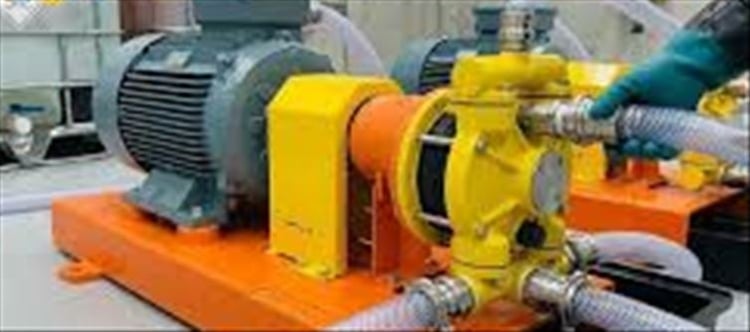

The chemical industry has always been one of the most high-risk industrial sectors, involving toxic substances, high temperatures, and complex reactions. Over the past decade—and especially by 2026—industrial safety standards have undergone a major transformation, making plants safer, smarter, and more environmentally responsible.
⚠️ 1. From Reactive to Preventive Safety
Old approach:
- Investigations after accidents
- Manual inspections
- Reactive fire and spill control
New approach:
Modern systems focus on preventing incidents before they happen.
- Predictive maintenance using sensors
- Real-time leak detection systems
- Automated shutdown protocols
👉 The shift is from “damage control” to risk prevention.
🧠 2. AI and Smart Monitoring Systems
Artificial intelligence is now central to chemical plant safety.
How AI is used:
- Detect abnormal pressure or temperature changes
- Predict equipment failure
- Identify human error patterns
- Monitor hazardous gas levels in real time
AI-based safety platforms are helping reduce downtime and accidents significantly.
🏭 3. Automation Reducing Human Exposure
One of the biggest safety improvements is reducing direct human contact with dangerous processes.
Examples:
- Robotic handling of toxic chemicals
- Automated mixing and transfer systems
- Remote-controlled plant operations
👉 Fewer humans in hazardous zones = fewer accidents.
🧯 4. Stronger Global Safety Standards
International frameworks have become stricter, including:
- Process safety management (PSM) systems
- Hazard and operability studies (HAZOP)
- Environmental compliance rules
- Workplace exposure limits
Companies now face stricter audits and penalties for non-compliance.
🌍 5. Environmental and Sustainability Pressure
Safety is no longer just about workers—it now includes the environment.
New focus areas:
- Reduction of chemical leaks
- Carbon emission control
- Safe waste disposal
- Water contamination prevention
👉 Environmental safety is now part of industrial safety standards.
📡 6. wallet PLATFORM' target='_blank' title='digital-Latest Updates, Photos, Videos are a click away, CLICK NOW'>digital Twins and Simulation Technology
Modern chemical plants use digital twin models:
- Virtual replicas of real plants
- Used to simulate accidents and failures
- Helps train workers safely
- Improves emergency planning
👉 This allows companies to “test disasters” without real-world risk.
🧑🏭 7. Better Training and Workforce Safety
Training has also evolved:
- VR-based safety simulations
- AI-powered training modules
- Real-time wearable monitoring devices
Workers now get continuous safety feedback, not just one-time training.
📊 8. Impact on Chemical Industry
Positive outcomes:
- Fewer industrial accidents
- Improved operational efficiency
- Lower insurance and compliance costs
- Better global competitiveness
Ongoing challenges:
- High cost of advanced systems
- Skill gap in AI-driven safety tools
- Integration with older plants
🧠 Final Takeaway
Industrial safety standards are transforming the chemical industry from a high-risk, manual environment into a smart, automated, and predictive system.
👉 Safety is no longer just a compliance requirement
👉 It is now a technology-driven operational strategy
📌 Simple Summary
- 🧪 Shift from reactive to predictive safety
- 🤖 AI + automation reducing human risk
- 🌍 Stronger environmental safety rules
- 🧠 wallet PLATFORM' target='_blank' title='digital-Latest Updates, Photos, Videos are a click away, CLICK NOW'>digital twins improving planning and training
Disclaimer:
The views and opinions expressed in this article are those of the author and do not necessarily reflect the official policy or position of any agency, organization, employer, or company. All information provided is for general informational purposes only. While every effort has been made to ensure accuracy, we make no representations or warranties of any kind, express or implied, about the completeness, reliability, or suitability of the information contained herein. Readers are advised to verify facts and seek professional advice where necessary. Any reliance placed on such information is strictly at the reader’s own risk.
 click and follow Indiaherald WhatsApp channel