
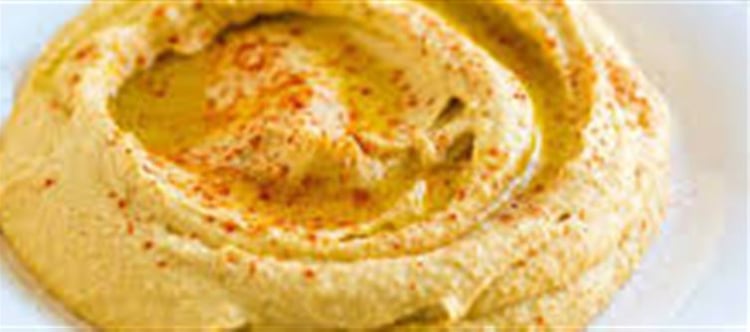


Hummus, a creamy and flavorful Middle Eastern dip, has won hearts worldwide for its versatility, taste, and nutritional value. Made primarily from chickpeas, tahini, olive oil, and fresh lemon juice, hummus is not just a tasty snack—it is packed with protein, fiber, and healthy fats, making it a perfect choice for a wholesome diet.
This article explores a simple, homemade hummus recipe, along with tips to customize it and ideas to enjoy it in various meals.
1. Nutritional Benefits of Hummus
Rich in Protein: Chickpeas provide plant-based protein, supporting muscle health.
High in Fiber: Promotes digestive health and keeps you full longer.
Healthy Fats: Olive oil and tahini supply unsaturated fats for heart health.
Vitamins & Minerals: Packed with folate, magnesium, iron, and vitamin B6.
Low Glycemic Index: Helps maintain blood sugar levels, making it ideal for diabetics.
Hummus is a nutritious snack or meal accompaniment, suitable for all ages.
2. Ingredients Needed
For a classic homemade hummus:
1 cup cooked chickpeas (or 1 can, drained and rinsed)
1/4 cup tahini (sesame seed paste)
2–3 tbsp fresh lemon juice
1–2 cloves garlic, minced
2–3 tbsp olive oil
1/2 tsp ground cumin
Salt to taste
Water or chickpea cooking liquid for desired consistency
Optional garnish: paprika, chopped parsley, whole chickpeas, or a drizzle of olive oil
3. Step-by-Step Preparation
Step 1: Prepare the Chickpeas
If using dried chickpeas, soak overnight and boil until tender.
Remove skins for smoother hummus (optional but recommended).
Step 2: Blend the Ingredients
In a food processor, combine chickpeas, tahini, garlic, lemon juice, olive oil, cumin, and salt.
Blend until smooth, adding water gradually to achieve a creamy, spreadable consistency.
Step 3: Taste and Adjust
Adjust lemon juice, salt, or garlic according to your preference.
For extra creaminess, blend a little longer.
Step 4: Serve and Garnish
Transfer to a serving bowl.
Drizzle with olive oil, sprinkle paprika or fresh parsley, and optionally top with whole chickpeas.
4. Tips for Perfect Homemade Hummus
Use Fresh Ingredients: Fresh lemon juice and garlic enhance flavor.
Add Ice Water: A few tablespoons of ice-cold water while blending makes hummus silky and light.
Peel Chickpeas: Removing skins gives smoother, creamier texture.
Adjust Consistency: Add water or olive oil for thicker or thinner hummus as desired.
Experiment with Flavors: Roasted red pepper, roasted garlic, or herbs can create unique hummus variations.
5. Serving Ideas
As a Dip: Serve with carrot sticks, cucumber slices, bell peppers, or pita bread.
In Sandwiches or Wraps: Spread hummus as a healthy alternative to mayonnaise or butter.
With Salads: Drizzle over roasted vegetables or leafy greens.
Snack Plate: Combine hummus with olives, cheese, and nuts for a Mediterranean-style platter.
Topping: Use as a creamy base for grilled meats or roasted vegetables.
6. Healthier Variations
Spicy Hummus: Add chili flakes or cayenne powder for heat.
Herb Hummus: Blend in cilantro, parsley, or basil for a fresh twist.
Beetroot Hummus: Mix in cooked beetroot for a vibrant color and extra antioxidants.
Avocado Hummus: Combine avocado for creaminess and a nutrient boost.
7. Conclusion
Homemade hummus is a delicious, versatile, and nutrient-rich food that fits seamlessly into a healthy lifestyle. With simple ingredients and a few minutes of preparation, you can enjoy a creamy, flavorful dip that nourishes your body and delights your taste buds.
Whether as a snack, side dish, or meal accompaniment, hummus offers endless possibilities for creativity and health. By mastering this basic recipe, you can customize flavors, textures, and presentation to suit your personal preferences and dietary needs.
Disclaimer:
The views and opinions expressed in this article are those of the author and do not necessarily reflect the official policy or position of any agency, organization, employer, or company. All information provided is for general informational purposes only. While every effort has been made to ensure accuracy, we make no representations or warranties of any kind, express or implied, about the completeness, reliability, or suitability of the information contained herein. Readers are advised to verify facts and seek professional advice where necessary. Any reliance placed on such information is strictly at the reader’s own risk.
 click and follow Indiaherald WhatsApp channel