



India is facing growing worries about liquefied petroleum gas (LPG) supplies as geopolitical tensions in the Middle east — particularly related to iran and the Strait of Hormuz — disrupt global energy flows. This has sparked discussions, speculation and official clarifications on how domestic LPG might be managed if supply pressures persist.
🔹 What’s Driving the Concern?
India depends heavily on imports to meet its LPG demand — around 60% of domestic LPG consumption comes from overseas, with a large share passing through the Strait of Hormuz, a key global fuel shipping route. The ongoing conflict and disruption in shipping through this chokepoint have sharply reduced incoming supplies.
This disruption has already led to observable effects:
- LPG prices have risen in many regions due to tighter supplies.
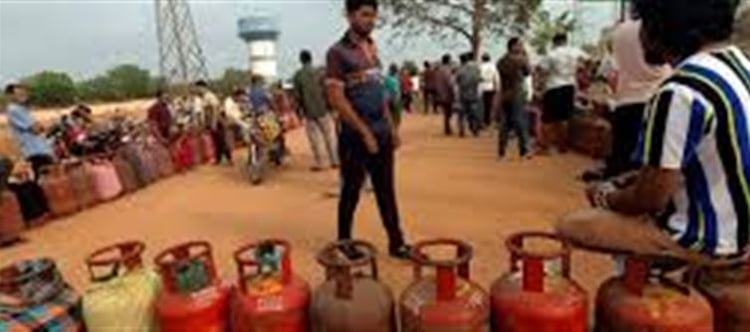
- Long queues and delays in cylinder bookings have been reported in parts of the country.
- Some commercial sectors, like small restaurants and industries, are feeling supply stress as well.
🔹 What Is the 10‑kg Cylinder Proposal?
Due to the current supply tightness, reports emerged that state-run oil marketing companies might consider supplying about 10 kg of LPG in a standard 14.2 kg domestic cylinder rather than the full quantity — essentially rationing the available LPG to serve more consumers.
The idea behind this proposal was to stretch limited stocks, ensuring more households can access cooking gas amid the crunch.
🔹 Government Response: ‘Highly Speculative’
Officials from the Ministry of Petroleum and Natural Gas have described these reports as “highly speculative”. They clarified that no official decision has been taken or approved yet to reduce cylinder quantities.
Despite the speculation, the government continues to manage LPG supplies carefully, prioritising domestic needs and encouraging consumers not to panic.
🔹 Other Mitigating Measures
To address tight imports and manage local supply, authorities and states have taken proactive steps:
- Some regions increased LPG allocations — for example, rajasthan boosted its supply to assure no shortages.
- Domestic production has been ramped up at refineries to help cover gaps caused by import slowdowns.
- The government has urged citizens to avoid panic buying and explore alternatives like piped natural gas (PNG) where feasible.
🔹 What Consumers Should Know
🔸 No official reduction of cylinder size to 10 kg has been ordered yet.
🔸 Reports suggesting such moves remain speculative, though they reflect the severity of supply constraints.
🔸 LPG prices and booking cycles may fluctuate as supply conditions evolve.
🔸 The situation is dynamic — consumers are advised to follow official announcements and avoid misinformation.
🔹 Final Takeaway
The LPG supply situation in india is under pressure due to global geopolitical tensions — especially disruptions around iran and the Strait of Hormuz — which have affected imports and raised prices. This has led to industry discussions about rationing options like a 10 kg cylinder, but the government has not adopted such a measure officially. Authorities are instead managing supplies through increased domestic production, allocation adjustments, and consumer guidance to ensure continuity of service.
Disclaimer:
The views and opinions expressed in this article are those of the author and do not necessarily reflect the official policy or position of any agency, organization, employer, or company. All information provided is for general informational purposes only. While every effort has been made to ensure accuracy, we make no representations or warranties of any kind, express or implied, about the completeness, reliability, or suitability of the information contained herein. Readers are advised to verify facts and seek professional advice where necessary. Any reliance placed on such information is strictly at the reader’s own risk.
 click and follow Indiaherald WhatsApp channel