
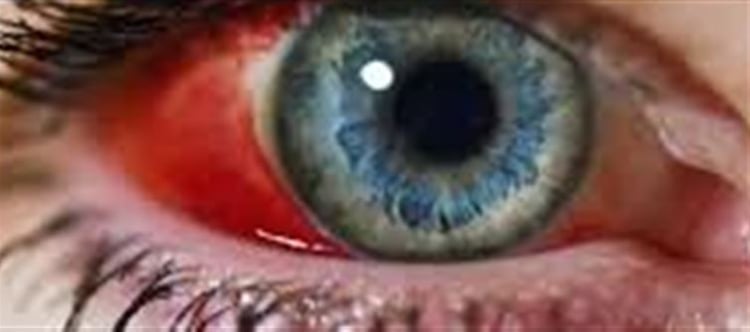


Cancer treatments like chemotherapy and radiation therapy save lives, but they can have unexpected impacts on eye health. While doctors often warn patients about fatigue, nausea, or hair loss, the ocular side effects of these treatments are less commonly discussed. Understanding them is crucial to prevent long-term vision problems.
1. Dry Eyes and Tear Film Dysfunction
How It Happens:
Chemotherapy can damage the lacrimal glands, which produce tears.
Radiation around the head, neck, or eyes can also reduce tear production.
Symptoms:
Persistent dryness or burning sensation
Feeling like there’s grit in the eye
Increased sensitivity to light
Why It Matters:
Chronic dry eyes can lead to corneal damage or infections if untreated.
Lubricating eye drops or punctal plugs may be recommended by ophthalmologists.
2. Cataracts
How It Happens:
Certain chemotherapy drugs, like corticosteroids used alongside treatment, can accelerate lens clouding.
Radiation directed near the eyes can directly damage the lens.
Symptoms:
Gradual blurriness of vision
Glare, halos, or difficulty seeing at night
Why It Matters:
Cataracts may develop years after treatment, requiring surgical intervention to restore vision.
3. Retinal Changes and Vision Loss
How It Happens:
Chemotherapy can affect blood vessels in the retina, causing microvascular damage.
Radiation can induce retinopathy, including swelling and bleeding in the retina.
Symptoms:
Dark spots or floaters in vision
Sudden loss of central or peripheral vision in severe cases
Why It Matters:
Early detection is critical to prevent permanent vision loss. Regular eye exams are recommended during and after treatment.
4. Optic Nerve Damage
How It Happens:
Radiation can sometimes injure the optic nerve, leading to vision changes or loss.
Some chemotherapy agents may increase the risk indirectly by causing vascular or neurological effects.
Symptoms:
Blurred or dim vision
Decreased color perception
Vision loss that may progress slowly
Why It Matters:
Optic nerve damage can be irreversible, making monitoring and early intervention essential.
5. Eyelid and Eye Surface Problems
How It Happens:
Radiation can inflame the eyelids or conjunctiva (the eye surface lining).
Chemotherapy may increase susceptibility to infections, causing redness, swelling, or discharge.
Symptoms:
Swelling, redness, or irritation
Difficulty keeping eyes open due to discomfort
Why It Matters:
Untreated inflammation can lead to scarring or chronic irritation.
6. Increased Light Sensitivity and Vision Fluctuations
Chemotherapy and radiation can alter the eye’s ability to adapt to light, leading to glare sensitivity.
Some patients experience temporary blurry vision or color perception changes during treatment cycles.
7. Rare but Serious Effects
Secondary eye cancers (rarely, radiation can induce malignancy in eye tissues)
Orbital changes causing bulging eyes if radiation affects surrounding tissues
Eye muscle weakness, leading to double vision
Preventive Measures and Management
Regular Eye Exams:
Comprehensive ophthalmic check-ups before, during, and after treatment.
Artificial Tears and Lubricants:
To manage dryness and prevent corneal damage.
Protective Eyewear:
Sunglasses to reduce glare and UV exposure.
Prompt Reporting:
Any new vision changes should be immediately reported to both oncologists and eye specialists.
Medications and Interventions:
Steroid eye drops, surgical correction for cataracts, or treatments for retinal complications if needed.
Key Takeaways
Chemotherapy and radiation can affect nearly every part of the eye, sometimes years after treatment.
Many side effects are silent initially, making regular monitoring essential.
Early recognition and intervention can preserve vision and quality of life for cancer survivors.
Disclaimer:
The views and opinions expressed in this article are those of the author and do not necessarily reflect the official policy or position of any agency, organization, employer, or company. All information provided is for general informational purposes only. While every effort has been made to ensure accuracy, we make no representations or warranties of any kind, express or implied, about the completeness, reliability, or suitability of the information contained herein. Readers are advised to verify facts and seek professional advice where necessary. Any reliance placed on such information is strictly at the reader’s own risk.
 click and follow Indiaherald WhatsApp channel