


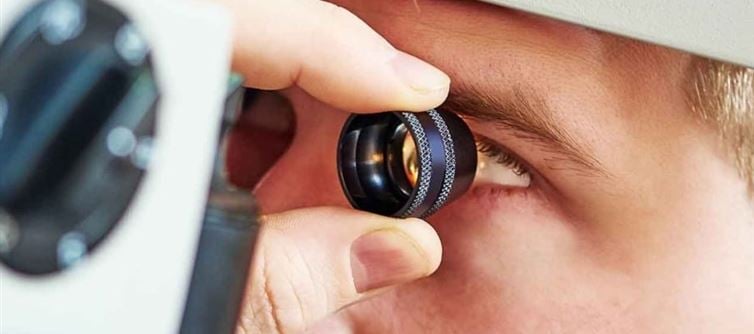

* Changing Trend In Eye Health
Eye problems are now affecting children, teens, and young adults — not just the elderly.
Modern lifestyle factors are accelerating vision issues at earlier ages.
Key contributors include excessive screen exposure, poor diet, lack of sleep, and stress.
Early awareness and preventive care are now essential for all age groups.
* Screen Time And wallet PLATFORM' target='_blank' title='digital-Latest Updates, Photos, Videos are a click away, CLICK NOW'>digital Eye Strain
Long hours on phones, laptops, and tablets cause wallet PLATFORM' target='_blank' title='digital-Latest Updates, Photos, Videos are a click away, CLICK NOW'>digital eye strain.
Common symptoms include dryness, headaches, blurred vision, and a burning sensation.
Reduced blinking while using screens leads to tear film instability.
Prolonged blue-light exposure may stress retinal cells over time.
Children are increasingly developing early nearsightedness due to device overuse.
* Rising Myopia In Youth
Myopia (nearsightedness) cases are increasing rapidly worldwide.
More indoor time and constant near-focus work are major causes.
Outdoor light exposure helps release retinal dopamine that slows eye elongation.
Less outdoor activity means faster myopia progression in kids and teens.
Urban populations show a sharp rise compared to past decades.
High myopia increases the future risk of glaucoma and retinal detachment.
* lifestyle Diseases And Vision
Diabetes at a younger age is leading to early diabetic retinopathy.
Obesity and sedentary habits worsen eye circulation and nerve health.
Smoking increases the risk of early cataracts and optic nerve damage.
Excess UV exposure can harm the lens and retina prematurely.
Poor sleep and chronic stress trigger eye twitching and inflammation.
Conditions like blepharitis and floaters are now more frequently reported.
* Nutrition And Eye Protection
Eyes need antioxidants and healthy fats to resist oxidative stress.
Omega-3 supports tear quality and reduces dryness.
Lutein and zeaxanthin protect against light damage.
Helpful foods include spinach, kale, salmon, eggs, and nuts.
Hydration is vital for stable tear production.
* Simple Daily Prevention Habits
Follow the 20-20-20 rule to reduce strain.
Spend at least 2 hours outdoors daily, especially children.
Use blue-light filters at night.
Maintain proper screen distance and posture.
Get yearly comprehensive eye exams for early detection.
Disclaimer:
The information contained in this article is for general informational purposes only. While we strive to ensure accuracy, we make no warranties or representations of any kind, express or implied, about the completeness, accuracy, reliability, suitability, or availability of the content. Any reliance you place on the information is strictly at your own risk. The views, opinions, or claims expressed in this article are those of the author and do not necessarily reflect the official policy or position of any organization mentioned. We disclaim any liability for any loss or damage arising directly or indirectly from the use of this article.
 click and follow Indiaherald WhatsApp channel