


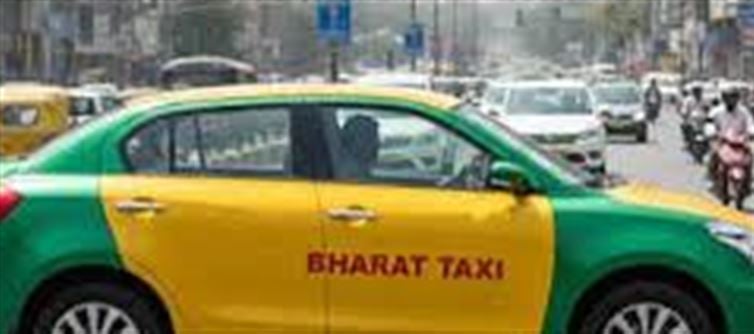

the Bharat Taxi ride‑hailing platform was officially launched in New delhi by Union home and Cooperation minister Amit Shah. It marks the debut of India’s first cooperative‑led taxi service designed to transform the urban mobility landscape by prioritizing drivers and passengers with a fairer, transparent model.
What Is Bharat Taxi?
Bharat Taxi is a driver‑owned, cooperative ride‑hailing platform registered under the Multi‑State Cooperative Societies Act, 2002. Unlike conventional aggregator apps such as Uber, ola or Rapido, this platform is run by Sahakar Taxi Cooperative Limited with support from major cooperative organisations across India.
The service operates on two core principles:
Zero‑Commission — drivers are not charged a percentage cut on rides. Profits are directly distributed among driver members.
Surge‑Free Pricing — fares remain stable with no surge hikes during peak demand, rain, or festivals, offering predictable and transparent costs to riders.
Drivers are called “Sarathis” and are made stakeholders and co‑owners of the cooperative, aligning incentives between workers and the platform itself.
Why It Matters: Addressing industry Pain Points
The ride‑hailing market in india has long been dominated by private firms criticized for:
High commission charges that reduce drivers’ take‑home earnings
Unpredictable surge pricing that inflates fares for passengers
Limited economic security for gig workers
Bharat Taxi aims to flip this model by giving drivers more control over their work and income, while offering riders more affordable and transparent pricing, potentially up to 30 % cheaper than some existing options.
Pilot success and Early Adoption
Before its national launch, Bharat Taxi ran a pilot operation beginning December 2 2025 in Delhi‑NCR and Gujarat’s Saurashtra region, where it onboarded:
Over 3 lakh drivers
More than 1 lakh registered users
10,000+ rides completed daily within the pilot footprint
Reports suggest that close to ₹10 crore has already been directly distributed to drivers as part of the cooperative’s earnings model.
How It Works for drivers and Passengers
For Drivers
No per‑ride commission taken by the platform.
Earnings are directly shared with driver‑members.
Providers receive social security benefits including health insurance, accident cover, retirement savings, and dedicated support services.
Drivers are free to work on other platforms — there are no exclusivity clauses.
For Passengers
Surge‑free pricing ensures predictable costs.
Booking options include cars, bike taxis, and auto‑rickshaws within a single app interface.
Transparent fare breakdowns without hidden charges help users compare costs easily.
Expansion Plans and Future Outlook
Officials have stated that Bharat Taxi will expand across all states and Union Territories within the next few years as it scales operations from its initial pilot regions.
If successful, the platform could reshape the ride‑hailing industry in india by offering a locally governed, cooperative alternative to foreign‑backed corporate models, while addressing long‑standing concerns of drivers and commuters alike.
Challenges and Considerations
Industry analysts note that while the model is promising, the platform’s long‑term success will depend on:
Ensuring wide vehicle availability and reliable service during peak periods
Competing effectively with established players’ network scale and technology
Maintaining quality and trust among users across different regions
These factors will be key as Bharat Taxi seeks to build a robust ecosystem beyond its early trial phases.
Disclaimer:
The views and opinions expressed in this article are those of the author and do not necessarily reflect the official policy or position of any agency, organization, employer, or company. All information provided is for general informational purposes only. While every effort has been made to ensure accuracy, we make no representations or warranties of any kind, express or implied, about the completeness, reliability, or suitability of the information contained herein. Readers are advised to verify facts and seek professional advice where necessary. Any reliance placed on such information is strictly at the reader’s own risk.
 click and follow Indiaherald WhatsApp channel