


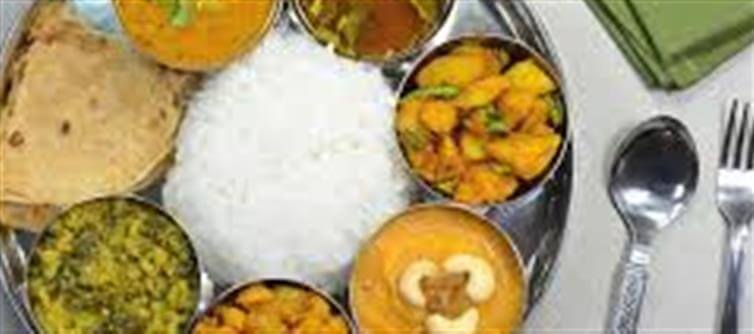

A new study conducted by the Indian Council of Medical Research-India diabetes (ICMR-INDIAB) has highlighted a concerning trend in the country's dietary habits. According to the nationwide study, 62% of the typical indian diet consists of carbohydrates, which has been closely linked to the increasing rates of diabetes and obesity in India.
Key Findings of the ICMR-INDIAB Study:
1. Carbohydrate Dominance:
The study revealed that a significant portion of the indian diet is made up of carbohydrates, with rice, wheat, and potatoes being the primary sources. This high carb intake is associated with unhealthy weight gain and metabolic issues, contributing to a surge in diabetes and obesity rates.
2. Rising health Risks:
Excessive consumption of carbohydrates, especially refined carbs, is linked to poor blood sugar regulation. This dietary pattern is seen as a major contributing factor to the rising incidence of Type 2 diabetes and obesity in urban and rural populations alike.
3. Shifts in Dietary Habits:
The shift towards a high-carb, low-protein, and low-fat diet, along with reduced physical activity, has led to increased insulin resistance and chronic lifestyle diseases. This is further compounded by the increased availability of processed foods and sugary drinks.
4. Health Impact on Youth:
Younger populations, in particular, are consuming more processed carbs and fast foods, leading to an earlier onset of diabetes and obesity. The growing trend of unhealthy eating habits and sedentary lifestyles is a major cause of concern.
Health Implications:
· Diabetes Epidemic: The high carb consumption directly impacts insulin levels, increasing the risk of insulin resistance, which can ultimately lead to diabetes. With the number of diabetic individuals rising steadily, india is being recognized as the diabetes capital of the world.
· Obesity: A carb-heavy diet, especially when paired with minimal physical activity, often leads to obesity, which is a major risk factor for heart disease, hypertension, and other chronic conditions.
· Increased Mortality Risk: As both obesity and diabetes increase, the risk of related health complications, such as heart disease and stroke, also rises, leading to higher mortality rates in certain age groups.
What Needs to Change?
1. Dietary Shifts:
Health experts suggest incorporating more protein, healthy fats, and fiber-rich foods like fruits, vegetables, and legumes into the indian diet. A balanced approach to carbohydrates, including choosing whole grains over refined ones, can help in better blood sugar management and weight control.
2. Public Awareness:
Raising awareness about the dangers of a carb-heavy diet and encouraging healthier food choices is crucial in curbing the rising obesity and diabetes rates. Public health campaigns focusing on healthy eating habits, exercise, and regular health checkups could play a vital role.
3. Government Action:
The government could consider implementing stricter regulations on food labeling and advertising, especially for processed and sugary foods, to help the public make more informed dietary choices.
Conclusion:
The ICMR-INDIAB study underscores the critical need for dietary reforms in india to tackle the growing health crisis of diabetes and obesity. With 62% of the indian diet comprising carbohydrates, there is an urgent need for a shift towards balanced nutrition and healthy lifestyle changes. If left unchecked, the rising rates of these chronic diseases could overwhelm the healthcare system, making prevention and awareness more important than ever.
Disclaimer:
The views and opinions expressed in this article are those of the author and do not necessarily reflect the official policy or position of any agency, organization, employer, or company. All information provided is for general informational purposes only. While every effort has been made to ensure accuracy, we make no representations or warranties of any kind, express or implied, about the completeness, reliability, or suitability of the information contained herein. Readers are advised to verify facts and seek professional advice where necessary. Any reliance placed on such information is strictly at the reader’s own risk..jpg)
 click and follow Indiaherald WhatsApp channel