
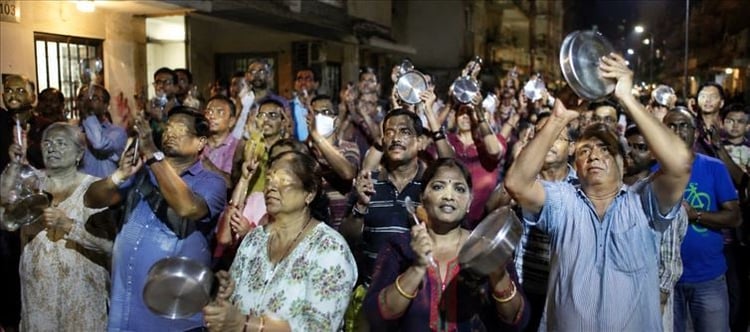


There was a time when a single appeal from narendra modi could instantly mobilize the entire country. During the pandemic, millions of indians came out onto balconies and streets banging utensils in symbolic unity because they believed they were participating in a larger national moment. Whether people agreed with it or not, the emotional connection between the leader and the public was undeniable.
But today, the public response feels very different.
Now, when the prime minister urges citizens to reduce fuel consumption, avoid unnecessary foreign vacations, slow down gold purchases, or adopt work-from-home practices to help stabilize economic pressure and protect the rupee, the reaction is no longer automatic support. Instead, many people are responding with tough questions: “Why is the burden always on ordinary citizens?” “What reforms is the government itself bringing?” “Why does the public have to compensate for every economic challenge?”
That shift matters politically because it reflects something deeper than criticism — it reflects changing public expectations after 12 years of uninterrupted power.
In the early years, emotional messaging, nationalism, symbolism, and large-scale public participation created a powerful political connection. But over time, citizens have become more demanding. They are no longer satisfied with speeches alone. Rising living costs, fuel prices, taxes, unemployment concerns, and economic pressures have made people increasingly focused on measurable outcomes rather than motivational appeals.
This doesn’t necessarily mean public support has disappeared. What it does mean is that the relationship between leader and citizen has evolved. people who once responded emotionally are now responding analytically. They want accountability alongside patriotism. They want governance alongside messaging.
And perhaps that is the biggest political transformation india is witnessing today: the public is slowly moving from emotional participation to performance-based evaluation.
That, more than any slogan or campaign, may ultimately become the real report card of long-term political power.
 click and follow Indiaherald WhatsApp channel