


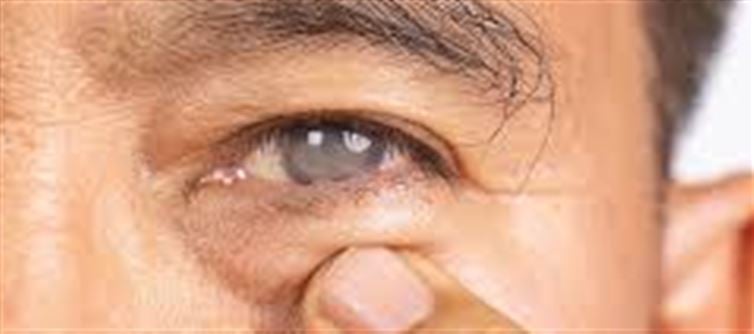

Air pollution has become an increasingly serious global concern, impacting not only respiratory and cardiovascular health but also eye health. The tiny particulate matter, dust, smoke, and chemical pollutants in the air can cause irritation, dryness, redness, and even long-term damage to the eyes. With the modern lifestyle exposing us to polluted environments both outdoors and indoors, it is crucial to adopt strategic eye care practices to protect our vision.
This article explores the effects of air pollution on eyes and offers practical strategies to maintain eye health in a polluted environment.
1. How air pollution Affects Eye Health
Dryness and Irritation: Pollutants strip moisture from the eyes, leading to discomfort and a gritty sensation.
Redness and Inflammation: Chemicals and particulate matter trigger inflammatory responses, causing redness and burning.
Allergic Reactions: Pollutants can worsen allergic conjunctivitis, resulting in itching, swelling, and tearing.
Increased Risk of Infections: Polluted air can harbor bacteria and viruses, increasing susceptibility to eye infections.
Long-Term Damage: Chronic exposure may contribute to cataracts, macular degeneration, and other vision impairments.
2. Essential Eye Care Strategies
a) Protective Eyewear
Wear wraparound sunglasses or pollution-resistant goggles when outdoors.
Eyewear acts as a barrier against dust, smoke, and chemical particles, reducing irritation.
b) Maintain Eye Hydration
Use lubricating eye drops or artificial tears to combat dryness caused by pollutants.
Drink plenty of water to keep eyes and body well-hydrated.
c) Regular Eye Cleansing
Rinse eyes with clean, sterile water or saline solution after exposure to dust or smoke.
Avoid rubbing eyes, which can increase irritation and risk of infection.
d) Nutrient-Rich Diet
Consume foods high in vitamins A, C, E, and omega-3 fatty acids to support eye health.
Examples: Carrots, spinach, kale, almonds, walnuts, fish, and citrus fruits.
e) Indoor air Quality Management
Use air purifiers to reduce indoor pollution levels.
Maintain humidity with humidifiers to prevent dryness.
Keep windows closed during high pollution days.
f) Limit Exposure During Peak Pollution
Track air quality index (AQI) reports and avoid outdoor activities during high pollution hours.
Wear masks with fine particulate filters if you must go outside.
g) Eye Exercises and Rest
Follow the 20-20-20 rule: Every 20 minutes, look at something 20 feet away for 20 seconds to reduce strain.
Ensure adequate sleep to allow eyes to repair and rejuvenate.
3. home Remedies to Soothe Eyes
Cold Compress: Reduces redness and irritation caused by dust and pollution.
Cucumber Slices: Naturally soothe and hydrate tired eyes.
Rose Water Rinse: Acts as a gentle, cooling cleanser for irritated eyes.
Aloe Vera Gel: When diluted, can be applied around the eyes to reduce inflammation.
4. Preventive Measures
Regular Eye Checkups: Detect early signs of pollution-related damage.
Limit Screen Time: Prevent wallet PLATFORM' target='_blank' title='digital-Latest Updates, Photos, Videos are a click away, CLICK NOW'>digital eye strain, which worsens irritation.
Avoid Smoke Exposure: Steer clear of cigarette smoke or chemical fumes.
Maintain Hygiene: Wash hands before touching eyes to prevent infection.
Proper Contact Lens Care: Avoid wearing lenses during high pollution or dust exposure.
5. Conclusion
Rising air pollution poses a real threat to eye health, from mild irritation to long-term vision problems. By combining protective measures, nutritional support, home remedies, and lifestyle adjustments, you can safeguard your eyes and maintain clear, healthy vision even in polluted environments.
Consistency is key: regular hydration, protective eyewear, indoor air management, and mindful exposure can significantly reduce the harmful effects of pollutants on the eyes. Prioritizing eye health amid environmental challenges ensures long-term comfort, safety, and optimal vision.
Disclaimer:
The views and opinions expressed in this article are those of the author and do not necessarily reflect the official policy or position of any agency, organization, employer, or company. All information provided is for general informational purposes only. While every effort has been made to ensure accuracy, we make no representations or warranties of any kind, express or implied, about the completeness, reliability, or suitability of the information contained herein. Readers are advised to verify facts and seek professional advice where necessary. Any reliance placed on such information is strictly at the reader’s own risk.
 click and follow Indiaherald WhatsApp channel