



Everest Is Choking at 8,848 Meters — And We’re the Ones Stealing Its Oxygen
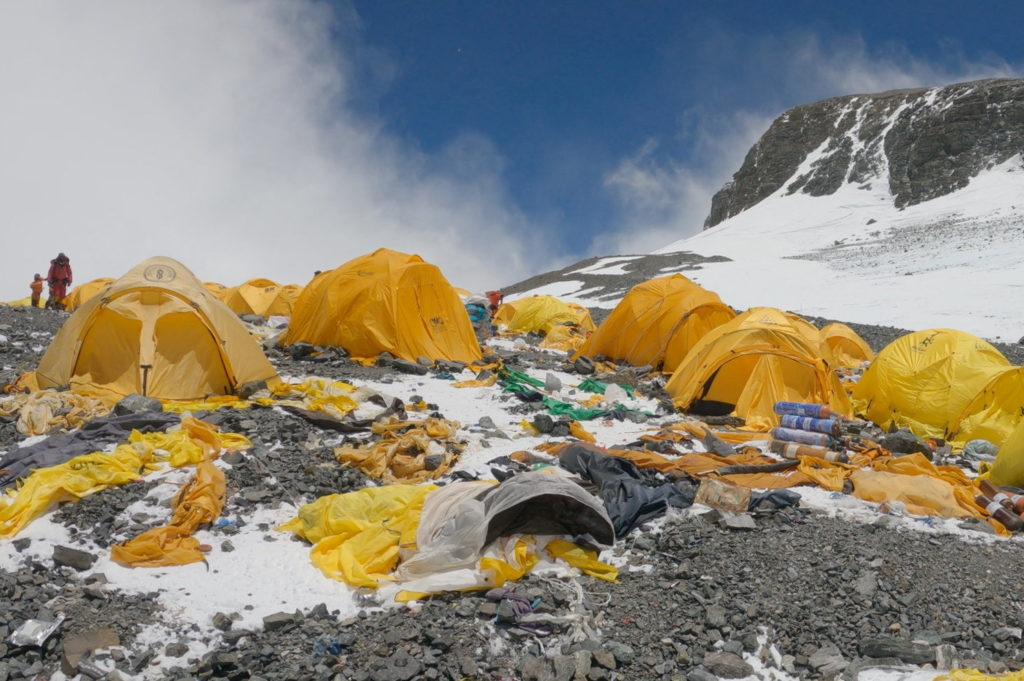
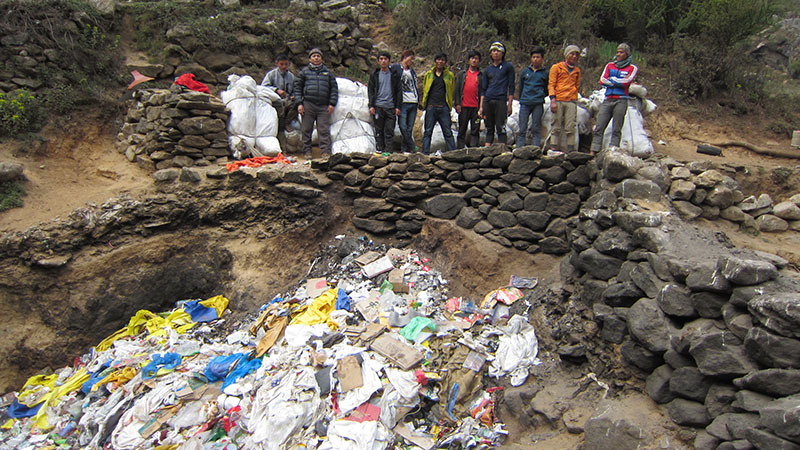
🔥 At Camp IV on Mount Everest—where humans survive only with bottled oxygen—the mountain itself is being left to suffocate under human waste.
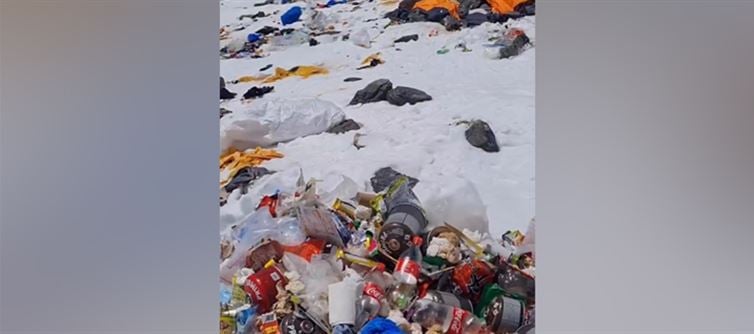
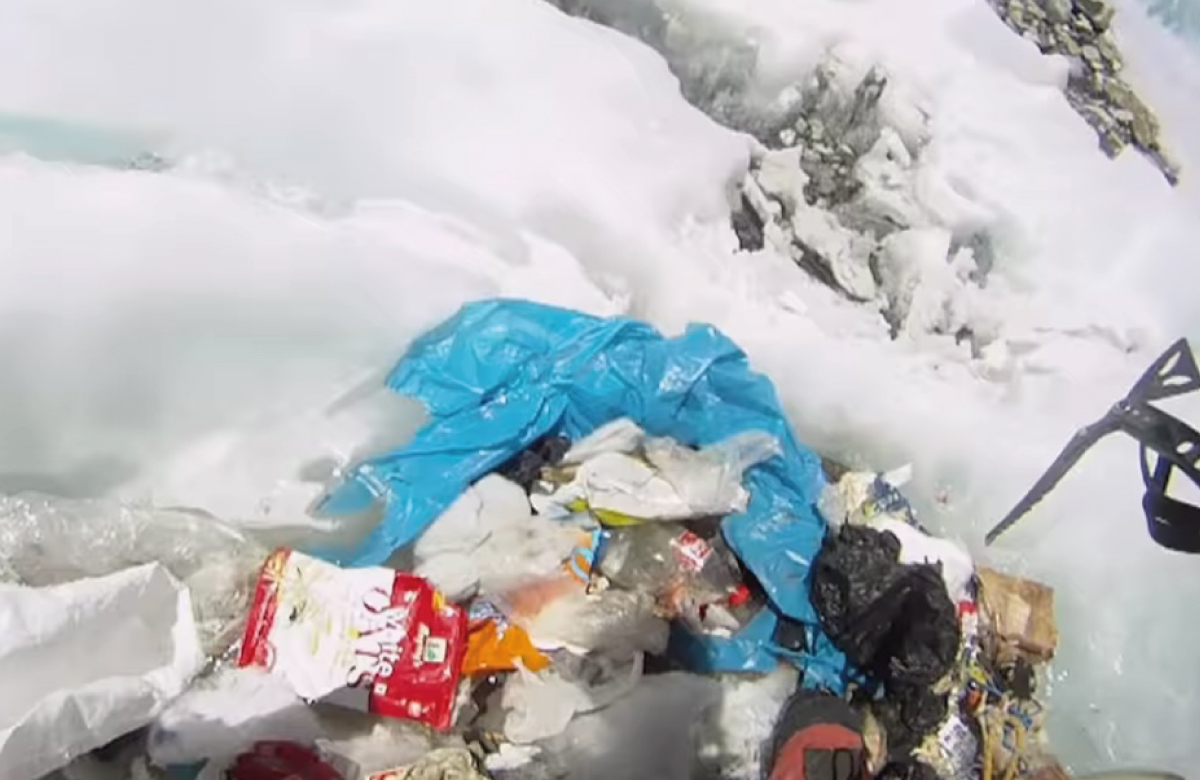
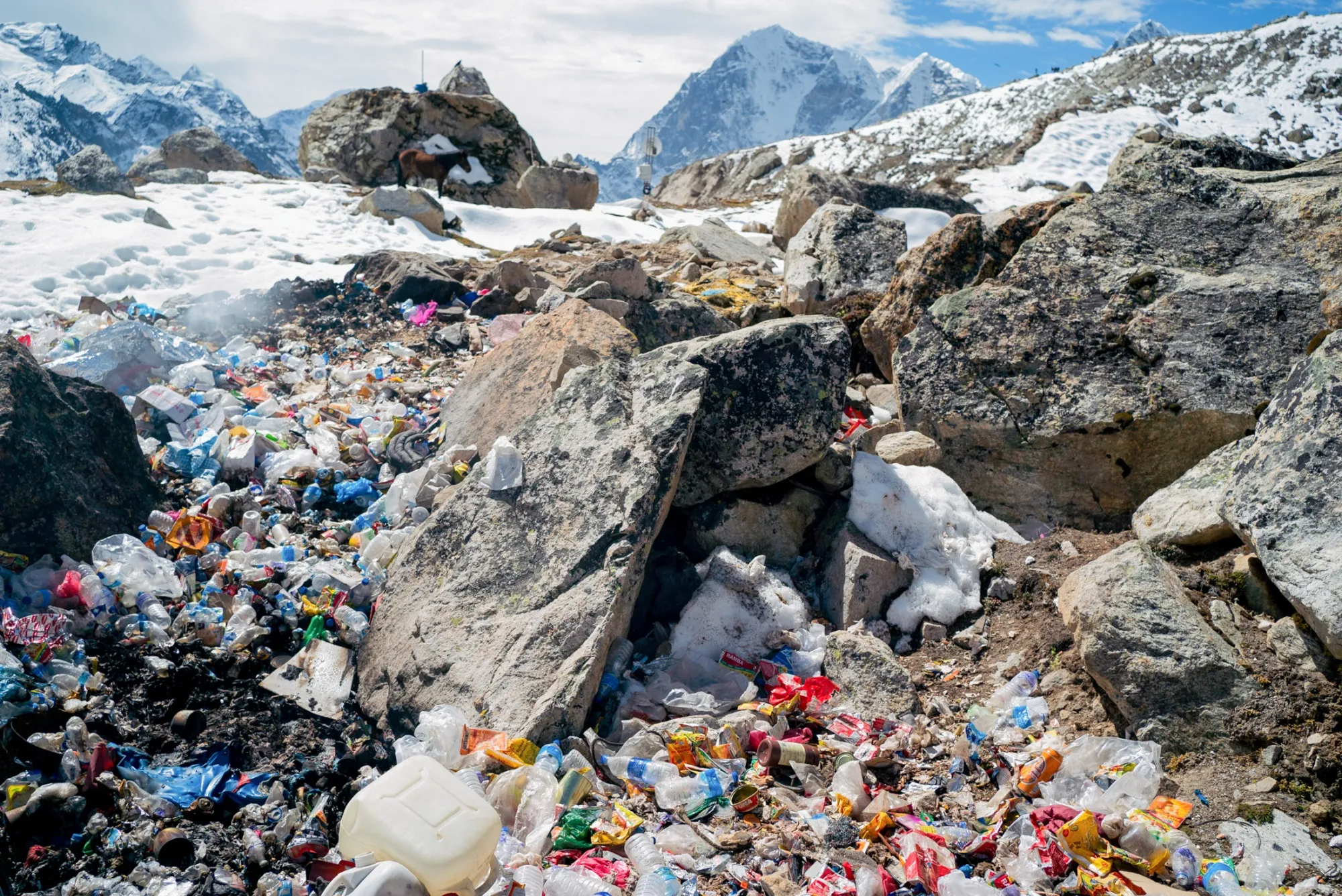
Discarded oxygen cylinders, torn tents, food packaging, human waste, and abandoned gear now litter the final gateway to the summit. This is not an accident. It is the visible result of ambition without accountability.
The world’s highest mountain is being treated like a disposable backdrop for personal glory.
Camp IV: Where Survival Ends and Responsibility Should Begin
Camp IV lies in the death zone, where the human body begins to shut down. Every step is borrowed time. Every breath is artificial.
And yet, this is where garbage piles up the fastest.
Used oxygen bottles are tossed aside. The broken gear is abandoned. Waste is left frozen into the ice—mistakenly assumed to be “preserved” rather than permanent.
At the edge of human endurance, ethics seem to be the first casualty.
From Sacred Mountain to Dumping Ground
Known as Sagarmatha, Everest is sacred to the people who live in its shadow. It is not just a peak—it is a protector, a deity, a living presence.
Yet modern climbing culture treats it like a checklist item.
Pay the fee. Hire the support. Reach the top.
Leave the mess behind.
This isn’t exploration.
It’s extraction.
The Dirty Truth About “Clean” Expeditions
Many commercial expeditions advertise sustainability.
Few enforce it when exhaustion sets in.
Waste-carry policies are loosely monitored
Penalties are rare and often symbolic
Overcrowding makes enforcement almost impossible
When hundreds of climbers funnel through the same narrow camps, responsibility dissolves into anonymity.
Everyone assumes someone else will clean up.
A Mountain That Can’t Clean Itself
Plastic doesn’t decompose at 8,000 meters.
Metal doesn’t disappear.
Human waste doesn’t “freeze away.”
It accumulates.
Every season adds another frozen layer of negligence. What we see now at Camp IV is decades of moral indifference, compacted into ice.
The mountain remembers what we choose to forget.
This Is a Failure of Governance, Not Just Climbers
The blame doesn’t stop with individuals.
Authorities that issue permits, regulate traffic, and profit from Everest tourism have a duty to protect it. When numbers are prioritised over capacity, degradation is inevitable.
A summit photo lasts seconds.
Environmental damage lasts generations.
What Must Change — Now
Stricter climber caps based on environmental capacity
Mandatory waste return with verifiable tracking
Severe penalties for abandoned gear and waste
Independent clean-up enforcement, not voluntary compliance
Protecting Everest cannot be optional or symbolic.
It must be enforced.
Why This Matters Beyond Everest
If humanity cannot protect the highest, most revered place on Earth, what hope do ordinary ecosystems have?
Everest is a mirror.
What we see there reflects who we are becoming.
Final Word
The irony is brutal:
Humans climb Everest carrying oxygen to survive—while leaving behind garbage that slowly suffocates the mountain itself.
Protecting Sagarmatha is not activism.
It is an obligation.
To nature.
To future generations.
To the values we claim to uphold.
🗻 The world’s highest mountain deserves more than our silence.
 click and follow Indiaherald WhatsApp channel