
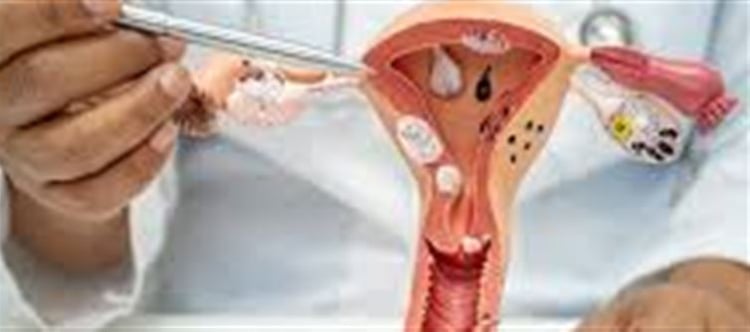


Uterine fibroids, also known as leiomyomas or myomas, are non-cancerous growths that develop in or around the uterus. They are common in women of reproductive age, often affecting fertility and overall reproductive health. While fibroids are generally benign, their size, location, and number can lead to a range of health issues, from heavy menstrual bleeding to complications during pregnancy.
Ayurveda, the ancient indian system of medicine, offers a holistic approach to managing fibroids by balancing the body’s energies, improving hormonal function, and reducing inflammation. Understanding uterine fibroids through both modern and Ayurvedic perspectives can help women take informed, natural steps toward prevention and treatment.
What Are Uterine Fibroids?
Uterine fibroids are firm, smooth, muscular tumors that develop in the wall of the uterus. They can vary in size—from tiny, pea-sized nodules to large masses that can distort the shape of the uterus. Fibroids can be classified based on their location:
Submucosal Fibroids: Grow just beneath the inner lining of the uterus and may protrude into the uterine cavity.
Intramural Fibroids: Develop within the muscular wall of the uterus and are the most common type.
Subserosal Fibroids: Project outward from the outer layer of the uterus into the pelvic cavity.
Pedunculated Fibroids: Attached to the uterus via a stalk, either inside or outside the uterus.
Causes of Uterine Fibroids
The exact cause of fibroids is not fully understood, but several factors contribute to their development:
Hormonal Imbalance: Excess estrogen and progesterone promote the growth of fibroid tissue.
Genetic Factors: Family history increases the risk of developing fibroids.
Obesity: Higher body fat leads to increased estrogen levels, stimulating fibroid growth.
Age: Fibroids are more common in women aged 30–50, often shrinking after menopause.
Other Factors: High blood pressure, stress, and poor diet may also play a role.
Symptoms and Complications
Many women with fibroids experience no symptoms, and the condition is often discovered during routine pelvic exams. However, symptomatic fibroids can cause:
Heavy or prolonged menstrual bleeding
Pelvic pain or pressure
Frequent urination or difficulty emptying the bladder
Constipation or bloating
Painful intercourse
Fertility problems or recurrent pregnancy loss
Complications may include:
Anemia: Due to chronic blood loss
Infertility or Pregnancy Issues: Fibroids may interfere with implantation or fetal growth
Degeneration: Rapid growth or degeneration can cause severe pain
Impact on Quality of Life: Physical discomfort and emotional stress
Ayurvedic Perspective on Uterine Fibroids
In ayurveda, fibroids are generally associated with an imbalance of the Kapha and Vata doshas. Kapha-related imbalances can lead to excessive growth of tissue, while Vata imbalance may contribute to pain and irregular cycles. ayurveda focuses on restoring dosha balance, improving digestion (Agni), and removing toxins (Ama) from the body.
Ayurvedic Causes of Fibroids
Poor diet and sedentary lifestyle
Hormonal and reproductive imbalance
Accumulation of Ama (toxins) in the reproductive system
Stress and emotional disturbances affecting hormonal regulation
Ayurvedic Remedies for Uterine Fibroids
Ayurveda offers a combination of herbal treatments, dietary guidance, lifestyle practices, and detoxification therapies to manage fibroids naturally.
1. Herbal Remedies
Ashoka (Saraca indica): Supports uterine health, regulates menstrual cycles, and reduces bleeding.
Lodhra (Symplocos racemosa): Helps shrink fibroids and manage inflammation.
Shatavari (Asparagus racemosus): Balances hormones and strengthens reproductive tissues.
Guggul (Commiphora mukul): Reduces inflammation and prevents excessive tissue growth.
Triphala: Supports digestion and detoxification, improving hormonal balance.
2. Panchakarma Therapies
Virechana (Therapeutic Purgation): Helps remove excess Kapha and toxins.
Basti (Medicated Enemas): Especially beneficial for Vata imbalance affecting reproductive organs.
Udvartana (Herbal Powder Massage): Stimulates circulation and reduces tissue accumulation.
3. Diet and Lifestyle
Emphasize Kapha-reducing foods: Light, warm, and easily digestible meals.
Avoid processed foods, excess sugar, and dairy, which increase Kapha.
Incorporate physical activity and yoga to improve circulation and reduce stress.
Drink herbal teas with ginger, turmeric, or cinnamon to support digestion and hormonal balance.
4. yoga Practices
Supta Baddha Konasana (Reclined Bound Angle Pose): Improves pelvic circulation and reduces congestion.
Paschimottanasana (Seated Forward Bend): Stimulates reproductive organs and supports detoxification.
Bhujangasana (Cobra Pose) & Setu Bandhasana (Bridge Pose): Strengthen the uterus and improve blood flow.
Pranayama (Deep Breathing): Reduces stress and balances hormones.
When to Seek Medical Intervention
While Ayurvedic remedies can be highly effective for small or moderate fibroids, surgical or modern medical intervention may be necessary if:
Fibroids are very large or growing rapidly
Severe pain or heavy bleeding persists
Fertility is affected and natural remedies are insufficient
Modern options include myomectomy, hysterectomy, or minimally invasive procedures, which can be complemented by ayurveda for recovery and maintenance.
Conclusion
Uterine fibroids are a common yet manageable condition that affects millions of women worldwide. While medical treatments address severe cases, Ayurveda offers a natural, holistic approach to prevent growth, reduce symptoms, and restore hormonal balance. By combining herbs, lifestyle changes, yoga, and dietary adjustments, women can support uterine health, improve fertility, and enhance overall well-being.
Understanding your body, recognizing symptoms early, and adopting a balanced lifestyle are key to managing fibroids without compromising health or quality of life.
Disclaimer:
The views and opinions expressed in this article are those of the author and do not necessarily reflect the official policy or position of any agency, organization, employer, or company. All information provided is for general informational purposes only. While every effort has been made to ensure accuracy, we make no representations or warranties of any kind, express or implied, about the completeness, reliability, or suitability of the information contained herein. Readers are advised to verify facts and seek professional advice where necessary. Any reliance placed on such information is strictly at the reader’s own risk.
 click and follow Indiaherald WhatsApp channel