


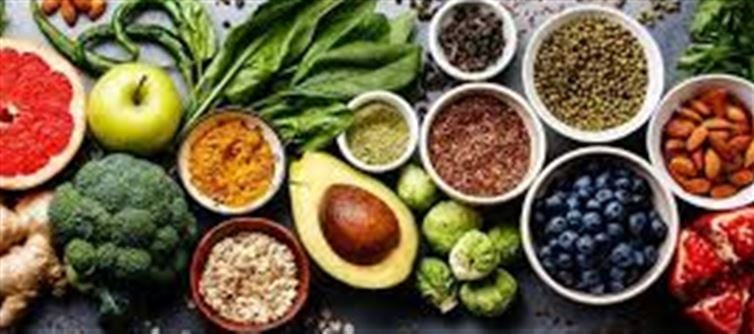

As the CBSE 2026 exams approach, students are under pressure to perform their best and keep their concentration levels high. While study routines and time management are important, nutrition plays a critical role in brain function and cognitive performance. Certain foods can help boost memory, enhance focus, and reduce stress, making them perfect for students gearing up for their exams.
Here’s a list of brain-boosting foods to incorporate into your diet during exam preparation:
1. Walnuts: A Brain Powerhouse
Walnuts are considered one of the best foods for brain health. Packed with omega-3 fatty acids, antioxidants, and vitamin E, they help support cognitive function and improve memory retention. Walnuts are also linked to better mood regulation, which can reduce anxiety during stressful exam periods.
- How to consume: Have a handful of walnuts as a snack or add them to smoothies, salads, or yogurt.
2. Blueberries: The Memory Enhancer
Blueberries are rich in antioxidants, especially flavonoids, which are linked to improved memory and brain health. Regular consumption of blueberries has been shown to enhance the brain’s ability to process and retain information. The antioxidants also help protect brain cells from damage caused by oxidative stress.
- How to consume: You can add blueberries to oatmeal, smoothies, or just eat them as a snack. Fresh or frozen, they are both beneficial.
3. Dark Chocolate: A Sweet Focus Booster
Dark chocolate, especially varieties that are 70% cocoa or higher, is known for its ability to boost focus and improve cognitive function. The flavonoids in dark chocolate improve blood flow to the brain, enhancing memory, alertness, and mood. It also contains small amounts of caffeine, which can give you a gentle mental boost without causing jitters.
- How to consume: Have a small square of dark chocolate (around 30g) during study breaks or before exams for a quick focus boost.
4. Oats: A Steady Energy Source
Oats are a great source of complex carbohydrates, providing a steady supply of glucose to the brain. This helps improve focus, attention, and mental clarity over long periods. Oats also contain fiber that promotes overall digestive health, which in turn can help reduce stress.
- How to consume: Start your day with a warm bowl of oatmeal topped with fruits, seeds, or nuts for added nutrients.
5. Eggs: A Protein-Packed Brain Food
Eggs are an excellent source of protein and contain choline, a nutrient that plays a vital role in improving memory and cognitive function. Choline helps in the production of acetylcholine, a neurotransmitter that is important for learning and memory processes.
- How to consume: Have a boiled or scrambled egg as a breakfast or snack. You can also incorporate eggs into a variety of dishes like omelets, wraps, or salads.
6. spinach and Leafy Greens: Rich in vitamins and Antioxidants
Leafy greens like spinach, kale, and broccoli are packed with vitamins A, C, K, and folate, which play a role in protecting brain cells and promoting cognitive health. These greens also have iron, which helps improve blood circulation to the brain, boosting memory and focus.
- How to consume: Add spinach to salads, smoothies, or use it as a topping on sandwiches. You can also make a spinach and egg scramble or a vegetable soup.
7. Salmon: Omega-3 Rich fish for Brain Health
Salmon and other oily fish like mackerel and sardines are rich in omega-3 fatty acids, which are essential for brain health and cognitive performance. Omega-3s support the development of brain cells and improve concentration and memory. They also help in maintaining a positive mood, which can be helpful during the stressful exam season.
- How to consume: Have grilled or baked salmon as part of your lunch or dinner, or include fish in salads or sandwiches.
8. Chia Seeds: Nutrient-Dense Superfood
Chia seeds are an excellent source of omega-3 fatty acids, fiber, protein, and antioxidants, which help improve brain function and reduce inflammation. They are also high in magnesium, which is important for mental health, reducing anxiety, and improving sleep quality.
- How to consume: Add chia seeds to smoothies, overnight oats, or sprinkle them over salads or yogurt.
9. Green Tea: The Focus Drink
Green tea is packed with caffeine and L-theanine, an amino acid that improves focus, alertness, and memory. Unlike coffee, the caffeine in green tea is released more slowly, providing a gentle, sustained energy boost that helps with concentration without the crash.
- How to consume: Drink a cup of green tea during study breaks. You can also try matcha, which is a more concentrated form of green tea, providing an even greater cognitive boost.
10. Avocado: A Brain-Boosting Fat
Avocados are loaded with healthy monounsaturated fats, which help increase blood flow to the brain and support healthy brain function. These fats are essential for maintaining the structural integrity of brain cells, enhancing memory, focus, and overall cognitive performance.
- How to consume: Add avocado to sandwiches, salads, or make a delicious avocado toast with a sprinkle of pepper and lemon.
11. Bananas: The Quick Energy Snack
Bananas are a great source of natural sugars, fiber, and potassium, which provide a steady release of energy to the brain. They are also rich in vitamin B6, which plays a key role in the production of neurotransmitters like serotonin and dopamine, supporting mood regulation and mental clarity.
- How to consume: Have a banana as a snack or add it to smoothies and oatmeal for added energy.
12. Water: Stay Hydrated for Optimal Brain Function
While food plays an important role, hydration is just as critical for optimal brain function. Dehydration can lead to fatigue, headaches, and difficulty concentrating. Ensure you drink plenty of water throughout the day to maintain energy and mental clarity.
- How to consume: Carry a water bottle with you and aim for 8-10 glasses of water a day. You can also include hydrating fruits like watermelon and cucumber.
Conclusion: Eating Smart for Exam Success
The right diet can play a pivotal role in boosting brain function and ensuring you stay focused and calm during the CBSE 2026 exams. Incorporate these brain-boosting foods into your daily routine to enhance memory, concentration, and energy levels. Along with proper nutrition, make sure to get enough sleep, exercise, and take short breaks during your study sessions to keep your brain sharp.
Good luck, and remember that a healthy mind and body are the keys to success!
Disclaimer:
The views and opinions expressed in this article are those of the author and do not necessarily reflect the official policy or position of any agency, organization, employer, or company. All information provided is for general informational purposes only. While every effort has been made to ensure accuracy, we make no representations or warranties of any kind, express or implied, about the completeness, reliability, or suitability of the information contained herein. Readers are advised to verify facts and seek professional advice where necessary. Any reliance placed on such information is strictly at the reader’s own risk.
 click and follow Indiaherald WhatsApp channel