



🏏 What the news Is Saying Now
📌 Reported Visa Issues for Pakistan‑Origin USA Players
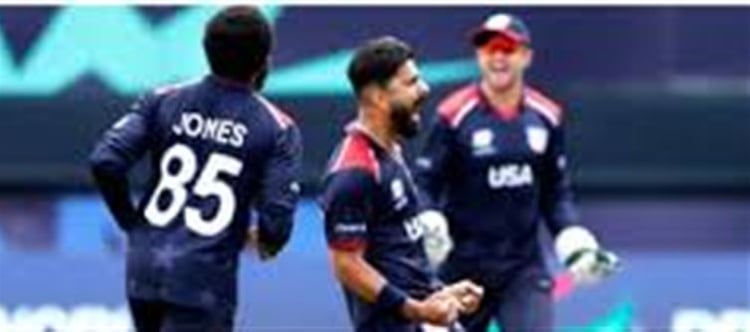
Several cricketers of Pakistani origin who were selected in the United States men’s squad for the ICC Men’s t20 world cup 2026 have hit visa problems ahead of the tournament in india and Sri Lanka. These include well‑known names like Ali Khan, Shayan Jahangir, Mohammad Mohsin and Ehsan Adil.
One of the players, Ali Khan, publicly posted on social media that his indian visa was “denied,” using humorous captions that drew worldwide attention to the situation.
🤔 Is india Actually Denying Visas Specifically Because They’re pakistan Origin?
❗ Viral Claim vs. Verified Process
There have been reports claiming that india has denied visas to these Pakistan‑origin players — and some headlines presented this as fact.
However, official–clarified information shows the situation is not a clear‑cut visa denial on political grounds:
• The players attended visa appointments and submitted all required documentation as part of the t20 world cup process.
• According to sources, visas were not issued at the appointment stage, but there has been no formal official rejection yet; applications remain under administrative review.
This review is occurring because visas involving individuals born in pakistan are subject to additional government scrutiny under India’s existing visa protocols — a bureaucratic requirement rather than a confirmed ban.
📍 Why Visa Delays Happen for Pakistan‑Origin Applicants
India’s entry rules treat persons born in pakistan (even if now citizens of another country) differently:
- Applicants of Pakistani origin often undergo extra checks and clearance steps from multiple ministries before a visa is granted.
- This is a standard part of India’s visa procedures for people with origins in pakistan, and similar cases have occurred in the past with athletes and others — not exclusively tied to this World Cup.
So the current situation seems to be administrative processing delays — not an outright ban announced by the government.
⚠️ Impact on the t20 world cup Squad
Because the visa approvals have not been finalized:
• The participation of these Pakistan‑origin players in india may be in jeopardy if their visas are not granted in time.
• This could affect Team USA’s preparations and lineup for matches played in india during the early stages of the tournament.
The USA team is currently finalizing preparations in Sri Lanka, where other world cup fixtures will take place.
🧠 Context: Geopolitics & sports Administration
It’s important to separate two elements:
❶ Visa protocols — India’s government follows specific procedures for applicants with Pakistani origins, rooted in long‑standing diplomatic protocols.
❷ Political speculation — Some media and social posts have framed the issue as india intentionally blocking Pakistan‑origin players from the tournament. But verified sources clarify there is no confirmed official “visa denial ban” yet — just ongoing review and processing.
🗓️ Tournament Timeline Reminder
The ICC Men’s t20 world cup 2026 is set to begin on February 7, 2026, with matches in india and Sri Lanka.
With less than a month to go, final visa clearances need to be completed soon for all affected players to participate in fixtures hosted in India.
🏁 Summary
✔️ Pakistan‑origin USA players have said they faced visa problems ahead of the t20 WC.
✔️ One player (Ali Khan) publicly shared that his visa wasn’t granted as expected.
✔️ No official confirmation exists that visas were formally rejected on political grounds — the applications are still under review.
✔️ The delays appear linked to extra administrative checks under India’s existing visa rules for Pakistan‑born applicants.
✔️ The situation could affect Team USA’s lineup for the India‑stage t20 world cup matches if clearances aren’t completed soon.
Disclaimer:
The views and opinions expressed in this article are those of the author and do not necessarily reflect the official policy or position of any agency, organization, employer, or company. All information provided is for general informational purposes only. While every effort has been made to ensure accuracy, we make no representations or warranties of any kind, express or implied, about the completeness, reliability, or suitability of the information contained herein. Readers are advised to verify facts and seek professional advice where necessary. Any reliance placed on such information is strictly at the reader’s own risk.
 click and follow Indiaherald WhatsApp channel