


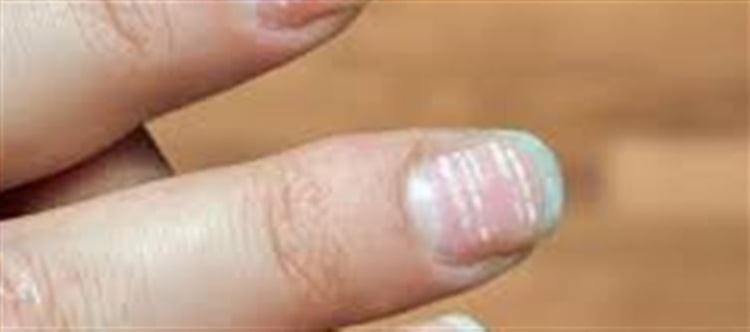

Your nails can reveal a lot more about your health than you might think. While they may seem like simple body parts, nails are often the first to show signs of underlying health issues. Subtle changes in your nails can indicate early warning signs of internal health shifts, ranging from nutritional deficiencies to more serious conditions like heart disease or liver dysfunction.
Let's take a closer look at the different nail changes and what they could mean for your internal health.
1. White Nails: Could Indicate Liver Disease
What It Looks Like:
When nails become pale or completely white, it can be a sign that there’s an issue with the liver. Healthy nails typically have a pinkish tone with a white crescent at the base. However, if the nails become wholly white, it could point toward liver problems.
What It Means:
· White nails can sometimes be an indication of conditions such as hepatitis, cirrhosis, or even liver failure.
· The condition is often accompanied by other symptoms like yellowing of the skin (jaundice) and dark urine.
Other Possible Causes:
· Anemia
· Malnutrition
· Heart disease
If you notice your nails turning white, it’s important to seek medical attention to identify the underlying cause.
2. Yellowing of Nails: A Sign of Respiratory or Fungal Infections
What It Looks Like:
Nails that appear yellowish can be a cause for concern. This change is particularly common in people who have nail fungus or chronic respiratory issues.
What It Means:
· Yellow nails may indicate a fungal infection, which causes the nails to thicken, become brittle, and change color.
· Yellowing can also point to respiratory diseases such as chronic bronchitis, emphysema, or lung conditions that interfere with oxygen levels in the body.
· In rare cases, yellow nails can be linked to diabetes or thyroid problems.
Other Possible Causes:
· Smoking: Nicotine and tar can stain nails, giving them a yellowish appearance.
· Psoriasis: This skin condition can also affect the nails, leading to discoloration.
If the yellowing persists or if it’s accompanied by pain or swelling, it’s advisable to get your nails checked by a healthcare professional.
3. Brittle, Cracked Nails: Thyroid or Nutrient Deficiency
What It Looks Like:
When your nails become brittle, cracked, or break easily, it could be a sign that your body is lacking essential nutrients or that there's an imbalance in your hormonal health.
What It Means:
· Brittle nails are often a symptom of hypothyroidism, a condition where the thyroid gland doesn’t produce enough hormones.
· A lack of essential nutrients like iron, zinc, biotin, or vitamin A can also cause nails to become weak and break easily.
· Anemia (iron deficiency) can contribute to both brittle nails and fatigue, making it a good indicator of an iron deficiency or nutritional imbalance.
Other Possible Causes:
· Dehydration: Not drinking enough water can lead to dry, brittle nails.
· Excessive use of chemicals: Constant exposure to household cleaning products or nail polish removers can weaken nails.
4. Blue Nails: oxygen Deficiency or heart Issues
What It Looks Like:
If your nails take on a bluish tint, especially around the cuticles, it could indicate a lack of oxygen in your bloodstream. This condition is called cyanosis.
What It Means:
· Blue nails are often a symptom of poor circulation or oxygen deprivation in the blood, which could indicate serious heart or lung conditions.
· Heart disease, chronic obstructive pulmonary disease (COPD), or respiratory issues can prevent the body from receiving enough oxygen, leading to cyanosis.
Other Possible Causes:
· Cold temperatures: Fingers may turn blue in response to extreme cold, but the color should return to normal once warmth is restored.
· Raynaud's disease: A condition that affects blood flow to extremities, causing fingers and toes to turn blue or white when exposed to cold.
If your nails remain blue without an obvious external cause, it is important to get a health checkup to rule out heart or lung issues.
5. Spoon Nails (Koilonychia): iron Deficiency or heart Disease
What It Looks Like:
Spoon-shaped nails, or koilonychia, occur when the nails curve inward, creating a spoon-like depression.
What It Means:
· Spoon nails are most commonly associated with iron deficiency anemia. This can happen when the body lacks enough iron to produce hemoglobin, leading to weak, concave nails.
· In some cases, spoon nails can also indicate heart disease, diabetes, or hypothyroidism.
Other Possible Causes:
· Trauma or injury to the nails can also cause them to become misshapen, though this would usually be temporary.
6. Vertical Ridges: Aging or Malabsorption
What It Looks Like:
Vertical ridges running from the tip of the nail to the cuticle are often a natural part of the aging process. However, if they suddenly become prominent or more pronounced, it might indicate a health issue.
What It Means:
· Vertical ridges can sometimes point to malabsorption issues, where your body has difficulty absorbing essential nutrients from food, which can occur in conditions like celiac disease or Crohn’s disease.
· In some cases, they may also suggest a vitamin deficiency, particularly with regard to B vitamins and iron.
Other Possible Causes:
· Stress: Physical or emotional stress can sometimes result in changes to the nails, including vertical ridges.
· Aging: As you age, it’s natural to see subtle vertical ridges in nails. However, they should not become deeply pronounced.
7. Pitted Nails: Psoriasis or Arthritis
What It Looks Like:
Pitted nails are characterized by small depressions or holes in the surface of the nail.
What It Means:
· Pitting is commonly associated with psoriasis, a chronic skin condition that can affect the nails.
· It can also be a sign of psoriatic arthritis, which involves both skin and joint inflammation.
Other Possible Causes:
· Eczema or other autoimmune conditions.
· Reactive arthritis (inflammation of the joints due to infection).
8. Clubbed Nails: heart or lung Issues
What It Looks Like:
Clubbing is when the nails become rounded and bulbous, and the angle between the nail and the nail bed becomes more pronounced, making the nails appear as if they are “clubbed.”
What It Means:
· Clubbed nails are often associated with lung diseases like emphysema, lung cancer, or chronic bronchitis.
· They may also indicate heart disease, particularly conditions that cause low oxygen levels, like congenital heart defects or cyanotic heart disease.
Other Possible Causes:
· Inflammatory bowel disease (IBD).
· Cirrhosis or other liver disorders.
Conclusion: Listen to Your Nails, They May Be Speaking to You
While nails alone cannot diagnose serious conditions, they can serve as early indicators of potential health issues. Changes in your nails can point to a range of internal health shifts, including nutritional deficiencies, cardiovascular issues, respiratory diseases, and autoimmune disorders.
If you notice any unusual changes in your nails, such as discoloration, texture changes, or abnormal growth patterns, it’s important to consult a healthcare provider for further evaluation. Early detection can make a significant difference in managing and treating various health conditions.
Key Takeaways:
· Nail changes are often an early indicator of health issues that might not be immediately noticeable.
· Keep an eye out for signs like yellowing, brittleness, spooning, or pitting nails, as they can indicate a need for medical attention.
· Regular monitoring of nail health can help detect problems early, leading to better outcomes.
Disclaimer:
The views and opinions expressed in this article are those of the author and do not necessarily reflect the official policy or position of any agency, organization, employer, or company. All information provided is for general informational purposes only. While every effort has been made to ensure accuracy, we make no representations or warranties of any kind, express or implied, about the completeness, reliability, or suitability of the information contained herein. Readers are advised to verify facts and seek professional advice where necessary. Any reliance placed on such information is strictly at the reader’s own risk.
 click and follow Indiaherald WhatsApp channel