


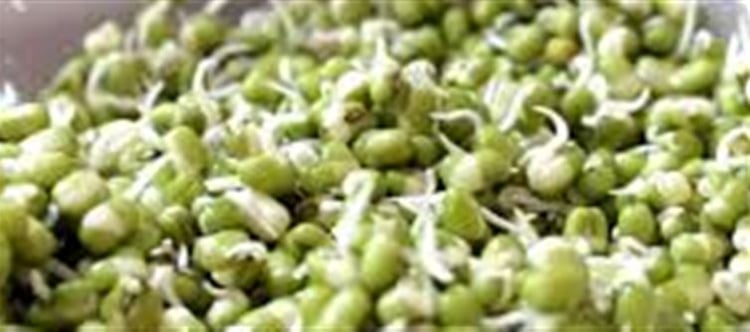

Vitamin B12 is an essential nutrient that plays a vital role in maintaining healthy nerve function, red blood cell production, and dna synthesis. Deficiency in B12 can lead to fatigue, weakness, neurological issues, and anemia. While B12 is commonly associated with animal products, plant-based diets can incorporate certain strategies to support adequate levels. One such versatile and nutrient-rich option is mung beans.
Though mung beans are not a direct source of vitamin B12, they are incredibly beneficial in supporting B12 metabolism and overall energy production, making them a smart addition for those looking to maintain optimal B12 levels naturally.
Nutritional Profile of Mung Beans
Mung beans, also known as green gram, are packed with essential nutrients:
Protein: A complete source of plant-based protein, supporting cellular repair and growth.
Fiber: Promotes digestive health and stabilizes blood sugar levels.
Vitamins: Includes folate (B9), which works synergistically with B12 for red blood cell formation.
Minerals: Rich in iron, magnesium, and potassium, which support energy metabolism and cardiovascular health.
Antioxidants: Contains polyphenols that combat oxidative stress.
By supporting the body’s metabolism and aiding in red blood cell synthesis, mung beans indirectly assist in maximizing the benefits of vitamin B12.
How Mung beans Support B12 Health
Supports red Blood Cell Production
Folate in mung beans complements vitamin B12 in forming healthy red blood cells, preventing anemia and fatigue.
Enhances Energy Metabolism
Protein and iron in mung beans help convert nutrients into energy, which is particularly important if you have low B12 levels.
Promotes Digestive Health
Healthy gut function is crucial for B12 absorption, especially in vegetarians. The fiber in mung beans promotes beneficial gut bacteria, indirectly supporting B12 utilization.
Aids in Neural Function
Folate and B12 together support neurological health. Mung beans provide folate, creating a synergistic effect for maintaining nerve function.
Delicious Ways to Incorporate Mung beans in Your Diet
Mung beans are highly versatile and can be incorporated into meals in various ways:
Sprouted Mung Beans: Rich in enzymes and easier to digest; perfect for salads or sandwiches.
Mung Bean Soup (Dal): A comforting, protein-rich option that can be spiced according to taste.
Mung Bean Pancakes (Chilla): Ground mung beans mixed with spices and cooked like pancakes for a nutritious breakfast.
Mung Bean Stir-Fry: Combine cooked mung beans with vegetables and light seasoning for a wholesome meal.
Smoothies: Blend sprouted mung beans with fruits and nuts for a nutrient-packed drink.
Tip: Soaking or sprouting mung beans enhances nutrient absorption and reduces anti-nutrients like phytic acid.
Complementing Mung beans for B12 Boost
Since mung beans do not naturally contain vitamin B12, pairing them with B12-rich sources ensures adequate intake:
Dairy Products: Milk, yogurt, and cheese
Fortified Foods: Plant-based milk, cereals, and nutritional yeast
Eggs and fish (for non-vegetarians): Excellent sources of bioavailable B12
Combining mung beans with B12-rich foods and supplements can optimize energy levels, red blood cell health, and neurological function.
Lifestyle Tips to Maintain Healthy B12 Levels
Regular Monitoring: Check B12 levels if you follow a vegetarian or vegan diet.
Balanced Diet: Include a variety of legumes, leafy greens, and fortified foods.
Gut Health: Probiotics and fiber support healthy B12 absorption.
Supplementation: Consider B12 supplements if dietary intake is insufficient, under medical guidance.
Conclusion
Mung beans are a nutrient powerhouse that indirectly supports vitamin B12 metabolism and overall energy, making them an essential part of a balanced diet. By combining mung beans with B12-rich foods, sprouting for better absorption, and maintaining a healthy lifestyle, you can boost your energy, prevent anemia, and support neurological health naturally. Whether in soups, salads, or sprouted form, mung beans offer an easy, delicious, and wholesome way to strengthen your body’s nutrient balance.
Disclaimer:
The views and opinions expressed in this article are those of the author and do not necessarily reflect the official policy or position of any agency, organization, employer, or company. All information provided is for general informational purposes only. While every effort has been made to ensure accuracy, we make no representations or warranties of any kind, express or implied, about the completeness, reliability, or suitability of the information contained herein. Readers are advised to verify facts and seek professional advice where necessary. Any reliance placed on such information is strictly at the reader’s own risk.
 click and follow Indiaherald WhatsApp channel