


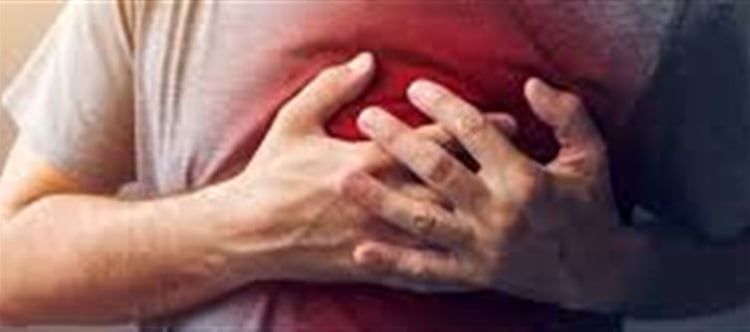

Heart attacks are a leading cause of death worldwide, and alarmingly, many occur suddenly in seemingly healthy individuals. Experts emphasize that early recognition of warning signs can be life-saving. Understanding these “red flags” helps you take immediate action before a serious event occurs.
🫀 5 red Flags That Signal heart attack Risk
1. Chest Discomfort or Pressure
Warning sign: Tightness, heaviness, or burning in the chest that lasts more than a few minutes.
Why it matters: Often the first and most classic symptom of a heart attack.
2. Shortness of Breath
Warning sign: Difficulty breathing during rest or mild activity.
Why it matters: Reduced blood flow or heart function can strain your lungs and oxygen supply.
3. Pain in Other Areas
Warning sign: Discomfort spreading to the arms, neck, jaw, back, or stomach.
Why it matters: The heart can refer pain to other regions, which is sometimes overlooked.
4. Unexplained Fatigue or Weakness
Warning sign: Sudden, unusual exhaustion without clear reason.
Why it matters: The heart may be struggling to pump efficiently, reducing energy supply to the body.
5. Rapid or Irregular Heartbeat
Warning sign: Palpitations, skipped beats, or unusually fast heart rate.
Why it matters: Can indicate arrhythmias or cardiac stress that precede a heart attack.
💡 Expert Recommendations for Prevention
Know Your Numbers: Regularly monitor blood pressure, cholesterol, and blood sugar.
Maintain a Heart-Healthy Diet: Emphasize vegetables, fruits, whole grains, and lean proteins.
Stay Active: Moderate exercise like walking, cycling, or swimming improves cardiovascular health.
Avoid Smoking & Limit Alcohol: Both accelerate artery damage and increase clot risk.
Manage Stress: Meditation, yoga, or deep-breathing exercises reduce cardiac strain.
Seek Immediate Help: If any red flag appears suddenly, call emergency services—time is critical.
🔥 Bottom Line
Heart attacks can strike without warning, but recognizing these five red flags and adopting heart-smart lifestyle habits can dramatically reduce risk. Early detection, prevention, and prompt action save lives.
Disclaimer:
The views and opinions expressed in this article are those of the author and do not necessarily reflect the official policy or position of any agency, organization, employer, or company. All information provided is for general informational purposes only. While every effort has been made to ensure accuracy, we make no representations or warranties of any kind, express or implied, about the completeness, reliability, or suitability of the information contained herein. Readers are advised to verify facts and seek professional advice where necessary. Any reliance placed on such information is strictly at the reader’s own risk.
 click and follow Indiaherald WhatsApp channel