


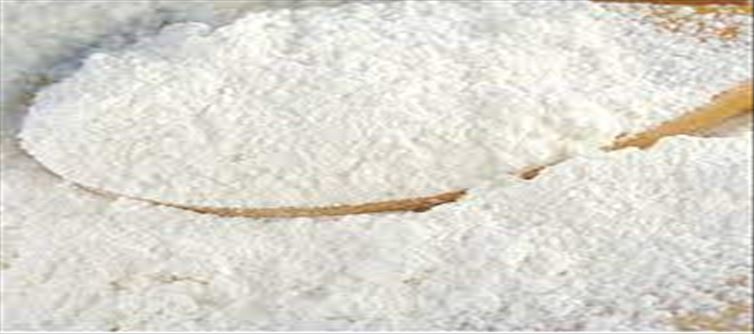

Maida is highly refined and processed, resulting in the removal of the bran and germ layers of the wheat grain. These layers contain essential nutrients such as dietary fiber, vitamins, and minerals. As a result, Maida lacks the nutritional value present in whole wheat or other unrefined flours, offering little to no dietary fiber, fewer vitamins, and minerals.
High glycemic index:
Maida has a high glycemic index (GI), meaning it is rapidly digested and absorbed by the body, leading to a quick spike in blood sugar levels. Regular consumption of high GI foods can contribute to insulin resistance, weight gain, and an increased risk of chronic conditions such as type 2 diabetes, cardiovascular disease, and obesity.
Digestive issues:
Maida's refined nature and lack of fiber can lead to digestive issues. Since it lacks dietary fiber, it does not provide the necessary bulk for healthy digestion and can result in constipation and irregular bowel movements. Moreover, the refined nature of maida may make it harder for the body to break down and digest properly.
Weight management challenges:
Maida-based products such as white bread, pastries, and cookies are often high in calories, but low in nutritional value. These foods tend to be highly palatable, leading to overconsumption and weight gain. Additionally, the rapid rise in blood sugar levels caused by maida can trigger hunger pangs and increase cravings, making it difficult to maintain a healthy weight.
Potential gluten sensitivity:
Maida, like other wheat-based flours, contains gluten. Gluten is a protein that some individuals may be sensitive to or intolerant of, leading to gastrointestinal discomfort, bloating, and other symptoms associated with gluten-related disorders such as celiac disease or non-celiac gluten sensitivity.
 click and follow Indiaherald WhatsApp channel