


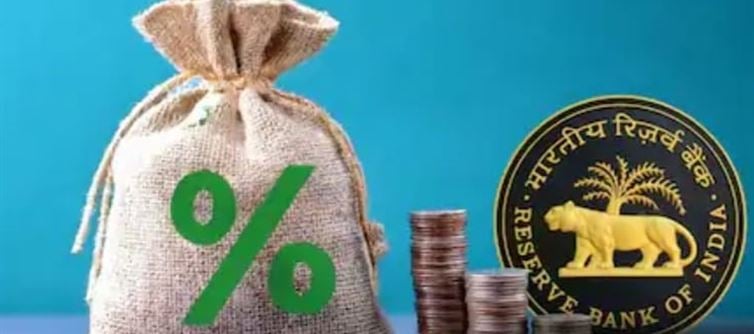

Repo Rate Status
RBI has kept the repo rate unchanged at 5.25% in the february 2026 policy.
This follows a total 125 basis point rate cut over the past year.
Inflation is currently under control while economic growth remains steady.
The pause signals policy stability, not tightening.
Impact on Loan EMIs
Most home and retail loans are linked to external benchmark rates.
Earlier rate cuts have already reduced borrowing costs.
With rates unchanged now, EMIs are unlikely to increase soon.
This gives households monthly budget predictability.
Borrowers have two smart options:
Keep lower EMI to improve monthly cash flow.
Continue the old EMI amount to reduce the loan tenure and total interest.
Good time to review loan structure and prepayment strategy.
Effect on FD Returns
Fixed deposit rates are likely to stay stable.
Banks have already reduced deposit rates over the last year.
A sharp rise in FD rates is unlikely in the near term.
Instead of waiting, savers can:
Lock FDs at current rates.
Use the laddering strategy across tenures.
Split deposits to reduce reinvestment risk.
Consider balancing FDs with other low-risk instruments.
Inflation & Daily Expenses
RBI stance suggests no immediate inflation threat.
Major price pressures appear limited for now.
Some item-level price fluctuations may continue.
Households can plan expenses with more confidence:
Food and groceries
Utilities and transport
Education and recurring bills
Supports better short-term budgeting.
Customer Protection Moves
RBI proposed new customer safety guidelines.
Focus areas include:
Reducing mis-selling practices
Improving loan recovery behavior
Limiting liability in wallet PLATFORM' target='_blank' title='digital-Latest Updates, Photos, Videos are a click away, CLICK NOW'>digital fraud cases
Customers may get compensation up to ₹25,000 for small-value fraud losses.
Pushes more responsibility onto financial institutions.
Credit & business Support
Collateral-free MSME loan limit proposed to rise:
From ₹10 lakh to ₹20 lakh.
Improves credit access for small businesses.
Banks may lend to REITs under safeguards.
Could strengthen income-generating real estate funding.
What Households Should Do
Review loans and refinance if needed.
Optimise savings mix.
Plan calmly — no urgent rate shock expected.
Disclaimer:
The information contained in this article is for general informational purposes only. While we strive to ensure accuracy, we make no warranties or representations of any kind, express or implied, about the completeness, accuracy, reliability, suitability, or availability of the content. Any reliance you place on the information is strictly at your own risk. The views, opinions, or claims expressed in this article are those of the author and do not necessarily reflect the official policy or position of any organization mentioned. We disclaim any liability for any loss or damage arising directly or indirectly from the use of this article.
 click and follow Indiaherald WhatsApp channel