


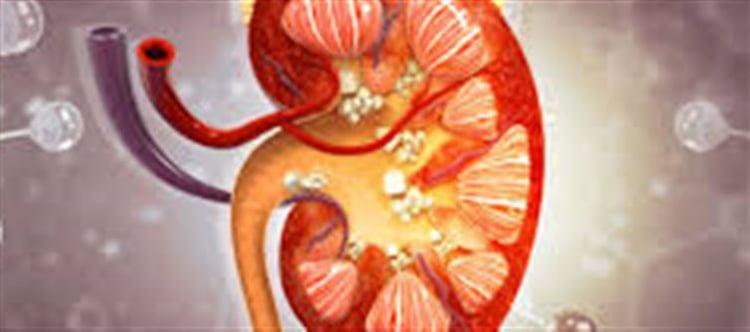

When it comes to protecting your kidneys, most people think about avoiding excess salt, staying hydrated, and managing chronic conditions like diabetes or high blood pressure. However, what many fail to realize is that some everyday medicines—both prescription and over-the-counter—can silently harm kidney function if used improperly. These “hidden kidney killers” can creep up on you, causing long-term damage before noticeable symptoms appear.
1. Over-the-Counter Painkillers: NSAIDs
Nonsteroidal anti-inflammatory drugs (NSAIDs) such as ibuprofen, naproxen, and aspirin are widely used for pain, inflammation, or fever. While safe for occasional use in healthy individuals, chronic or high-dose consumption can reduce blood flow to the kidneys, causing acute kidney injury or worsening chronic kidney disease over time. people with high blood pressure, diabetes, or pre-existing kidney issues are especially vulnerable.
2. Certain Antibiotics
Some antibiotics, particularly aminoglycosides (e.g., gentamicin) and high-dose vancomycin, can be nephrotoxic. They may damage kidney tissues if used excessively or without proper monitoring. Even seemingly routine prescriptions can be risky if you have reduced kidney function or other health conditions.
3. Proton Pump Inhibitors (PPIs)
PPIs, commonly used for heartburn and acid reflux (e.g., omeprazole, esomeprazole), are often taken long-term without medical supervision. Studies link prolonged PPI use to an increased risk of chronic kidney disease and acute interstitial nephritis, an inflammation of the kidneys that can silently reduce their function.
4. Certain diabetes Medications
Some medications for type 2 diabetes, like metformin in patients with advanced kidney disease, can accumulate in the blood and increase the risk of lactic acidosis, a potentially dangerous complication. Newer SGLT2 inhibitors are generally kidney-protective, but monitoring is still essential.
5. Herbal Supplements
“Natural” doesn’t always mean safe. Certain herbal remedies, including aristolochic acid-containing plants and high doses of licorice or ginseng, can be toxic to the kidneys. Mislabeling or lack of regulation makes it easy to unknowingly consume dangerous levels.
6. Hidden Risk: Combination Use
One of the most dangerous factors is combining multiple kidney-impacting drugs—over-the-counter painkillers, supplements, and prescription medications. Even if each medication seems safe alone, together they can create a toxic burden for the kidneys.
7. Subtle Early Warning Signs
Kidney damage often progresses silently. By the time symptoms appear—fatigue, swelling in the hands or feet, changes in urine output—the damage may already be significant. That’s why awareness and proactive monitoring are essential.
Protecting Your Kidneys
· Review Medications: Regularly review all prescription and over-the-counter drugs with your healthcare provider.
· Use NSAIDs Sparingly: Limit NSAID use and avoid combining them with other potentially nephrotoxic drugs.
· Stay Hydrated: Proper hydration helps your kidneys filter waste effectively.
· Monitor Kidney Function: Routine blood tests (creatinine, eGFR) can catch early kidney issues before irreversible damage occurs.
· Be Cautious with Supplements: Only take herbal remedies or vitamins under medical guidance, especially if you have chronic conditions or take prescription drugs.
Conclusion
Your medicine cabinet may be hiding more than remedies—it can conceal hidden kidney threats. While medications are essential for treating pain, infections, and chronic conditions, misuse or overuse can quietly sabotage kidney health. By staying informed, using medications wisely, and getting regular kidney function checks, you can safeguard your kidneys and prevent long-term complications.
Disclaimer:
The views and opinions expressed in this article are those of the author and do not necessarily reflect the official policy or position of any agency, organization, employer, or company. All information provided is for general informational purposes only. While every effort has been made to ensure accuracy, we make no representations or warranties of any kind, express or implied, about the completeness, reliability, or suitability of the information contained herein. Readers are advised to verify facts and seek professional advice where necessary. Any reliance placed on such information is strictly at the reader’s own risk.
 click and follow Indiaherald WhatsApp channel