


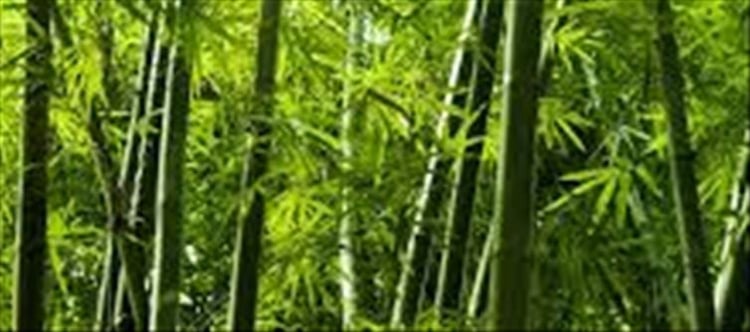

In Sanātana Dharma, bamboo is more than just a plant—it is seen as a symbol of simplicity, resilience, purity, and continuity of life. Across India, especially in rituals and rural traditions, bamboo holds deep cultural and spiritual meaning.
🌱 1. Bamboo as a Symbol of Life and Continuity
Bamboo is unique because it:
- Grows rapidly yet stays strong
- Survives in diverse environments
- Expands through underground networks
Because of this, it is often seen as a symbol of:
- Growth without ego
- Strength with flexibility
- Life continuing through generations
👉 In spiritual interpretation, bamboo reflects how life should be—strong, simple, and adaptable.
🪔 2. Role in Rituals and Sacred Practices
Bamboo is widely used in Hindu rituals and ceremonies.
Common uses include:
- Making sacred structures (mandaps)
- Creating pandal frameworks for festivals
- Used in yajna and puja setups
- Supporting ritual decorations and offerings
Its natural purity makes it suitable for sacred spaces.
🎍 3. Connection with Festivals
Bamboo plays an important role in indian festivals such as:
- Raksha Bandhan – used in decorative setups and traditional offerings
- Durga Puja – bamboo structures form the base of pandals
- Onam – used in decorations and traditional art forms
👉 These festivals use bamboo to represent simplicity and community effort.
🧘 4. Spiritual Symbolism in Sanātana Thought
In philosophical interpretation, bamboo represents:
🌿 Humility
It grows tall but remains hollow—symbolizing ego-less existence.
🌬️ Flexibility
It bends with the wind, representing adaptability in life.
🕊️ Inner emptiness
The hollow structure symbolizes the idea of inner space or detachment, often associated with spiritual growth.
🏡 5. Everyday Cultural Importance
Beyond rituals, bamboo is deeply embedded in indian life:
- Houses and rural architecture
- Musical instruments (like flutes)
- Household items and crafts
- Eco-friendly living practices
👉 The bamboo flute (bansuri) is especially significant in devotional traditions, often associated with Lord Krishna’s divine music.
🌏 6. Environmental and Dharmic Balance
Sanātana dharma emphasizes living in harmony with nature, and bamboo represents that principle well:
- Renewable resource
- Minimal environmental harm
- Supports sustainable living
👉 It reflects the dharmic idea of living responsibly within nature, not against it.
📌 Final Takeaway
Bamboo in Sanātana dharma is not just a material—it is a spiritual metaphor for life itself:
- Grow with strength 🌱
- Stay humble 🎋
- Adapt without breaking 🌬️
- Live in harmony with nature 🌏
In essence, bamboo teaches that true strength lies in simplicity, flexibility, and balance.
Disclaimer:
The views and opinions expressed in this article are those of the author and do not necessarily reflect the official policy or position of any agency, organization, employer, or company. All information provided is for general informational purposes only. While every effort has been made to ensure accuracy, we make no representations or warranties of any kind, express or implied, about the completeness, reliability, or suitability of the information contained herein. Readers are advised to verify facts and seek professional advice where necessary. Any reliance placed on such information is strictly at the reader’s own risk.
 click and follow Indiaherald WhatsApp channel