
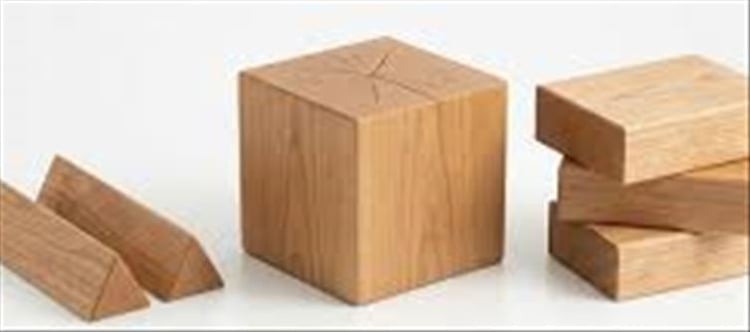


Jamun wood, derived from the tree commonly known as indian blackberry, has been traditionally used in parts of india for household and rural water treatment. The tree, scientifically known as Syzygium cumini, is valued not only for its fruit but also for its wood, which is believed to have natural properties that help improve water quality.
Why Jamun Wood Is Used in Water Purification
The use of Jamun wood in water treatment is based on traditional knowledge and some natural characteristics:
- It may help reduce microbial load in water
- It is believed to release natural compounds that improve clarity
- It can aid in settling suspended impurities
- It has been used as a low-cost, rural purification method
In many communities, wooden sticks or chips are placed in stored water containers as a natural purification aid.
How It Is Traditionally Used
The method is simple and has been practiced in rural households:
1. Wood Preparation
- Clean and dry pieces of Jamun wood are selected
- Bark is usually removed to avoid contamination
2. Immersion in Water
- Small pieces are placed in storage containers or clay pots
- Water is left undisturbed for several hours or overnight
3. Natural Action
- The wood interacts with water, helping reduce impurities
- Sediments may settle at the bottom of the container
Scientific Perspective
While traditional practices support its use, modern scientific validation is still limited.
Research discussions suggest:
- Some hardwoods may exhibit mild antimicrobial activity
- Natural tannins in certain woods could influence water clarity
- However, effectiveness varies widely and is not standardized
Therefore, it is considered a supportive or supplementary method, not a replacement for modern purification systems.
Benefits of Using Jamun Wood
- Low-cost and locally available in many regions
- Eco-friendly and chemical-free approach
- Easy to use in rural or resource-limited settings
- Supports traditional sustainable practices
Limitations and Cautions
Despite its traditional use, there are important limitations:
- Does not guarantee complete removal of harmful pathogens
- No standardized dosage or treatment time
- Quality of wood can affect results
- Not a substitute for boiling, filtration, or RO systems
For safe drinking water, it should ideally be combined with proven purification methods.
Modern Alternatives for Safe Water
Today, safer and more reliable methods include:
- Boiling
- Activated carbon filters
- UV purification systems
- Reverse osmosis (RO) systems
These methods provide consistent protection against bacteria, viruses, and chemical contaminants.
Conclusion
The use of wood from Syzygium cumini (Jamun) in water purification reflects an interesting blend of traditional knowledge and natural resource use. While it may offer some benefits in rural settings, it should be viewed as a supplementary method rather than a fully reliable purification solution. Combining traditional practices with modern technology ensures safer and healthier drinking water.
Disclaimer:
The views and opinions expressed in this article are those of the author and do not necessarily reflect the official policy or position of any agency, organization, employer, or company. All information provided is for general informational purposes only. While every effort has been made to ensure accuracy, we make no representations or warranties of any kind, express or implied, about the completeness, reliability, or suitability of the information contained herein. Readers are advised to verify facts and seek professional advice where necessary. Any reliance placed on such information is strictly at the reader’s own risk.
 click and follow Indiaherald WhatsApp channel