


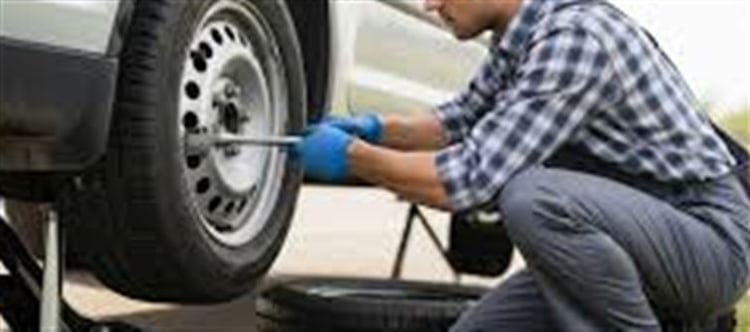

Getting a flat tyre on the road can be stressful, especially if there’s no mechanic nearby. Knowing how to handle a car puncture safely and efficiently can save time, money, and prevent further damage to your vehicle. This guide walks you through professional tips to manage a flat tyre.
1. Stay Safe First
Before attempting any repair or replacement:
- Move to a Safe Location: If possible, drive slowly to a safe spot away from traffic.
- Turn on Hazard Lights: Alert other drivers.
- Engage Handbrake: Prevents the car from moving unexpectedly.
- Use Wheel Wedges: Place them under other wheels for added safety.
Safety is the top priority before handling the tyre.
2. Know What’s in Your Car
Ensure your vehicle has the following tools:
- Spare tyre (donut or full-size)
- Jack for lifting the car
- Lug wrench for removing wheel nuts
- Tyre repair kit or sealant for temporary fixes
- Air pump or portable inflator
Knowing your tools’ location and functionality saves precious time in emergencies.
3. Options to Handle a Puncture
There are several ways to deal with a flat tyre, depending on the situation:
a. Temporary Sealant Fix
- Modern tyre sealants can temporarily seal small punctures.
- Remove the object causing the puncture if visible.
- Inject sealant into the tyre and inflate it with a portable pump.
- Drive carefully to a service station for a permanent repair.
b. Use the Spare Tyre
- Loosen lug nuts slightly before lifting the car.
- Use the jack to lift the car at the designated point.
- Remove the flat tyre and mount the spare.
- Tighten lug nuts in a crisscross pattern.
- Drive cautiously and get the flat tyre repaired or replaced.
c. Run-Flat Tyres
- Some vehicles have run-flat tyres that allow limited driving even when punctured.
- Check the tyre manufacturer’s instructions for speed and distance limits.
4. Step-by-Step Guide to Change a Tyre
Park Safely: Flat surface, handbrake on, hazard lights on.
Loosen Lug Nuts: Slightly, before lifting the car.
Lift the Vehicle: Use the jack at the recommended jacking point.
Remove the Flat Tyre: Fully unscrew lug nuts and take off the tyre.
Mount the Spare: Align the wheel studs and screw nuts by hand first.
Lower the Car: Slowly, then tighten nuts in a crisscross pattern.
Check Pressure: Ensure the spare is inflated to the correct PSI.
5. Tips for Professional Handling
- Never use excessive force: This can damage wheel nuts or the wheel itself.
- Check tyre condition regularly: Early detection prevents roadside emergencies.
- Keep a tyre repair kit in your car: Useful for minor punctures.
- Know your vehicle’s jacking points: Incorrect lifting can damage the chassis.
- Replace the spare quickly: Don’t rely on the temporary tyre for long trips.
6. When to Seek Professional Help
- Large punctures, sidewall damage, or tyre blowouts.
- If the spare tyre is also damaged or missing.
- When you don’t have a jack, wrench, or sealant.
Calling a roadside assistance service is safer in these scenarios.
Conclusion
A flat tyre doesn’t have to ruin your journey. With the right tools, safety precautions, and step-by-step know-how, you can handle most car punctures like a pro. Regular tyre maintenance, awareness of tyre repair kits, and knowledge of spare tyre replacement are key to staying safe and mobile on the road.
Disclaimer:
The views and opinions expressed in this article are those of the author and do not necessarily reflect the official policy or position of any agency, organization, employer, or company. All information provided is for general informational purposes only. While every effort has been made to ensure accuracy, we make no representations or warranties of any kind, express or implied, about the completeness, reliability, or suitability of the information contained herein. Readers are advised to verify facts and seek professional advice where necessary. Any reliance placed on such information is strictly at the reader’s own risk.
 click and follow Indiaherald WhatsApp channel