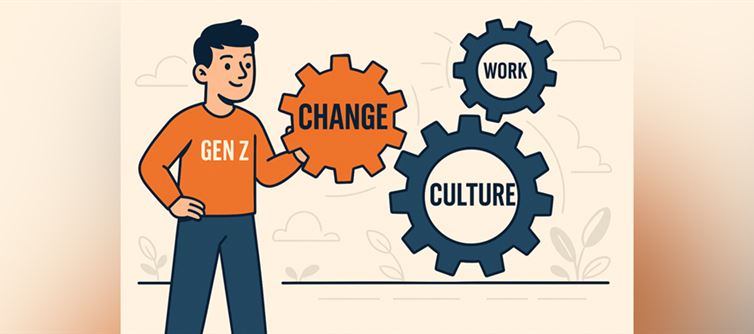
Hail Gen Z Heroes - Crushing Toxic Work Culture with Courage and Class
Imagine breaking the news of your uncle’s death—your second father—to your boss, only to be told, “Client won’t wait.” That’s not a nightmare; it’s the chilling reality captured in a viral whatsapp chat posted on X. This isn’t just a clash of priorities—it’s a savage indictment of India’s toxic work culture. The Death Blow: A Manager’s Callous Dismissal of Grief whatsapp thread starts with raw vulnerability: “Sir, I just informed you that my uncle passed away last night. I need to be with my family today.” The employee’s plea, timestamped 23:19, is a cry for compassion. The response? A gut-punch at 23:21: “But today is a client meeting. It’s vertigo important. You can attend the meeting and then go. It’s like he is not your parent.” This isn’t oversight; it’s a deliberate dehumanization. The manager doesn’t just prioritize profit—he erases the employee’s loss, reducing a family tragedy to a scheduling inconvenience.culture where empathy is a liability. The employee’s uncle, a second father, deserves mourning—not a meeting. Yet, the boss’s words drip with contempt, setting the stage for a confrontation that’s as heartbreaking as it is infuriating.The Employee’s Rebellion: A Stand Against corporate Tyranny workers as cogs, not people.The Manager’s Meltdown: A Power Trip Crumbles Under Scrutiny corporate power. A boss who can’t handle a human response to death has no business leading. The “client won’t wait” excuse crumbles when the employee reveals his relentless dedication—proof that loyalty is a one-way street in this toxic setup.The Bigger Picture: India’s Work culture on Trial october 2, 2024, citing cases like Ernst & Young’s toxic pressures. The employees’ stand mirrors a rising tide—young workers refusing to trade family for firms.The Verdict: Humanity vs. Profit—Who Wins?
Find out more:
Pushpa Telugu Movie Review, Rating
పుష్ప తెలుగు సినిమా రివ్యూ ,రేటింగ్
This Vada Pav Seller Outsmarted the Entire Tax System — Who’s Really Financially Illiterate Here?
A Blind Mother, a Broken Son — Still Support Modi and BJP? You Deserve Hell
What’s Killing Tamil Nadu Faster — Cancer or Governance Failure
No Woman Is Safe in Delhi — 509 Women and 191 Minors Missing In Just Two Weeks
“No One Is Illegal” — Unless They’re at Billie Eilish’s Gate
UPSC Just Nuked Comeback Dreams — New CSE Rules Will Crush Repeat Aspirants
Dhiman Chakma — An IAS Caught With Cash, Power and Zero Shame
Epstein's Hidden Trapdoor to the Abyss — Were Victims Fed to Sharks?
Before Modi, Leaders Respected Rivals — How Parliament Lost Its Soul
M.K. Stalin Alleges BJP Refuses Funds Since Election Results Are Known
The Fatty Liver: Foods That Help Cleanse and Detoxify the Liver
Sunny Leone’s “Kennedy” Now Streaming on JioCinema
Supreme Court Lifts High Court Stay on Tamil Nadu Law Allowing State Government to Appoint Vice-Chancellors
Tamil Nadu Government Announces Salary Hike for Village Panchayat Sanitation Workers
Minister Sekarbabu Inspects Ongoing Development Projects Worth ₹14.63 Crore in Thiruvottiyur Constituency
Former AIADMK MLA Haridas Joins DMK in the Presence of Chief Minister M.K. Stalin at Tindivanam
MS Dhoni on Rohit Sharma and Virat Kohli’s 2027 World Cup Prospects ..
Annamalai Quits TN Poll Role Over Father’s Health ..?
Do Men Really Age Faster Than Women?
8 Reasons to Have Ajwain Water Daily
Fish Oil vs Flaxseed Oil: One Boosts Your Heart Faster – Here’s Why
Feeling Sleepy Every Afternoon? Experts Say This Vitamin Deficiency Could Be the Culprit
iPhone 17 Pro Nearly ₹50,000 Off: Here's How To Get This Deal
8 Powerful Health Benefits of Giloy That Make It India’s Ultimate Immunity Herb
Apple’s First Foldable iPhone May Break All Design Rules:
Tingling in Fingers: Is It a Vitamin Deficiency?
CTET February 2026: Exam Dates, Schedule, and Important Information
India–EU Trade Deal debate around whether lower priced luxury cars will really arrive in India 👇
Yamaha’s First Electric Scooter Arrives: Is the EC-06 Worth ₹1.68 Lakh?
Retirement Age Hike Update: Will It Increase by Two Years?
Review of the Redmi Note 15 Pro+ 5G — a rugged yet refined smartphone that reviewers describe as “built like a tank, behaves like a gentleman” 👇
Adani Group and Italian Major Leonardo Partner to Establish Helicopter Manufacturing Ecosystem in India
Auto Sales & Demand Highlights (January 2026)
When is the Holy Month of Ramadan Likely to Begin? Your Complete Guide
RRB ALP Exam City Slip & Schedule Updates (Feb 2026)
University of Science and Technology (UST), South Korea fully funded scholarships for 2026
UP BEd JEE 2026 notification and registration update —
Month of Falgun Has Officially Started: Your Complete Guide to Dates, Celebrations, and Rituals
Sankashti Chaturthi: Should You Celebrate on 4th or 5th February?
Why one should never eat the prasad offered to the Shivling
iPhone Air 2: Launch Date, Price, Specifications, Camera, Battery & Design
📌 What Is the Codex App for macOS?
📱 iOS 26.3 Release Date in India, Compatible iPhones, New Features & Details
Samsung Unpacked 2026 Event Date Leaks Online — Galaxy S26 Ultra, S26 & More
Google Pixel 10a in India: Launch Date, Price, Size, Design, Specs & Camera (2026)
Millions of Phones Are at Risk: New Android Malware Can Steal Your Data
Having Surgery? Doctors Say Avoid These 7 Teas
How Nail Changes Predict Internal Health Shifts Early
Why Cooking With Bone Broth Might Be Better Than Supplements
5 Routine Health Tests That Can Help Catch Cancer Early
World Cancer Day 2026: When Is It Observed? Check Date, Theme, and Significance
How Many Push-Ups a Day Are Enough? Health Benefits Explained
Hero Xoom, Destini, Xtreme and Glamour X Help the Brand Achieve Strong Sales Momentum
FASTag KYV Relaxation Explained: How It Makes Toll Payments Easier for Drivers
Not Planned, Yet Perfect: How Harshvardhan Bagged These Romantic Films .. ?
Swift, Dzire, Brezza Fuel Maruti Suzuki’s 12 % YoY Sales Rise in January 2026
Toyota Confirms Global Reveal Date of New Three-Row SUV:
5 Major SUV Launches In February 2026 You Can't Miss
Mercedes Benz CLA EV — which is set to debut in India this April 2026:
Honda Cars India Sales Fall in January as Exports Drop Sharply:
Who Was Hamza? The Real Ruler of Lyari
COMEDK Registration 2026: Apply at comedk.org by March 16
TGPSC Recruitment 2026: OTR Updation Now Mandatory for Future Job Applications
Simple High-Protein, Low-Carb Soya Chunk Salad Recipe for Healthy Eating
5 Things To Check Before Buying a Washing Machine To Avoid a Wrong Purchase
DIY Orange Peel Face Mask for Radiant and Glowy Skin
Bathua For Fatty Liver: A Natural Solution For Fatty Liver Problems
Coffee Benefits: Your Daily Cup of Happiness and Health
National Literary Fest VANI 2026: A Cultural Moment in Delhi to Highlight Literature, Culture & Ideas
5 Affordable DIY Hacks to Revamp Your Boring and Plain Walls
How To Stay Focused While Studying At Home: Focus Hacks That Actually Work
Why Your Joint Pain Gets Worse in Winter: Doctor Explains
6 Ways to Identify Traditional Indian Sarees Just By Looking: Kanjivaram, Banarasi & More
Why Daily Movement Is Safer For Your Joints Than Intense Weekend Sessions
iQOO 15 Ultra Camera Specs & Key Features Confirmed Ahead of Launch
OPPO A6i+ 5G and A6v 5G Launched in China: Price, Specs & Key Features
Sony Patents Buttonless PlayStation Controller With Touch and Gesture Input
India’s Semiconductor Mission 2.0: A Bold Step Toward Becoming a Global Chip Powerhouse
Apple’s Foldable Phone: Apple’s Flip iPhone Could Challenge Samsung’s Dominance in the Foldable Market
Xiaomi to Open Service Centres in 15 New Cities to Boost After Sales Support
IISER Recruitment 2026: Notification Out for Various Non Teaching Posts
WhatsApp Privacy Policy Row: SC vs Meta (Feb 2026)
🌺 What Is the Ladli Behna Scheme?
Cheap Alternative to Blueberries Can Help Your Heart
📍 What’s New: TS Hall Tickets 2026 Released
📘 Bihar Police ASI 2026 — Exam Overview
Natural Fruit Can Replace Sugar on Your Table
Morning vs Evening Workouts: Which Is More Productive?
6 Foods That Help You With Muscle Recovery
Why You Should Consider Moringa Sanitary Pads: Expert Insights
Scientists Reveal the Reasons Why Tofu is Better Than Paneer
Water vs Yogurt: The Right Way to Eat Chia Seeds, Explains Expert
Prenatal Vitamins vs Multivitamins: Experts Reveal What Women Need
Dhurandhar vs Border 2: Box Office Clash on Day 12 ..?
Andhra CM Naidu Supports Saffron Cultivation ..?
Is Hansika Motwani’s Marriage Already Over? From Fairytale Wedding to Silent Breakup
With Love Movie Review – Not Flashy, But Faithful
Bhagyashree shared the secret of her healthy living on social media ..?
Malayalam OTT Releases This Week: What to Watch and Where
CM M.K. Stalin: “We Must Fulfill the Needs of Every Resident in Tamil Nadu”
CM Stalin: “We Listen to and Fulfill Every Citizen’s Requests in Tamil Nadu”
Youthful Glow: Kushboo’s Timeless Beauty in Latest Viral Clicks
14 Years in Cinema: Sivakarthikeyan Congratulated by Wife Arthii
Suri Undergoes Intense Sea Training for Mandadi
Latest Update from the Team of Aazhi
World Rankings Update: Djokovic and Rybakina Make Gains
Mammootty to Play Villain Opposite Dhanush?
Daily Horoscope: February 4, 2026 – Aries to Pisces
India and Bhutan Strengthen Cooperation in Power Sector
CM Stalin to Launch ‘My Dream, My Future’ Initiative in Thindivanam
Fuel Switch Issue Strikes Again: Air India Inspects Boeing 787 Aircraft
Chennai Metro Rail Reports Revenue Growth Last Year
Strict Action for Revealing Fetal Gender Abroad During Scan
Senior Educationist S.S. Rajagopalan Passes Away: CM Stalin Expresses Condolences
Ken Karunas’ Youth Set to Release in March
Director H. Vinoth Moves to Next Projects After Jana Naayagan
Ajith’s 64th Film to Be Produced by AK Company
Ilaiyaraaja Gives Update on His Second Symphony
With Love Gets ‘U’ Certificate in Censor: Details Inside
‘Nandan’ Sequel in the Works: Director Confirms
Navya Nair Prepares to Direct Her First Film
Mammootty Joins Dhanush in D55: Exciting Update
What Rajinikanth Said After Watching With Love — Here’s the Reaction
Why were the agriculture and dairy sectors excluded from the trade deal?
Bengal Elections 2026: Mamata Banerjee’s Supreme Court Move ..
Will RBI Cut Repo Rate Again?
Dhurandhar Creates History at the Indian Box Office ..?
Mardaani 3’ Makes a Strong Mark Against ‘Border 2’ ..?
Celina Jaitly Breaks Silence on 15-Year Marriage Breakdown ..?
Border 2 Box Office Day : Film Recovers 100% Budget in Two Weeks ..?
Superstar Joins Dhanush in ‘D55’: Official Announcement Out
Winter Benefits of Guava: Why This Fruit Is a Powerhouse
Want a Long and Healthy Life? These Things Are Key
World Cancer Day 2026: Steps to Improve Your Health and Reduce Risk
Gold Prices Shock Buyers: Today’s Rates in Chennai
Job Opportunity at BSNL: Engineers Can Apply
Today’s Horoscope – 04.02.2026: A Day to Make New Friends!
Women’s Premier League: Delhi Enters Finals After Beating Gujarat
Ricky Ponting Opens Up: “I Begged Not to Drop Abhishek”
Russia Clarifies: No Official Notice of India Halting Crude Oil Imports
Chilling Fun: “Ice Ploting” Game Captivates People in Moscow
PM Modi Says India-US Trade Deal Will Not Compromise Farmers’ Interests
New Bus Service Launched from Munnar to Thiruvananthapuram and Kozhikode
Train Service Update: Southern Railways Operates on Diversion for Track Maintenance
Tamil Nadu Government Hikes Honorarium for Sanitation Workers to ₹6,000
CM Stalin Condemns Suspension of Opposition MPs
How Much Gold Can You Bring from Abroad Without Paying Tax?
Madhavan’s ‘Legacy’ Web Series Teaser Grabs Attention
Three State Awards for an Unreleased Film? Film Industry Left Stunned
Rajamouli–Mahesh Babu Team Up for ‘Varanasi’: Is This One of India’s Costliest Films?
CM Stalin Slams Suspension of Eight Opposition MPs, Questions BJP’s Fear of Debate
CM Stalin Condemns Suspension of Eight Opposition MPs
CM Stalin Distributes Welfare Assistance to 13,800 Beneficiaries in Villupuram
CM Stalin Pays Tribute to Veteran Educationist C. C. Rajagopalan
DMK’s Manifesto Mission Begins: Public Voices Take Center Stage in Chennai
Bihar Police ASI Eligibility Criteria 2026: Check Educational, Age, and Physical Requirements
JPSC Apply Online 2026 Begins at jpsc.gov.in for Combined Civil Services
HSSC Stenographer Recruitment 2026: Notification OUT for 1952 VacanciesHSSC Stenographer Recruitment 2026: Notification OUT for 1952 Vacancies
Surajkund Mela 2026: Dates, Tickets, Entry Gates, Stalls, Metro Route and Everything You Need to Know
Why Your Feet Smell After Taking Off Shoes – And How a Simple Tea Bag Can Help
Get a Natural Glow This Valentine’s Day With This Magical Homemade Face Pack
Fridge Safety Tips: Never Keep These Things on Top of the Fridge
WhatsApp Status and Channels Explained: What User Data Is Collected
February 2026 Smartphone Launch Line-Up: Flagship Giants and Camera Phones
Smart WhatsApp Security Practices: Five Effective Ways to Protect Your Account
Dealing With Harassment or Online Disputes on Instagram: Practical Steps
Samsung Galaxy S26 and S26+: Learn All About Leaked Specifications and Features
Should Wi-Fi and Mobile Internet Be Turned Off at Night? What Science Really Says
Samsung S26 Ultra vs iPhone 17 Pro Max: Who Truly Rules Smartphone Photography? 5 Key Camera Differences Explained
Midriff, Mood, Mastery — Rakul Preet Singh Does Seduction the Quiet Way
First Sale Begins for Smartphone with Triple 50MP Cameras, Heavy Discounts
OpenAI Makes Coding Faster: Codex App Launch Promises to Double Developers' Productivity
Scorpio and Creta Slip as ₹8 Lakh SUV Steals the Spotlight in January Sales
🚗 What Is Zero Depreciation Insurance? (Quick Overview)
Financial Freedom Guide 2026: Don’t Rely Solely on Your Salary, Increase Your Income
🇮🇳 What is the PM Vishwakarma Scheme 2026?
PPF investment trick that can help you earn effectively one extra month of interest every year without increasing the amount you invest
PM Mudra Yojana 2026: Now You Can Get a Loan of Up to ₹20 Lakh Without Collateral
EPFO Update 2026: Salary Limit for PF Deduction May Be Raised to ₹25,000
Now Aadhaar Can Be Updated from Home — Offline Verification, New Features, and What You Need to Know
White vs Blue Aadhaar Card: Key Differences, Eligibility, Application Process, and Important Rules
Strapless, Fearless — Sreeleela Reclaims the Spotlight
WhatsApp Becomes a Virtual Panchayat Office: What Is PANCHAM, How It Works, and Why It Matters
WhatsApp’s New Lockdown Security Feature Promises Maximum Protection
IIT Madras Summer Fellowship 2026: An Amazing Opportunity for Students to Gain Research Experience
RTE Admissions: An Opportunity for Free Education in Private Schools
Board Exam 2026: How to Write in Board Exam Answer Sheets?
Rashtrapati Bhavan ticket booking and visiting the President’s official residence for just ₹50
After RRR, Expectations Were Impossible—So Rajamouli Went Bigger With 'VARANASI'
📢 India Post GDS Recruitment 2026: Golden Opportunity for Government Jobs
PM Kisan 22nd Installment: Expected in February 2026
Pooja Hegde Says ‘Enough’ — Don't Ask Me 'THAT'
Pooja Hegde Powers Through 120-Day Marathon for Kanchana Franchise
⚠️ Internship Scams: The Hidden Trap
PM Vishwakarma Scheme 2026: Government Support for 18 Traditional Trades — Big Boost for Artisans
🏠 Rent vs Buy a House: The Big Question
PM Mudra Yojana 2026: Get Up to ₹20 Lakh Loan Without Collateral — Even With 8th Pass!
Ayushman Bharat Yojana 2026: Create Your Ayushman Card from Mobile, Get Free Healthcare Benefits
CSIR CRRI Recruitment 2026: Government Job Opportunities You Should Know About
NASA: Perseverance Rover Makes History — Drives on Mars Using AI!
Empowering 140+ Indians within and abroad with entertainment, infotainment, credible, independent, issue based journalism oriented latest updates on politics, movies.




 click and follow Indiaherald WhatsApp channel