
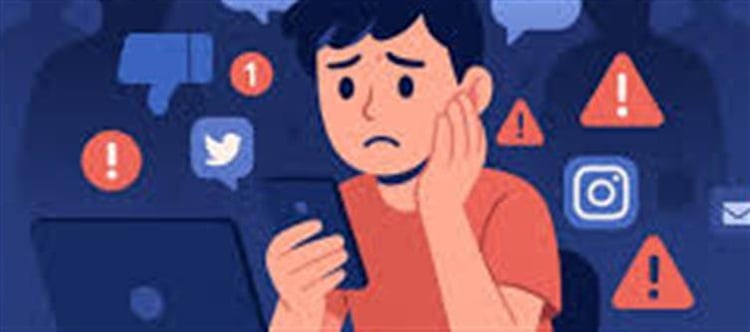


Social media platforms like instagram have transformed the way we connect, share, and communicate. However, alongside the benefits, these platforms can also expose users to harassment, bullying, or online disputes. Whether it’s unwanted messages, hurtful comments, or public arguments, knowing how to respond safely and effectively is essential. Here’s a practical guide for handling such situations.
1. Recognize the Problem Early
The first step is identifying harassment or online disputes. Common forms include:
- Offensive or threatening messages via direct messages (DMs).
- Negative or abusive comments on posts or reels.
- Impersonation or fake accounts targeting you.
- Public arguments that escalate quickly in comments or threads.
Understanding the type of harassment is important, as it will determine your next steps.
2. Document Everything
Before taking action, keep records of abusive content:
- Take screenshots of messages, comments, or posts.
- Note the date and time of the incident.
- Save URLs of offending content or profiles.
This documentation is crucial if you need to report the harassment to instagram, law enforcement, or other authorities.
3. Use Instagram’s Built-in Safety Tools
Instagram provides several tools to protect users:
- Block: Prevents the harasser from viewing your profile or contacting you.
- Restrict: Limits interactions without alerting the other person; restricted accounts can comment but only you and the user see them.
- Report: Report abusive messages, posts, or accounts directly to instagram for review.
- Privacy Settings: Consider switching your account to private, restricting who can comment, or limiting DMs to followers only.
4. Avoid Escalating the Situation
Responding impulsively or aggressively often worsens online disputes. Experts recommend:
- Don’t engage with the harasser.
- Avoid public arguments, which can attract more attention.
- Take a break from social media to reduce stress and anxiety.
5. Seek Support
Harassment can take an emotional toll. Consider:
- Talking to friends, family, or mentors about the situation.
- Consulting mental health professionals if the harassment affects your well-being.
- In serious cases, contacting local authorities if threats or illegal activity occur.
6. Know When Legal Action Is Necessary
In extreme cases, such as repeated threats, stalking, or impersonation, legal intervention may be required. Documentation collected earlier will help law enforcement. Many countries have cybercrime laws protecting users from online harassment.
7. Practice wallet PLATFORM' target='_blank' title='digital-Latest Updates, Photos, Videos are a click away, CLICK NOW'>digital Hygiene
Prevent future harassment by:
- Regularly reviewing privacy settings.
- Being cautious about sharing personal information online.
- Using strong passwords and enabling two-factor authentication.
Bottom Line
While instagram offers tools to protect users, staying safe online also requires awareness, caution, and emotional self-care. The key is to document, protect, and avoid escalating, while seeking support when needed. No one should tolerate harassment, and proactive steps can make your online experience safer and more positive.
Disclaimer:
The views and opinions expressed in this article are those of the author and do not necessarily reflect the official policy or position of any agency, organization, employer, or company. All information provided is for general informational purposes only. While every effort has been made to ensure accuracy, we make no representations or warranties of any kind, express or implied, about the completeness, reliability, or suitability of the information contained herein. Readers are advised to verify facts and seek professional advice where necessary. Any reliance placed on such information is strictly at the reader’s own risk.
 click and follow Indiaherald WhatsApp channel