The Korean Game That Brainwashed Into Suicide — How a Secret Online Game Drove Three Sisters to Leap From the 9th Floor
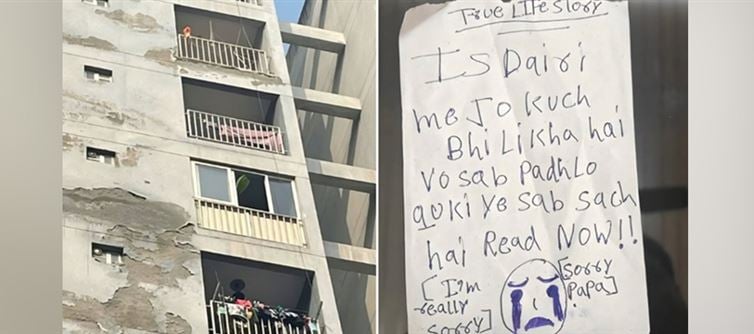
In the dead of night, at 2 AM, three sisters – Vishika (16), Prachi (14), and Pakhi (12) – climbed to the ninth floor of their ghaziabad apartment and jumped to their deaths together. No screams, no struggle, just a synchronized plunge into oblivion. What sounds like the chilling opener of a demonic possession film was brutally real: not ghosts, but a toxic obsession with an online Korean task-based game that allegedly pushed self-harm and ultimate sacrifice. Police recovered an eight-page suicide note scrawled with devotion: "Papa, sorry. Korea is our life. Korea is our biggest love. Whatever you say, we cannot give it up." These girls didn't just play a game – they surrendered their identities, futures, and lives to it. parents , wake up: unrestricted phones in kids' hands aren't tools – they're loaded weapons. The Midnight Leap That Shattered a Family mobile screens during COVID lockdowns. This wasn't impulse; it was the final "task" in a game that had already stolen their souls.The 8-Page Suicide Note That Reads Like a Cult Manifesto mobile rituals, and unbreakable bond to "Korea." They had abandoned their real names for Korean ones, demanding everyone call them that. This wasn't fandom – it was possession by pixels.How COVID Lockdowns Birthed the Addiction Monster school became irregular, then nonexistent. The sisters isolated themselves, doing everything together – eating, bathing, sleeping – allegedly following game "rules." What began as escapism ended in a suicide pact. Lockdowns are over, but the damage lingers in countless homes.The Game's Sick "Tasks": From Self-Harm to Final Sacrifice Parents Blindsided: "They Were Normal Girls Once" father watched helplessly as his daughters slipped away. Once studious and close-knit, they became shadows obsessed with screens. He begged, argued, but the game won. "We cannot give it up," they wrote. This is every parent's nightmare: thinking you're in control while an invisible predator grooms your children through their phones.Korean Obsession Turned Deadly Cult culture – beautiful on the surface, but weaponized in dark corners of the internet. These girls didn't just love Korea; they worshipped it as their "biggest love ," rejecting family, education, and reality. The game exploited teenage vulnerability, turning admiration into fatal devotion. Cultural fascination became a death cult.No Phones for Minors – Full Stop father learned too late; don't join him.Supervision or Funeral – Your Choice ghaziabad tragedy proves leniency kills. One unsupervised night online can end in a lifetime of grief.The Broader Epidemic: How Many More Silent Suicides? Their Deaths Must Wake Us All parents lost control. The horror isn't just the jump – it's that it was preventable. No more excuses. Ban phones for kids, supervise the rest, and expose these games. Or prepare for the next 2 AM tragedy – because it's coming to a building near you.
Find out more:
Pushpa Telugu Movie Review, Rating
పుష్ప తెలుగు సినిమా రివ్యూ ,రేటింగ్
Ready or Not 2: Here I Come Review — Bigger, Bloodier, And Batshit Insane In The Best Way Possible
The Drama Review — The most uncomfortable ‘I do’ you’ll ever witness
Rakasa Movie Review — Wakes Up Late But When It Does, It Delivers
Leader Tamil Movie Review — A Calculated Comeback That Mostly Hits The Target
Selvaraghavan Reflects on Manithan Dheivamagaal Film Crew Experience
Sabareesan Predicts DMK Will Form Government with Absolute Majority
Nooru Saami Update: Release Scheduled for May 1
Kanimozhi Karunanidhi Jokes About EPS Learning Hindi After Elections
Kanimozhi Karunanidhi Criticizes BJP–AIADMK Over Cylinder Gas Shortage
M. K. Stalin Campaigns in Nellikuppam This Evening
M. K. Stalin Consults DMK Leaders on Election Preparations
Palli Chattambi Trailer Update: Release Date Announced
Unusual Pattern in Indian Premier League: Four Matches, Same Result!
Kuthu Set for Re-Release After 22 Years
Suriya Praises ‘Neelira’ as a Film for Those Who Reject War
Kalidas 2 Review: Does This Crime Thriller Live Up to Expectations?
Udhayanidhi Stalin Confident of DMK’s Return to Power in Tamil Nadu
Former AIADMK Union Secretary Joins DMK in Villupuram
M. K. Stalin Welcomes AMMK Functionary into DMK at Anna Arivalayam
M. K. Stalin Holds Virtual Meeting with DMK Constituency Leaders
Kanimozhi Karunanidhi Campaigns in Dindigul, Criticizes BJP–AIADMK Alliance
Healthy on the Label, Not Always on the Plate
🏛 Parliament Officially Declares Amaravati as Andhra Pradesh’s Only Capital
📱 Realme 16 Arrives With Bold Design, Huge Battery, and Mid Range Price Tag
Effective Parenting Strategies for Navigating AI in Education
Are Realme 16’s Camera Features Inspired by iPhone Air?
🔟 Best Acer Laptops With SSD Storage in 2026
Essential Tips for Stress-Free Travel with Babies
Free Android Antivirus Apps: These Are the Best for Security in 2026
Easy and Healthy Vegetable Cutlets Recipe for Kids' Lunch
Top Programming Languages Paying the Highest Salaries
Best Passive Cryptocurrency Income in 2026: AI Trading Bots vs. Cloud Mining
Understanding Rudraksha: The Spiritual Significance of Shiva's TearsUnderstanding Rudraksha: The Spiritual Significance of Shiva's Tears
Essential Tips for Keeping Your Coffee Fresh and Flavorful
🧾 How to Apply for a PAN Card Online: Complete Step by Step Guide
📑 How to Transfer Your PF Online: Step by Step Guide to Move EPF Balance Easily
📱 How to Delete Your WhatsApp Account Permanently: Step by Step Guide for Android & iPhone
Delicious Spiced Sweet Potato Curry Recipe
📱 WhatsApp Brings Back Online Contacts List in a Smarter Way — No More Opening Each Chat
Delicious Creamy White Sauce Pasta Recipe for Home Cooking
🦴 Health Tips: Consume These Dry Fruits to Strengthen Your Bones — Let’s Learn More
🚴♂️ Bike Tips: How Often You Should Check Your Bike’s Tire Air Pressure — Get All the Details
🚗 Challan Update: Didn’t Wear a Seatbelt While Driving? Here’s How Much Your Fine Could Be
Delicious Matar Kachori Recipe for a Perfect Breakfast
Enhance Your Relationship with These 5 Vastu Tips
🩺 Health Tips: Are You Suffering from Blood Pressure Issues? Keep These in Mind
📱 WhatsApp 2026 Update: Unified Call Button, Smart Business Tools & Advanced Chat Customization
Effective Yoga Poses to Alleviate Constipation
Transform Your Home's Energy with Thoughtful Art Choices
📱 WhatsApp 2026 Update: A Smarter, More Expressive Messaging Experience
⚠️ Government Warns Desktop Chrome Users: What You Need to Know
Unlock the Benefits of Face Yoga for a Youthful Appearance
🍉 Testosterone Boosting Fruits: Natural Support for Hormone Health
📱 WhatsApp 2026 for iPhone: Payments, Privacy, and Smarter Messaging Features
Healthy Alternatives to Satisfy Your Sweet and Salty Cravings
Effective Ways to Alleviate Teething Pain in Babies
📱 WhatsApp 2026 Update: What’s New and Why It Matters
📌 New Income Tax Rule: What It Means If You Pay Rent Above ₹50,000
Fatty Liver Without Alcohol: Understanding Non-Alcoholic Fatty Liver Disease (NAFLD)
Effective Breakfast Ideas to Combat Bloating
five powerful things Apple is expected to unveil with iOS 27 at WWDC 2026
Delicious Matar Kachori Recipe: A Crispy Delight
📱 WhatsApp’s New ‘Read & Disappear’ Feature: Messages May Vanish After Being Read
⚠️ Fake WhatsApp Spyware Alert 2026: How Malicious Apps Are Secretly Tracking Users
Top Anti-Aging Foods to Keep Your Skin Radiant
🚀 NASA’s 433 Year Nuclear Battery: A Power Breakthrough for Deep Space
🧠 What Sparked the Outrage: Viral Claims About X Removing Video Link Copying
Delicious Dhaba-Style Methi Matar Malai Recipe
Ration Card: Has Your Ration Card Been Deactivated? Here Is How to Reactivate It
📢 Important News for Taxpayers: These Income Tax Rules Change Starting April 1, 2026
ATM Tips: How to Avoid Paying ₹23 Charges on Cash Withdrawals
Understanding Young Adult Development: Navigating Parental Guidance
💻 Tech Tips: Looks Aren’t Everything — Key Factors to Consider Before Buying a Gadget
Nurturing Emotional Presence: A Guide for Parents
Delicious Holi Special Namak Pare Recipe to Celebrate the Festival
🧪 UPSSSC Pharmacist Exam 2026: Main Exam & Recruitment Details
Understanding Collagen Deficiency: Signs and Solutions
The Importance of Soaking Lentils for Better Health
📝 UPSSSC PCS 2025: Lower PCS Syllabus Released — Know the Exam Pattern & Questions to Be Asked
🛣️ Cashless Toll Rollout Delayed: India Pushes Digital Only Highway Payments
Quick and Easy Recipe for Homemade Chili Flakes
🇮🇳 NIC Recruitment 2026: Apply for 243 Scientist B Posts at the National Informatics Centre
Strong Credit Score? Win Up to ₹1 Lakh with ’s CPL 2.0 — Here’s How to Participate and Win
New Job? Do Not Be Afraid of the New Environment — Learn from It and Step Forward
Quick and Delicious Nepali Potato Pickle Recipe
📚 Free Coaching in Kota: Want to Prepare for JEE & NEET Without Paying Fees?
Quick and Delicious Hot Milk Cake Recipe
CBSE Releases New Curriculum for the 2026 27 Session; Major Changes Awaited
Empty Pockets and Heavy Stress? 5 Surefire Ways to Boost Your ‘Financial Wellness’
No PAN Required for Property Purchases Up to ₹20 Lakhs — New Rule Now in Effect
Essential Foods to Boost Immunity During Seasonal Changes
Receive an Alert on Your Phone 40 Minutes Before a Lightning Strike: How It Works and Why It Matters
Jobs: Recruitment for 2 Anthropologist Positions in the Government of India
Essential Tips for Choosing the Right Air Conditioner This Summer
Jobs at the Airport: How to Get Hired and What Salary to Expect
Secure Your Daughter's Future with Sukanya Samriddhi Yojana
JEE Main 2026: How Many Marks Are Required to Qualify?
Great News for Senior Citizens! Get 8.25% Interest on FDs at These Banks
Exploring the Diverse Flavors of Kadhi: A Culinary Journey
JEE Main 2026: Deposit Your Admit Card in the Drop BJEE Main 2026: Deposit Your Admit Card in the Drop Box After the Exam; Otherwiseox After the Exam; Otherwise
Exploring the Sweet Heritage of Punjab: A Culinary Journey
Planning a Trip to Kedarnath? Book Your Helicopter Exclusively Through This Service
Char Dham Yatra: What is the Green Card System? Who Needs It and Why
Delicious Malai Paneer Recipe: A Creamy Delight for Every Palate
How to Prepare for the UPSC Civil Services Examination 2027 Without Stress
Delicious Masala Idli Recipe: Transform Leftover Idlis into a Tasty Snack
Xiaomi’s New Smart TV Arrives April 15: Large Screen and Exciting Features
Scam Alert: Lured by a “Loan in 5 Minutes”? Here’s How to Spot Fake Apps and Save Your Money
Android Auto Update: Listening to YouTube in the Car Just Got Easier
The Significance of Right-Hand Blessings in Culture and Science
Effective Strategies for Helping Your Baby Sleep at Night
Great News for Travelers: Maps Will Now Talk!
📅 Daily Panchang — Friday, April 03, 2026
🌌 Daily Horoscope — April 03 2026 (Friday)
Essential Vastu Guidelines for Home Construction
Whose birthday is on 03 April in India?
Which cricketer was born on 03 April?
Creative Ways to Encourage Picky Eaters to Enjoy Vegetables
What national day is 03 April?
What is the World day on 03 April?
Effective Strategies to Help Shy Children Become More Social
What is the personality of someone born on 03 April?
Unlock Radiant Skin with Japanese Beauty Techniques
What happened on 03 April in history?
What is special about the 03 April?
Essential Yoga and Gym Exercises for Breast Health
Whether social media access may soon be based on age — and what the government is formulating:
Apple’s New Plan: The Look of Upcoming iPhones Is Set to Change – Find Out
📲 DigiLocker Just Got Smarter: Download Electricity Bills with a Single Click
Boost Your Health: The Essential Nuts to Include in Your Diet
Great News for WhatsApp Users: Read Messages Without Opening the Chat!Great News for WhatsApp Users: Read Messages Without Opening the Chat!
When Pooja Hegde Played Taboo in Her Vanity Van Things Went Totally Haywire!
Mike & Nick & Nick & Alice Review — Proof That Too Many Ideas Can Still Create One Brilliant Film
The Mummy Returns But Not Like You Remember—This One Is Pure Horror
Mario Goes Cosmic: Galaxy Ending Teases Bigger, Wilder Future
Wife From Hell Forces Husband to Sleep With Her Friend & Sends Him Porn Videos to “Replicate” – Husband’s Gut-Wrenching Accusations
Invincible Season 4 Just Crossed the Line—Even the Creators Were Shocked
Beer vs Whiskey vs Wine — Why Your Body Reacts So Differently
Aadhav Arjuna Winning Would Be Tamil Nadu’s Biggest Mistake – This Guy Is Pure Political Poison
Neha Singh Rathore Case Sparks Free Speech Debate — Criticism or Crime?
₹65 for Water? Are Cinema Halls Overcharging—or Just Playing the System?
Trump Just Admitted It: “We’re Fighting Wars” So Screw Your Medicare, Daycare, and Medicaid – Billions Go to Israel Instead
Jayalalithaa’s Legacy vs EPS Reality — Why Key SC Leaders Were Shown the Door
Pooja Hegde Just Set the Wife Material Bar So High, No One Else Is Even Close
From LPG to Banks—Modi Govt’s New Rules Drain the Common Man’s Wallet
Keerthy Suresh Opts Out—Pooja Hegde Now in Talks for Bold Remake
India’s Free Speech Crisis Goes Global — Why the US Is Watching India Closely
Shruti Haasan Drops Jaw-Dropping Lavender Saree Photoshoot – Royal Glam Overload!
Temple Puja Turns into Item Song Hell: Half-Nakéd Dancer Twerks While Devotees Watch – How Much Lower Can Tamil Nadu Sink?
Priyanka Mohan’s Blush Pink Saree Look is Pure Fire – This Glow is Unmatched!
Was Andhra’s Election Stolen in the Dead of Night? 17 Lakh Votes After Midnight
“Ramayana” Film Introduces the Character of Rama
Samantha Shares Morning Health Tip: What Not to Do Upon Waking
Kanimozhi: Will Never Allow Attempts to Undermine Religious Rights
CM M.K. Stalin to Campaign in Coimbatore This Evening
DMK Government’s Welfare Schemes Focus on Women: CM M.K. Stalin
“Madras I” Heatwave: Safety Measures and Medical Advice
Udhayanidhi Stalin Confident of DMK Alliance’s Major Victory
CM M.K. Stalin Criticizes AIADMK-BJP Alliance as a Betrayal to Tamil Nadu
Udhayanidhi Stalin Declares Assets: No Ancestral Property or Gold
CM M.K. Stalin Praises Rajiv Gandhi Government General Hospital Staff
Free Metro Bus Rides in Chennai for IPL Ticket Holders
Punjab Captain Shreyas Iyer Praises Cooper Connolly
Shooting Begins for Sourav Ganguly Biopic
SP Balasubrahmanyam Statue Unveiled in Kerala
“Pavazhamalli” Song Crosses 70 Million Views Online
Congress Candidate List to Be Released Tonight: CM M.K. Stalin
Udhayanidhi Stalin Files Nomination in Chepauk Constituency
New Central Bill Is a Direct Attack on Minority Institutions: CM M.K. Stalin
Quality Healthcare Reaching the Last Person: CM M.K. Stalin Expresses Pride
Deputy Chief Minister Udhayanidhi Stalin Files Nomination in Chepauk–Triplicane Constituency
Chief Minister M.K. Stalin Campaigns in Erode
Ramayana Teaser Disappoints — Big Budget, Small Impact?
Supergirl’s 3-Day Countdown Could Change DC’s Future
Wives as Bedroom Slaves? Why Hindu AND Muslim Men Are Losing Their Minds Over One Series That Dares Say ‘No’ Still Means No
They Bought Cheap Russian Oil, Saved Billions Modi Chairs “Protect Citizens” Meet, Then Fires Another ₹195 on Every Commercial Cylinder
Orange Bikini “Hurts Hindu Sentiments” But Orange Gamcha Molesting a Woman in Bihar? Suddenly Silent.
How Vijay’s Team Is Manufacturing “Fan Frenzy” While Risking Lives for Likes — Chaos Sells Better Than Control
₹387 in 4 Months — How LPG Prices Keep Climbing?
DMK, AIADMK, TVK—Who’s Promising More, and Who’s Spending Bigger?
4 Million Married Indians Are Quietly Cheating – Meet the App Built ONLY for Extramarital Affairs
Ground Connect Matters — What Leaders Like Udhayanidhi Stalin Get Right
Brace for Impact: India Faces a Brutal Heatwave from April to June
Marriage Is Not Consent — When Intimacy Turns Into Pain
“Just a Meme, Bro” – How Indian Misogynists Took a Woman’s Marital Rape Trauma and Turned It Into Their New Favourite Punchline
Divyabharathi’s Cut-Out Curves & Sultry Poses Are Pure Pink Poison
April’s Horror Line-Up Is Pure Nightmare Fuel—Are You Ready?
Pooja Hegde Reacts to Viral ‘My Name’ Claims
“Women’s Safety Warrior” or Cold-Blooded Hypocrite? TVK’s RK Nagar Candidate Maria Wilson Just Got Brutally Exposed
Pooja Hegde’s Legs & Lips Are Stealing the Spotlight in This Striped Sizzle
8900 Murders or Misread Data? Piyush Goyal’s Statement Raises Serious Questions
Pooja Hegde Just Made Pizza Porn — Pooja in a Bow-Top & Denim is the Only Meal We Need Tonight
41 Dead, No Tears — But Election Tears Flow Freely?
Empowering 140+ Indians within and abroad with entertainment, infotainment, credible, independent, issue based journalism oriented latest updates on politics, movies.




 click and follow Indiaherald WhatsApp channel