


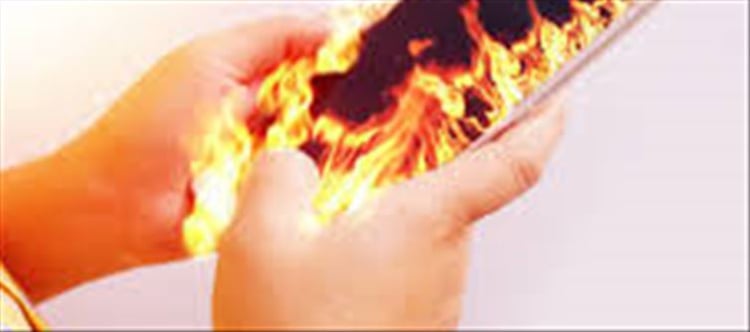

Battery explosions in smartphones are rare, but when they happen, they are usually linked to Lithium-ion battery failures. These incidents often occur due to overheating, physical damage, or unsafe charging habits.
Understanding the risks and avoiding common mistakes can significantly reduce the chances of a dangerous battery blast.
Why Do Phones Explode?
Modern smartphones use Lithium-ion battery. These batteries store a large amount of energy in a compact space.
An explosion or fire usually happens due to:
- Overheating
- Internal short circuit
- Physical damage
- Manufacturing defects
- Unsafe charging practices
When the battery’s internal structure breaks down, it can lead to thermal runaway, where heat increases rapidly and causes fire or explosion.
Never Do This: Dangerous Habits to Avoid
1. Using Cheap or Duplicate Chargers
Low-quality chargers may:
- Deliver unstable voltage
- Overcharge the battery
- Lack safety protection
This is one of the most common causes of battery damage.
2. Charging Overnight Without Protection
Keeping the phone plugged in for long hours can:
- Overheat the battery
- Stress battery cells
- Reduce battery lifespan
Modern phones have protection, but cheap devices may still be at risk.
3. Using phone While Charging Intensively
Activities like:
- Gaming
- Video streaming
- Hotspot usage
These increase heat generation, which can be dangerous during charging.
4. Exposing phone to Heat or Sunlight
Leaving your phone in:
- Cars under sunlight
- Near heaters or ovens
- Hot environments
can trigger battery swelling or failure.
5. Using Damaged Batteries or Phones
Warning signs include:
- Swollen battery
- Sudden heating
- Fast battery drain
- Random shutdowns
Continuing to use such devices is risky.
6. Puncturing or Physically Damaging the Phone
Dropping or crushing a phone can damage internal battery layers, leading to internal short circuits.
7. Using Non-Original Repair Parts
Cheap replacement batteries may lack:
- Proper safety circuits
- Heat resistance
- Quality control
This increases explosion risk.
Warning Signs of Battery Danger
Watch out for:
- Phone getting unusually hot
- Battery swelling
- Burning smell
- Screen lifting from body
- Sudden power drops
If any of these appear, stop using the device immediately.
How to Stay Safe
1. Use Certified Accessories
Always use original or certified chargers and cables.
2. Avoid Overheating
Let the phone cool down if it becomes hot.
3. Keep software Updated
Updates often improve battery management systems.
4. Replace Old Batteries
If your phone is more than 2–3 years old, battery health may decline.
5. Charge in a Safe Place
Use flat, open surfaces while charging.
What Happens During a Battery Explosion?
When a Lithium-ion battery fails:
- Internal temperature rises rapidly
- Gas builds up inside the battery
- Pressure increases
- Battery casing ruptures
- Fire or explosion may occur
This is called thermal runaway, and it spreads very quickly once it starts.
Conclusion
Phone explosions are rare but dangerous. Most cases are caused by unsafe charging habits, poor-quality accessories, overheating, or damaged batteries.
By avoiding risky practices like using duplicate chargers, overheating the phone, or ignoring battery damage signs, you can greatly reduce the risk.
👉 The key rule is simple:
If your phone is hot, swollen, or behaving abnormally—stop using it immediately.
Disclaimer:
The views and opinions expressed in this article are those of the author and do not necessarily reflect the official policy or position of any agency, organization, employer, or company. All information provided is for general informational purposes only. While every effort has been made to ensure accuracy, we make no representations or warranties of any kind, express or implied, about the completeness, reliability, or suitability of the information contained herein. Readers are advised to verify facts and seek professional advice where necessary. Any reliance placed on such information is strictly at the reader’s own risk.
 click and follow Indiaherald WhatsApp channel