


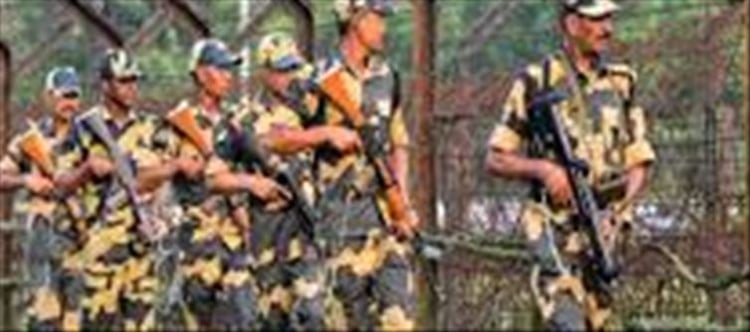

Security forces often operate in very different environments depending on their assignment. Two important types of deployments are Border Outposts (BOPs) and Domestic/Internal Operations. While both aim to maintain national security, their roles, challenges, and working conditions are quite different.
Understanding this difference helps clarify how a country protects itself both from external threats and internal disturbances.
What Are Border Outposts (BOPs)?
Border Outposts are small, strategically located security posts placed along international borders. In India, forces like the Border Security Force (BSF) and Indo-Tibetan Border police (ITBP) manage these posts.
Main Purpose:
- Prevent illegal border crossings
- Stop smuggling and trafficking
- Monitor enemy infiltration
- Maintain territorial security
Key Features of Border Outposts
1. Location
- Situated in remote border areas
- Often in deserts, mountains, forests, or riverine zones
2. Working Conditions
- Harsh weather (extreme cold or heat)
- Limited infrastructure
- High isolation
3. Duties of Personnel
- Patrol border areas
- Guard fencing and checkpoints
- Monitor surveillance systems
- Respond to infiltration attempts
What Are Domestic Operations?
Domestic operations refer to security duties carried out within the country’s internal regions. These are usually handled by forces like the Central Reserve police Force (CRPF) and state police.
Main Purpose:
- Maintain law and order
- Control internal conflicts or riots
- Handle insurgency or terrorism threats
- Support disaster management
Key Features of Domestic Operations
1. Location
- Urban and rural areas inside the country
- Cities, villages, highways, and sensitive regions
2. Working Conditions
- More population exposure
- Rapidly changing situations
- Higher interaction with civilians
3. Duties of Personnel
- Crowd control during protests
- Anti-terror operations
- Security during elections
- Disaster relief operations
Key Differences Between Border Outposts and Domestic Operations
Feature
Border Outposts (BOPs)
Domestic Operations
Location
International borders
Inside the country
Main Role
Protect national boundaries
Maintain internal security
Forces Involved
BSF, ITBP, etc.
CRPF, State Police
Environment
Remote and harsh
Urban/rural populated areas
Threat Type
External infiltration
Internal unrest or terrorism
Interaction with Civilians
Limited
Frequent
Challenges Faced in Border Outposts
- Extreme weather conditions
- Isolation from families
- Difficult terrain
- Limited medical and communication facilities
- High alert for cross-border threats
Challenges in Domestic Operations
- Handling large crowds
- Managing unpredictable violence
- Risk of ambush or urban terrorism
- Pressure during political or social unrest
- Coordination with multiple agencies
Importance of Both Roles
Both Border Outposts and Domestic Operations are essential for national security:
- BOPs protect the country from external threats
- Domestic forces ensure internal peace and stability
Together, they form a complete security system.
Conclusion
Border Outposts and Domestic Operations serve two different but equally important roles. While BOPs focus on defending the nation’s borders under tough physical conditions, domestic operations manage internal safety and public order within the country.
A strong nation depends on both—secure borders and stable internal security.
Disclaimer:
The views and opinions expressed in this article are those of the author and do not necessarily reflect the official policy or position of any agency, organization, employer, or company. All information provided is for general informational purposes only. While every effort has been made to ensure accuracy, we make no representations or warranties of any kind, express or implied, about the completeness, reliability, or suitability of the information contained herein. Readers are advised to verify facts and seek professional advice where necessary. Any reliance placed on such information is strictly at the reader’s own risk.
 click and follow Indiaherald WhatsApp channel