


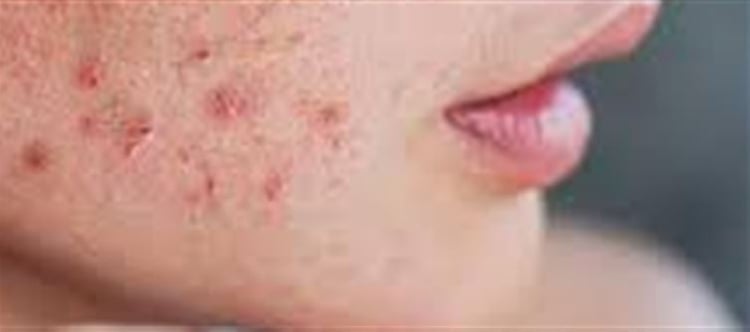

Many people notice that their skin becomes more prone to pimples, redness, or oiliness in the days leading up to their period. This phenomenon, often called pre-menstrual acne, is primarily linked to hormonal fluctuations. Understanding why it happens and how to manage it can help keep your skin clearer and healthier.
What Is Pre-Menstrual Acne?
Pre-menstrual acne refers to breakouts that occur specifically in the week or so before menstruation. These breakouts usually appear on the jawline, chin, and lower cheeks, though they can occur elsewhere on the face.
- Timing: Most breakouts appear 3–10 days before your period and often fade once menstruation begins.
- Symptoms: Pimples may be inflamed, red, or cystic and can be more painful than regular acne.
Why Does Acne Flare Up Before Your Period?
The main reason your skin breaks out before your period is hormonal changes, particularly fluctuations in estrogen, progesterone, and androgen levels.
1. Hormonal Fluctuations
- Estrogen drops just before your period. Estrogen usually helps regulate oil production, so lower levels can increase sebum (oil) in your skin.
- Progesterone rises before menstruation, which can also stimulate oil glands.
- Androgens, male hormones present in everyone, can increase oil production and cause clogged pores.
2. Increased oil Production
Higher levels of progesterone and androgens stimulate sebaceous glands, making your skin oilier. Excess oil can trap dead skin cells in pores, leading to whiteheads, blackheads, or pimples.
3. Inflammation and Skin Sensitivity
Hormonal changes can make your skin more sensitive and prone to inflammation, worsening acne and making existing pimples more noticeable.
4. lifestyle Factors
Other factors can worsen pre-period acne, such as:
- Stress, which increases cortisol, a hormone that may worsen acne
- Diet, particularly high sugar or dairy intake
- Sleep deprivation, which affects hormone balance and skin repair
Common Symptoms of Pre-Period Breakouts
- Red, inflamed pimples on the jawline, chin, and lower cheeks
- Increased skin oiliness
- Painful or cystic pimples
- Occasional small whiteheads or blackheads
How to Manage and Prevent Breakouts
While pre-menstrual acne is common, there are steps you can take to reduce its severity:
1. Maintain a Consistent Skincare Routine
- Use a gentle cleanser twice daily
- Apply non-comedogenic moisturizer
- Include acne-fighting ingredients like salicylic acid or benzoyl peroxide if tolerated
2. watch Your Diet
- Reduce sugar, dairy, and processed foods if they trigger breakouts
- Eat a balanced diet rich in fruits, vegetables, and omega-3 fatty acids
3. Manage Stress
- Practice yoga, meditation, or deep breathing exercises
- Adequate sleep supports hormone balance and skin repair
4. Consider Hormonal Treatments
- For severe or persistent pre-menstrual acne, birth control pills or other hormonal therapies may help regulate hormones and reduce breakouts.
5. Avoid Picking or Squeezing Pimples
- Picking can lead to scarring or infection, making pre-period acne worse
When to See a Dermatologist
Consult a dermatologist if:
- Acne is severe, cystic, or painful
- Over-the-counter treatments don’t help
- Acne causes scarring or emotional distress
A dermatologist can recommend prescription treatments, hormonal therapy, or professional skincare plans.
Conclusion
Breakouts before your period are mainly caused by hormonal changes, particularly the rise in progesterone and drop in estrogen. They are common and usually temporary, but consistent skincare, a healthy lifestyle, and stress management can help minimize flare-ups. For persistent or severe acne, professional guidance ensures your skin stays healthy and clear.
Disclaimer:
The views and opinions expressed in this article are those of the author and do not necessarily reflect the official policy or position of any agency, organization, employer, or company. All information provided is for general informational purposes only. While every effort has been made to ensure accuracy, we make no representations or warranties of any kind, express or implied, about the completeness, reliability, or suitability of the information contained herein. Readers are advised to verify facts and seek professional advice where necessary. Any reliance placed on such information is strictly at the reader’s own risk.
 click and follow Indiaherald WhatsApp channel