
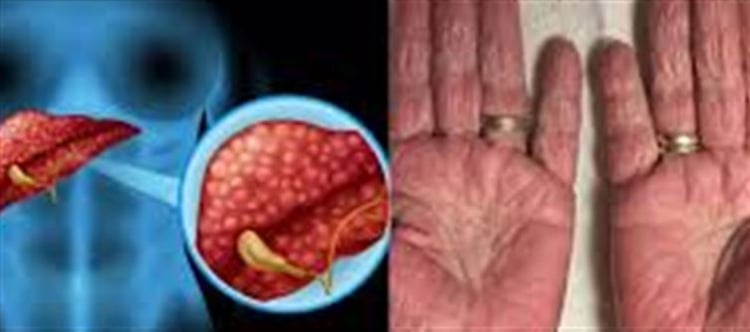


Most people assume liver damage happens only to heavy drinkers — but doctors warn that everyday habits can quietly injure your liver without any obvious symptoms.
The liver is incredibly resilient, but when it’s repeatedly stressed, fat builds up, inflammation begins, and long-term damage can develop silently.
Here are five surprising, sneaky triggers that may be harming your liver without you even realizing it.
1. Too Much sugar — Especially Hidden Sugars
You may not drink alcohol, but fructose (found in sugar, juices, sweets, and packaged foods) is metabolized only by the liver.
When consumed in excess, it is converted directly into fat — leading to fatty liver, one of the fastest-growing liver problems.
Sneaky sources:
· Packaged juices
· Breakfast cereals
· Biscuits & bakery items
· “Healthy” smoothies
· Sweetened tea/coffee
Why it’s dangerous:
Sugar overload can cause fat buildup, inflammation, and long-term scarring.
2. Overuse of Painkillers & Medications
Some common over-the-counter drugs can stress the liver when taken too often or at high doses.
Examples:
· Certain painkillers
· Some fever medicines
· Herbal supplements taken in combination with medications
Why it’s dangerous:
The liver must break these down. Overuse or combining multiple meds increases the risk of toxicity.
(Always follow medical guidance — this is not a replacement for professional advice.)
3. Sitting for Long Hours
A sedentary lifestyle is now a major, underestimated cause of liver fat accumulation.
Why it harms the liver:
· Reduces metabolism
· Increases insulin resistance
· Encourages fat storage around organs
· Slows liver detox processes
Even thin people can develop fatty liver from prolonged sitting.
Quick fix:
Stand up or walk for 2–3 minutes every hour.
4. Too Much Processed Food
Refined oils, preservatives, trans fats, and additives put extra burden on the liver.
Sneaky culprits:
· Fried snacks
· Fast food
· Packaged chips
· Instant noodles
· Processed meats
Why it’s dangerous:
These foods fuel inflammation and raise triglycerides, contributing to liver fat buildup.
5. Sleep Deprivation & Stress
Your liver works hardest at night — repairing, cleansing, and processing nutrients.
Poor sleep disrupts these cycles.
Stress also affects the liver by:
· Increasing cortisol
· Raising fat storage
· Triggering blood sugar spikes
· Slowing detox pathways
Sneaky sign:
You wake up tired even after a “full” night’s sleep.
Why These Factors Are Dangerous: The Silent Threat
Liver damage often shows no symptoms until the condition is advanced.
People may feel normal while underlying issues like fatty liver, inflammation, or toxin buildup worsen gradually.
How to Protect Your Liver (Simple Daily Habits)
✔ Cut down added sugars and packaged foods
✔ Move every hour; walk 10–20 minutes daily
✔ Sleep 7–8 hours consistently
✔ Keep weight and waist circumference in healthy range
✔ Stay hydrated
✔ Use medications only as directed by a healthcare professional
Small improvements can produce powerful results because the liver is one of the only organs capable of regenerating — if given the chance.
Disclaimer:
The views and opinions expressed in this article are those of the author and do not necessarily reflect the official policy or position of any agency, organization, employer, or company. All information provided is for general informational purposes only. While every effort has been made to ensure accuracy, we make no representations or warranties of any kind, express or implied, about the completeness, reliability, or suitability of the information contained herein. Readers are advised to verify facts and seek professional advice where necessary. Any reliance placed on such information is strictly at the reader’s own risk.
 click and follow Indiaherald WhatsApp channel