



Why the Material of a Kettle Matters
The material of your electric kettle affects:
Heating speed & efficiency
Heat retention (how long water stays hot)
Durability & safety
Flavor / taste of hot water / tea
Maintenance & cleaning
Aesthetics — how it looks on your countertop
Choosing the right material is about aligning with your kitchen habits, how you use hot water, and what you value (durability? style? pure taste? energy efficiency?).
Comparing Stainless Steel & Glass Electric Kettles
Here’s a detailed breakdown of both, with pros, cons, and in which scenarios each works best:
1. Heating Speed & Heat Retention
Stainless Steel
Heats up fast because metal is a very good conductor of heat.
Retains heat for a longer time, so boiled water stays warm.
Good if you boil water multiple times or reuse hot water during the day.
Glass
Heats a little slower compared to steel.
Doesn’t retain heat as well, so water cools faster.
Best if you boil just what you need and don’t mind reheating or want to see the boiling process.
2. Durability & Safety
Stainless Steel
Very durable, resistant to drops, dents, and rough use.
But the exterior can get very hot, so be cautious.
Glass
Often made from borosilicate glass, which is strong and heat-resistant. Still more fragile than steel — risk of cracking or chipping if mishandled or in sudden temperature changes.
Ideal for kitchens where you can handle it carefully and want that see-through design.
3. Health, Taste & Reactivity
Stainless Steel
If it's good quality (food-grade), it generally doesn’t leach harmful substances.
However, very low-quality steel or poorly made kettles might sometimes add a slight metallic taste.
Glass
Inert and non-reactive — doesn’t affect the taste of water.
No leaching of metals; many health-conscious users prefer glass for this reason.
4. Cleaning & Maintenance
Stainless Steel
Doesn’t show stains or mineral deposits easily.
But you need to descale periodically, especially if you have hard water.
Pro tip: After boiling, shake out any remaining water and leave lid open to help dry — this prevents rust or water spots
Glass
Transparent body makes it easy to see limescale or residue → you know exactly when to clean.
But glass also shows water rings and calcium buildup clearly, so it may need cleaning more often.
Use gentle cleaners like vinegar or lemon juice to descale without damaging.
5. Aesthetics & Kitchen Fit
Stainless Steel
Sleek, modern, and industrial — blends well with other stainless appliances and professional kitchens.
Usually opaque, so you can’t see inside or watch the water boil.
Glass
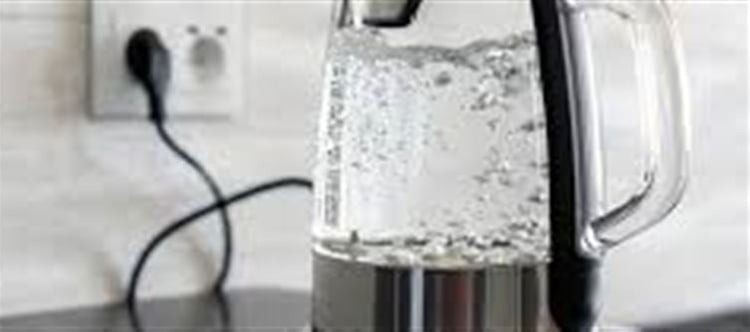
Elegant, minimalist, and visually interesting. Watching water bubble is almost “ritual-like.”
Transparent design helps you monitor water level easily.
6. Energy Efficiency & Practical Use
Stainless Steel
More energy-efficient if you reuse boiled water or keep water warm for a while.
Good choice for daily, frequent use.
Glass
Might use slightly more energy for repeated boiling because water cools faster.
Better suited for “boil-and-use” rituals rather than leaving water sitting inside.
Which One Is Right for Your Kitchen?
Here are a few scenarios to help you decide:
Go for Stainless Steel if you:
Want toughness, durability, and long life
Boil water multiple times during the day
Prefer something low maintenance that hides limescale
Are okay with the kettle body heating up
Choose Glass if you:
Love design and visual appeal — want to see water boil
Prioritize pure taste and material safety
Use your kettle for “just enough” water rather than reheating
Don’t mind handling it carefully and cleaning more frequently
Real-World Product Suggestions
Here are a few kettles you might like, depending on which material you decide on:
Prestige PKOSS Stainless Steel Electric Kettle – A classic stainless steel option, durable and practical.
Kent Elegant Borosilicate Glass Electric Kettle – Stylish and transparent, great for design-focused kitchens.
Pigeon Crystal Glass Electric Kettle – Lightweight, visual clarity, and a simple form.
Final Verdict
Performance: Stainless steel tends to be faster and more efficient.
Safety & Taste: Glass is more inert, giving a cleaner flavor.
Durability: Steel is sturdier; glass needs gentler handling.
Maintenance: Glass gives visual cues; steel is more forgiving.
Look & Feel: Choose based on your kitchen’s style — practical or beautiful.
Bottom Line: There's no one-size-fits-all answer. If you want durability and efficiency, go for stainless steel. If you prefer visual appeal and purity, glass is a compelling choice.
Disclaimer:
The views and opinions expressed in this article are those of the author and do not necessarily reflect the official policy or position of any agency, organization, employer, or company. All information provided is for general informational purposes only. While every effort has been made to ensure accuracy, we make no representations or warranties of any kind, express or implied, about the completeness, reliability, or suitability of the information contained herein. Readers are advised to verify facts and seek professional advice where necessary. Any reliance placed on such information is strictly at the reader’s own risk.
 click and follow Indiaherald WhatsApp channel