


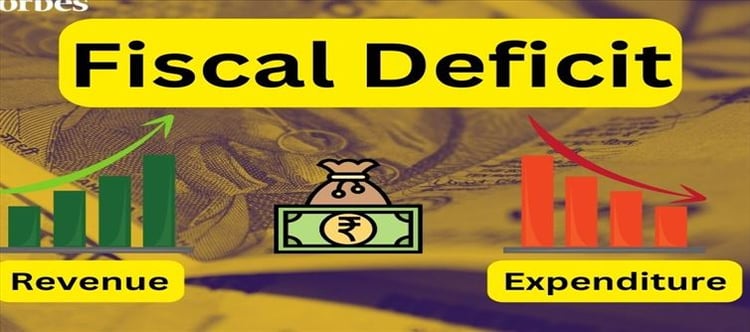

The point of concern is its fiscal deficit and dated securities, long term bonds. These will have to be paid this year. Although technically the fiscal deficit has come down to 5.1 per cent from 5.8 per cent last year, the gross and net borrowing through dated securities will be Rs 14.25 and Rs 11.75 lakh crore, respectively. The total external and internal debt will increase by Rs 168.72 lakh crore to Rs 183.67 lakh crore on march 31, 2024. The outstanding debt has increased by Rs 15 lakh crore, due to which the interest liabilities have increased to Rs 11,90,440 lakh crore. This is 25 percent of the budget. An interesting thing is that technically from the economic point of view the Finance minister is right. Debt is considered income and increases GDP!
It is also true that the Finance Ministry has never gone back from its repayment commitments till now. Yet the debt burden appears to be greater than the revenue income. The Finance minister has cut subsidies worth Rs 32,000 crore on food, fertilizers and petroleum. Food subsidies have been cut amid rising minimum support prices. This depends on the reduction in the number of beneficiaries after Aadhaar linkage.
However, the allocation of MNREGA has been increased from Rs 60000 crore to Rs 86000 crore for the current financial year. Their share in revenue to the states is Rs 22.22 lakh crore. The budget for interest payment liability has been kept at Rs 11.90 lakh crore, which is 10.18 percent more than 2023-24. Innovation funding can be reviewed in the form of interest free loans for 50 years. The time frame is very long, although this may give a psychological edge.
 click and follow Indiaherald WhatsApp channel