


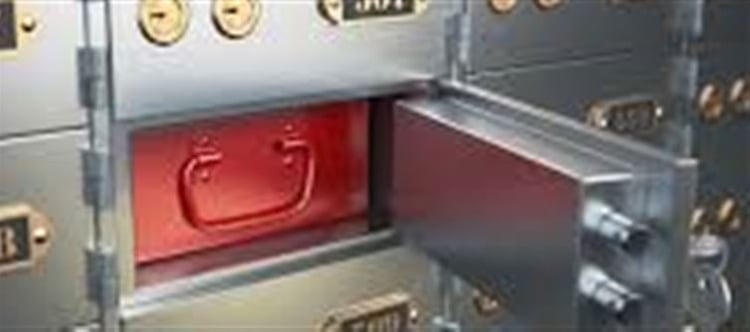

Losing a bank locker key can be stressful, but there’s no need to panic. Banks have a standardized process to help you access your locker safely while ensuring security. Here’s a complete guide on what to do if your locker key is lost.
1. Stay Calm and Inform the bank Immediately
- As soon as you realize the key is lost, visit your bank branch.
- Inform the branch manager or the locker department about the situation.
- Never attempt to open the locker yourself — it’s illegal and unsafe.
2. Understand the Bank’s Policy
Banks have strict security measures to prevent unauthorized access.
- Most banks require both keys to open a locker: your personal key and the bank’s master key.
- If you’ve lost your key, the bank cannot open the locker without following formal procedures, which usually involve breaking the locker open in your presence.
3. Submit a Written Request
- Fill out a locker key loss form provided by the bank.
- You may need to attach:
- Locker account details
- Identity proof (PAN card, Aadhaar, Passport, etc.)
- Recent bank passbook or locker agreement copy
This formal request ensures that the bank has documented your loss and protects you from liability.
4. Locker Drilling Procedure
If the key is lost, banks typically follow this process:
Verification: bank staff verify your identity and confirm your locker ownership.
Authorization: Branch manager approves the request to drill open the locker.
Witness: You are usually asked to be present during locker drilling.
Replacement Key: After opening, the bank may replace the locker lock with a new set of keys.
Charges: Banks usually charge a locker key replacement fee (varies by bank).
Note: Drilling ensures security of your valuables and prevents misuse of the lost key.
5. Collecting Your Locker Items
- Once the locker is opened, check your valuables in the presence of bank officials.
- Ensure all items are intact before leaving the branch.
- The bank may ask you to sign a release form confirming that you’ve received your belongings.
6. Preventive Measures for the Future
- Always store a spare key in a safe location (like a home safe or a trusted family member).
- Avoid writing the locker number and key location together.
- Consider locker insurance for high-value items.
- Keep the locker agreement and key copy safely for emergencies.
7. Charges and Timelines
- Charges for key replacement and drilling vary by bank but usually range between ₹1,000–₹3,000.
- The process can take 2–5 working days depending on the branch and availability of staff.
8. Quick Checklist
If you lose your locker key:
Inform the bank immediately.
Submit a written application with ID proof.
Attend the locker drilling process.
Collect your valuables and get a new key.
Follow preventive steps to avoid future losses.
Conclusion
Losing a bank locker key is stressful but resolvable. Banks follow strict security protocols to protect your assets, and by following the steps carefully, you can regain access safely and efficiently.
💡 Pro Tip: Always keep emergency contacts of your branch and never share locker details or spare keys with unauthorized persons.
Disclaimer:
The views and opinions expressed in this article are those of the author and do not necessarily reflect the official policy or position of any agency, organization, employer, or company. All information provided is for general informational purposes only. While every effort has been made to ensure accuracy, we make no representations or warranties of any kind, express or implied, about the completeness, reliability, or suitability of the information contained herein. Readers are advised to verify facts and seek professional advice where necessary. Any reliance placed on such information is strictly at the reader’s own risk.
 click and follow Indiaherald WhatsApp channel