


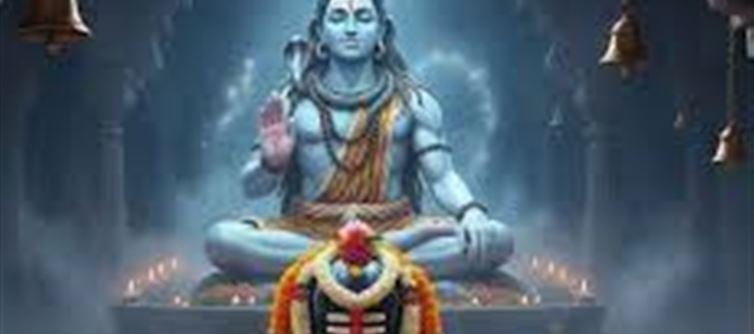

📅 When is maha shivratri in 2026?
In 2026, Maha Shivratri will be observed on Sunday, 15 february 2026 according to the Hindu lunar calendar.
🌙 Tithi and Timing
- The Chaturdashi Tithi — the 14th lunar day of the Krishna Paksha in the Phalguna (Magha/Phalguna) month — begins on 15 february (evening) and ends on 16 february (evening).
- Maha Shivratri night worship (Jagaran) is usually observed during the night of 15 February, with the most auspicious period around midnight (Nishita Kaal) in the early hours of 16 February.
- The fast (vrat) is commonly observed on 15 February and broken (Parana) after sunrise on 16 February.
🕉️ What Is maha Shivratri?
Maha Shivratri literally means “The Great Night of Shiva.” It is one of the most important Hindu festivals, celebrated with devotion by millions of devotees across india and the world.
Unlike festivals celebrated during the day, maha Shivratri’s core observances take place at night — with prayers, music, chants, and meditation dedicated to Lord Shiva.
📜 History and Legends
🔹 1. Shiva’s Cosmic Acts
One of the most told legends associated with maha shivratri is about the Samudra Manthan (Churning of the Ocean). During this event, a deadly poison called Halahala emerged, threatening the universe. To protect creation, Lord shiva consumed the poison, which turned his throat blue — earning him the name Neelkantha. Devotees honor this supreme sacrifice on maha Shivratri.
🔹 2. Divine marriage of shiva and Parvati
Many traditions also hold that Lord shiva married Goddess Parvati on this night, symbolizing the union of consciousness (Shiva) and energy (Shakti) — the cosmic balance of life.
🔹 3. Manifestation of shiva (Lingodbhava)
Another sacred story says shiva manifested as an infinite pillar of light (Lingodbhava), revealing his boundless nature beyond all forms. Worshipping the shiva Lingam on this night is believed to bring inner awakening.
🛕 Why maha shivratri Is Significant
🌟 Spiritual Significance
- Night of divine awakening: Staying awake all night (Jagaran) symbolizes vigilance and devotion, helping devotees transcend physical and mental barriers.
- Inner transformation: Fasting and meditation on this night are believed to balance one’s inner energy and purify the mind and soul.
- Blessings and liberation: Many devotees believe that sincere worship can bring peace, fulfillment of spiritual goals, and even liberation (moksha).
🪔 Symbolism
- Shiva is the destroyer of ignorance and the transformer of life. maha shivratri celebrates his role as the cosmic force that dissolves illusions and restores awareness.
- The festival also underscores the union of masculine and feminine energies, representing life’s full creative potential.
🙏 Rituals and Traditions
🕯️ Fasting (Vrat)
Devotees observe a strict fast from sunrise to the next morning, sometimes taking only water or fruits. The fast is believed to strengthen self-discipline and spiritual focus.
🔔 Night Vigil (Jagaran)
Staying awake through the night with chants like “Om Namah Shivaya” and singing bhajans or performing meditation is central to the celebration.
🛕 Shiva Lingam Worship
Shiva Lingams in temples and homes are bathed (Abhishek) with water, milk, honey, curd, and bilva leaves — offerings that honor Shiva’s divine form.
🕉️ Four Prahar Pujas
The night is traditionally divided into four segments (prahar), each marked with special prayers and rituals that are believed to confer varied spiritual benefits.
🌌 Conclusion
Maha Shivratri 2026, observed on 15 february (evening) to 16 february (evening), is a powerful night devoted to Lord Shiva. Through fasting, night-long worship, sacred rituals, and deep prayer, devotees seek inner peace, spiritual strength, and divine grace. It is a celebration of cosmic balance, introspection, and purification — honoring the destroyer of ignorance and the source of ultimate consciousness.
Disclaimer:
The views and opinions expressed in this article are those of the author and do not necessarily reflect the official policy or position of any agency, organization, employer, or company. All information provided is for general informational purposes only. While every effort has been made to ensure accuracy, we make no representations or warranties of any kind, express or implied, about the completeness, reliability, or suitability of the information contained herein. Readers are advised to verify facts and seek professional advice where necessary. Any reliance placed on such information is strictly at the reader’s own risk.
 click and follow Indiaherald WhatsApp channel