


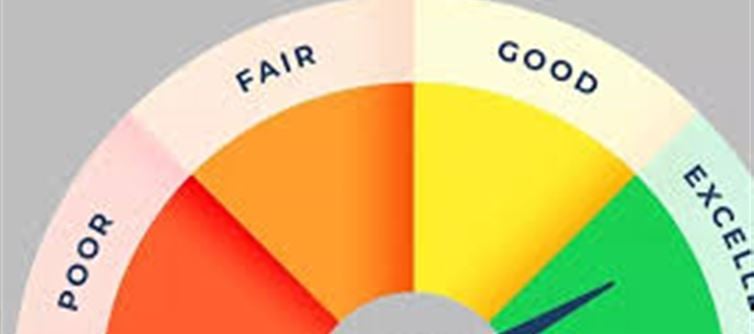

If you’re planning to take a home loan, car loan, or personal loan, your CIBIL Score plays a crucial role. This three-digit number, ranging from 300 to 900, reflects your creditworthiness and tells banks whether you are a reliable borrower. Understanding this score can increase your chances of approval and help you avoid rejection.
📌 What Is a CIBIL Score?
· The CIBIL Score is calculated by TransUnion CIBIL based on your credit history, including loan repayments, credit card usage, defaults, and outstanding debts.
· A higher score indicates better financial discipline and lower risk for banks.
· Lenders use this score to decide loan eligibility, interest rates, and loan limits.
💡 CIBIL Score Ranges and Loan Approval
CIBIL Score
Likely Outcome with Banks
750 – 900
Excellent: Banks are very likely to approve loans immediately at favorable interest rates.
700 – 749
Good: Banks may approve loans, though interest rates may be slightly higher.
650 – 699
Fair: Loan approval depends on other factors like income, employment stability, and existing debts.
600 – 649
Poor: Loan may be denied or approved with high interest rates and additional security.
Below 600
Very Poor: Banks usually reject loan applications due to high credit risk.
Tip: Some banks may offer loans to scores below 600 only with collateral or a co-applicant.
📌 Factors That Affect Your CIBIL Score
1. Timely Repayment: Consistently paying EMIs and credit card bills on time boosts your score.
2. Credit Utilization Ratio: Using less than 30–40% of your available credit limit helps maintain a good score.
3. Credit history Length: Longer credit history shows reliability.
4. Recent Credit Inquiries: Multiple loan or credit card applications in a short period can lower your score.
5. Defaults or Late Payments: Missed or delayed payments significantly reduce your score.
💡 Tips to Improve Your CIBIL Score Before Applying for a Loan
· Pay off overdue EMIs and credit card bills promptly.
· Keep credit utilization low and avoid maxing out cards.
· Avoid multiple loan applications in a short period.
· Monitor your credit report regularly for errors and dispute them if necessary.
· Maintain a mix of secured and unsecured credit responsibly.
📌 Final Thoughts
Your CIBIL Score is a key determinant of loan approval and interest rates. A score above 750 gives you the best chance of instant approval, while scores below 650 may face rejection or stricter terms. By tracking and improving your score, you can increase your chances of securing a loan at favorable conditions.
Disclaimer:
The views and opinions expressed in this article are those of the author and do not necessarily reflect the official policy or position of any agency, organization, employer, or company. All information provided is for general informational purposes only. While every effort has been made to ensure accuracy, we make no representations or warranties of any kind, express or implied, about the completeness, reliability, or suitability of the information contained herein. Readers are advised to verify facts and seek professional advice where necessary. Any reliance placed on such information is strictly at the reader’s own risk..jpg)
 click and follow Indiaherald WhatsApp channel