


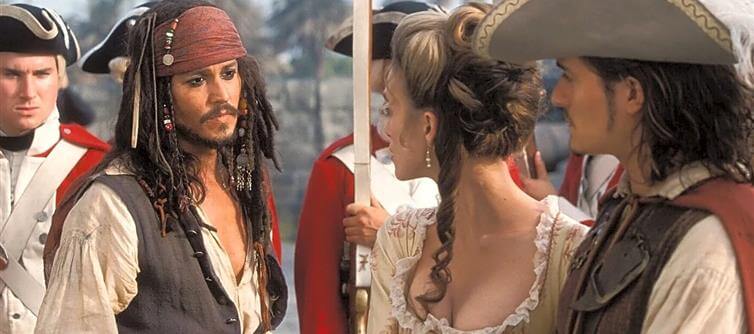

As Disney quietly continues to chart the future of Pirates of the Caribbean, the man who defined its identity has drawn a clear emotional boundary. Gore Verbinski, the filmmaker who transformed a theme-park ride into one of the most iconic blockbuster sagas of the 21st century, has spoken candidly about why some chapters are meant to end — even when the brand refuses to.
This isn’t bitterness. It’s something far rarer in Hollywood: creative closure.
1. A Franchise Forged, Not Factory-Made.
Verbinski didn’t just direct Pirates of the Caribbean — he invented its cinematic language. With The Curse of the Black Pearl, Dead Man’s Chest, and At World’s End, he helped redefine what a summer blockbuster could look, sound, and feel like.
2. Knowing When the Danger Is Gone.
Verbinski’s core philosophy is brutally simple: once you fully understand how to make something, it stops being exciting. For him, filmmaking needs risk. Repetition kills curiosity. Familiarity drains danger. And without danger, cinema becomes mechanical.
3. Three Films, Everything Given.
By his own account, the first three films weren’t just productions — they were laboratories. Places to experiment, learn, push technical limits, and challenge storytelling norms. When that learning curve flattened, so did his interest.
4. Franchises Don’t End — Artists Do.
Verbinski is clear-eyed about reality: franchises live forever. Directors don’t. Time is finite. Creative energy is finite. He chooses to spend it where uncertainty still exists — not where muscle memory takes over.
5. Walking Away Isn’t Rejection — It’s Respect.
There’s no bitterness in his words, only acceptance. He doesn’t dismiss the world of Pirates. In fact, he believes it’s vast enough to support endless new stories. His departure isn’t a condemnation — it’s a passing of the torch.
6. The Unspoken Subtext: Hollywood’s Addiction to Comfort.
Verbinski’s comments quietly indict modern franchise culture. Studios want familiarity. Audiences are sold nostalgia. But artists thrive on the edge of failure — not the safety of repetition.
7. The Impossible Standard He Set.
What makes his exit sting is this: the original trilogy wasn’t just commercially successful — it was technically and visually revolutionary. Practical effects blended with early CGI in ways that still hold up. Characters were eccentric, risky, and weird by blockbuster standards.
8. The Ship Sails On — Without Its Navigator.
While Jerry Bruckheimer has confirmed that new scripts are circulating and development continues, Verbinski’s absence underscores a hard truth: continuation is easy; recreation is not.
Final Word
Gore Verbinski didn’t abandon Pirates of the Caribbean.
He finished his story.
In an industry obsessed with sequels, spinoffs, and cinematic universes, his stance feels almost rebellious. Knowing when to leave isn’t weakness — it’s authorship. And as Disney sails forward with the franchise, one thing is certain:
You can keep the ship.
But the compass that once guided it has moved on.
 click and follow Indiaherald WhatsApp channel