


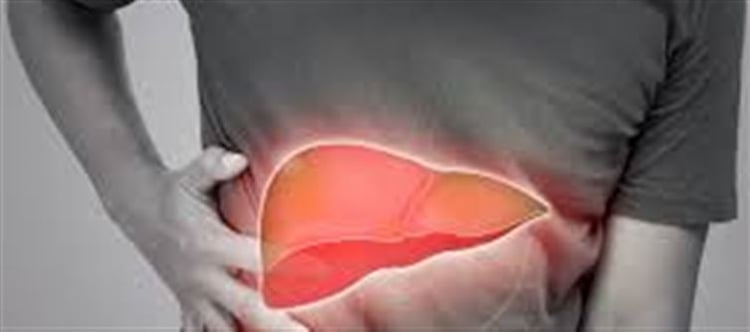

Fatty liver disease is often called a silent killer because it can develop quietly, showing few or no symptoms in the early stages. If left unchecked, it can progress to liver inflammation, fibrosis, or even cirrhosis, putting your overall health at risk.
Recognizing the warning signs early is crucial. Experts say that awareness and timely action can prevent serious liver damage.
⚠️ Early Signs of Fatty Liver
Fatigue and Weakness
Feeling unusually tired or lethargic, even with adequate rest, can signal early liver stress.
Abdominal Discomfort
Mild pain or a feeling of fullness in the upper right abdomen may indicate liver fat accumulation.
Unexplained Weight Gain
Especially around the belly, this can be a subtle sign of metabolic changes affecting the liver.
Poor Appetite or Nausea
Digestive discomfort or a reduced appetite can appear when liver function begins to decline.
⚠️ Advanced Signs of Fatty Liver
Yellowing of Skin or Eyes (Jaundice)
Indicates liver function is compromised and bile processing is affected.
Swelling in Abdomen and Legs
Fluid retention (edema or ascites) can signal worsening liver health.
Dark Urine and Pale Stools
Changes in urine or stool color may reflect impaired liver detoxification.
Mental Fog or Confusion
In advanced stages, liver dysfunction can lead to toxin buildup affecting brain function.
💡 Expert Recommendations to Protect Your Liver
Maintain a healthy diet: Focus on vegetables, fruits, whole grains, lean protein, and healthy fats.
Exercise regularly: At least 30 minutes of moderate activity most days supports liver health.
Limit alcohol and processed foods: Both contribute to liver fat accumulation.
Regular screenings: Liver function tests can detect early abnormalities before symptoms appear.
Manage underlying conditions: Diabetes, high cholesterol, and obesity increase fatty liver risk.
🔥 Bottom Line
Fatty liver often progresses silently, but early detection can prevent serious complications. By recognizing both early and advanced warning signs and adopting liver-friendly habits, you can protect this vital organ and maintain long-term health.
Disclaimer:
The views and opinions expressed in this article are those of the author and do not necessarily reflect the official policy or position of any agency, organization, employer, or company. All information provided is for general informational purposes only. While every effort has been made to ensure accuracy, we make no representations or warranties of any kind, express or implied, about the completeness, reliability, or suitability of the information contained herein. Readers are advised to verify facts and seek professional advice where necessary. Any reliance placed on such information is strictly at the reader’s own risk.
 click and follow Indiaherald WhatsApp channel