


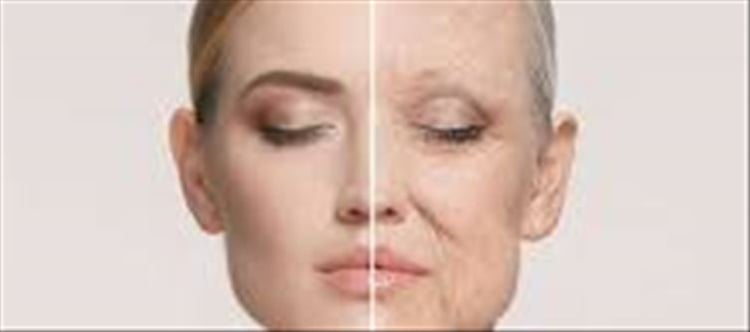

Yes—regular or heavy alcohol consumption can accelerate skin aging, and dermatology experts widely agree on this. While an occasional drink may not cause visible long-term damage, frequent intake affects hydration, collagen, and overall skin health.
🍷 How Alcohol Affects the Skin
Alcohol impacts the body in multiple ways that show up on the skin over time.
💧 1. Causes Dehydration
Alcohol is a diuretic, meaning it increases fluid loss.
- Skin becomes dry and dull
- Fine lines appear more visible
- Loss of natural glow
Dehydration is one of the fastest ways alcohol affects appearance.
🧬 2. Breaks Down Collagen
Collagen keeps skin firm and youthful.
- Alcohol increases oxidative stress
- Reduces collagen production
- Leads to sagging and wrinkles over time
😴 3. Disturbs Sleep (Beauty Sleep)
Poor sleep quality after drinking affects skin repair.
- Slower cell regeneration
- Puffy eyes and dark circles
- Tired-looking skin
🔥 4. Triggers Inflammation
Alcohol can increase inflammation in the body.
- Redness and blotchiness
- Worsening of acne or skin conditions like rosacea
- Uneven skin tone
🧪 5. Weakens Skin Barrier
Over time, alcohol weakens the skin’s protective layer.
- More sensitivity
- Increased dryness
- Higher risk of irritation
🧠 6. Speeds Up Visible Aging
Combined effects lead to:
- Premature wrinkles
- Loss of elasticity
- Dull, aged appearance
⚠️ What Experts Recommend
Dermatologists suggest:
- Limit alcohol intake
- Drink plenty of water if consuming alcohol
- Follow a good skincare routine (moisturizing + sunscreen)
- Avoid binge drinking
🧾 Final Verdict
Yes, Alcohol can speed up skin aging when consumed regularly or in excess. The main reasons are dehydration, collagen loss, inflammation, and poor sleep quality.
Disclaimer:
The views and opinions expressed in this article are those of the author and do not necessarily reflect the official policy or position of any agency, organization, employer, or company. All information provided is for general informational purposes only. While every effort has been made to ensure accuracy, we make no representations or warranties of any kind, express or implied, about the completeness, reliability, or suitability of the information contained herein. Readers are advised to verify facts and seek professional advice where necessary. Any reliance placed on such information is strictly at the reader’s own risk.
 click and follow Indiaherald WhatsApp channel