


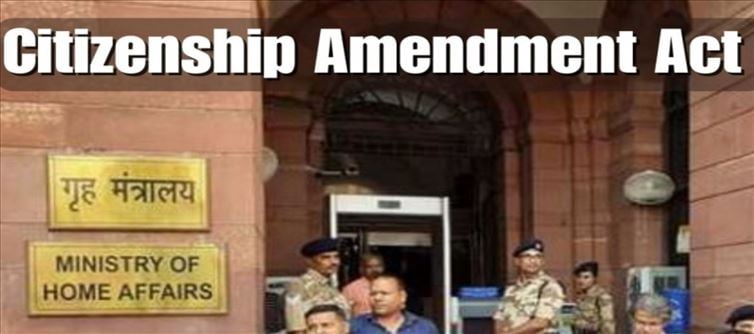

Reportedly the citizenship amendment act, or the caa, has always been a high-stakes topic in West bengal and assam, but multiple surveys by the central government and the bjp stressed on the necessity of its implementation. It is likely to play a crucial role in at least eight lok sabha seats in West bengal, indicating why the narendra Modi-led government notified the law ahead of the general elections.
Four years after the citizenship bill was placed in parliament in december 2019, the Centre notified the long-pending caa on Monday. The legislation was put on hold following massive protests across the country, primarily in West bengal, assam and Uttar Pradesh.
While West bengal chief minister Mamata Banerjee called the caa implementation to be serving the BJP’s “political interest”, sources in the ministry of home affairs (MHA) and central agencies told News18 that the decision came after extensive surveys across Bengal’s border districts and other states with international borders. At the same time, several units of the bjp that worked with Bangladeshi Hindu communities Matua and Rajbanshi submitted their reports explaining the need for the CAA’s implementation and the high stakes in West Bengal.
The most important factors include Matuas in south bengal and Rajbanshis as well as Namasudras in north Bengal. The bjp said it might lose out on votes by other backward classes and scheduled castes if the caa is not implemented as was promised in the 2019 election manifesto. “This was long due. The caa was a promise in the BJP’s election manifesto in 2019. The implementation establishes that the government at the Centre does not backtrack on its promises,” said senior adviser Kanchan Gupta from the ministry of information and broadcasting. In January, Banerjee spearheaded a movement protesting the caa and the proposed National Register of Citizens (NRC), stating they were “discriminatory” and isolated the Muslim community.
 click and follow Indiaherald WhatsApp channel